Infectious Diseases of the Mouth
11.2.3 Infectious Diseases of the Mouth Wooden Tongue and Lumpy Jaw These are two separate, chronic diseases. They occur mainly in cattle, but are also seen in sheep and goats. Both of these diseases cause problems with chewing and swallowing.
Wooden tongue is caused by a bacterium called Actinobacillus. The bacteria enter through a small wound in the surface of the tongue. For instance, grass with sharp seeds may cause wounds on the tongue of livestock. These wounds can then become infected with Actinobacillus and the tongue becomes hard and swollen - like a piece of wood.
Lumpy Jaw is also caused by a bacterium. This bacterium is called Actinomyces. The bacteria enter through wounds in the gums, and affect the bones in the jaws of the animals. These wounds may then develop into bumps which have pus in them.
Symptoms: The animal finds it difficult to chew its food and swallow. The tongue or jaw becomes very swollen, and the animal becomes thin because it cannot eat properly.
Diagnosis: Based on the symptoms.
Treatment:
Animals with Wooden Tongue make amazing, quick recoveries when treated with sodium iodide. For an average cow, give 125 ml of 20 percent sodium iodide, intravenously. If sodium iodide is not available, treat with combined pen-strep injections, or with penicillin injections, for approximately one week.
Animals with Lumpy Jaw often do not respond well to treatment, and often require a long course of treatment with antibiotics and sodium iodide. Unless the animal is very valuable, it is better to consider selling it for meat.
Orf This condition is also called Contagious Ecthyma or Sore Mouth. It is an acute viral disease of sheep and goats. Usually young animals are affected.
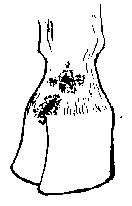
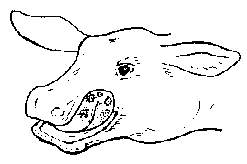
Symptoms: Sores develop on the skin of the lips, and may extend into the mouth. The sores may develop pus in them. Affected animals often stop eating, and saliva drools from the mouth. Sores may also develop on the feet, near the coronary band. These sores cause the animals to limp. Young animals are more often affected (since older animals are usually more immune). It is contagious, so many young animals in contact are often affected at the same time.
Diagnosis: Based on symptoms
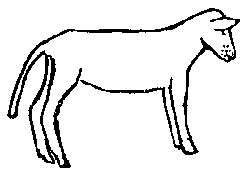
Treatment: The animals usually recover well without treatment, but young animals may need to be coaxed to eat. If sores are severe, then wash out the mouth with an antiseptic like potassium permanganate solution. If the sores become infected and filled with pus, give penicillin injections. Gentian Violet or antibiotic/fly ointments work well when applied to sores on the lips.
Note: An AHA should wear gloves because Orf can also spread to people.
Foot and Mouth Disease
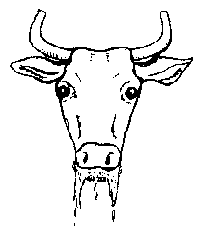
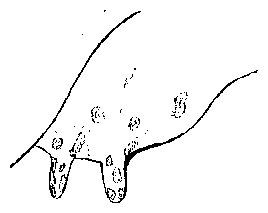
This is a disease of ruminants and pigs. It may cause sores in the mouth which prevent livestock from eating properly. It also causes animals to develop sores near the feet, so they become lame and unable to walk properly. See pages 49, 51, 223.