Definitions
6.0 Infectious Diseases: Prevention & Control 6.1 DEFINITIONS Infectious disease: A disease caused by living organisms such as bacteria, fungi, parasites, protozoa, and viruses.
Infection: Occurs when living organisms enter the body, reproduce, and cause damage.
Contagious: When disease is spread directly between animals.
Non-contagious: Does not spread directly.
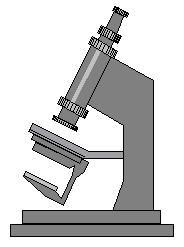
Micro-organisms: Living organisms too small to be seen without a special instrument called a "microscope.” Micro-organisms may or may not cause disease.
Germs: Another word for micro-organisms that cause disease.
Microscope: An instrument that makes tiny things look larger.
Bacteria: Tiny, one-celled organisms that can usually be killed by antibiotics. Examples of bacterial infections include anthrax, hemorrhagic septicemia, erysipelas, and most cases of mastitis and metritis.
Viruses: Micro-organisms smaller than bacteria. There are no safe, effective, readily available medicines to kill viruses once they enter the body and multiply within cells. Antibiotics do not kill viruses! The body's own defenses must fight the virus. Examples of serious viral infections are equine infectious anemia, foot & mouth disease, hog cholera, Newcastle disease, and rinderpest. Correct treatment for viral diseases includes treating severe symptoms and providing good supportive care. Some viruses (like EIA) survive in infected animals for long periods of time. It is often best to destroy animals carrying chronic virus infections so they are not a source of infection for healthy animals.
Fungi: Micro-organisms that most commonly infect the skin. Antibiotics do not kill fungi and may even make the fungal infection worse. Anti-fungal drugs are needed to treat severe fungal infections.
Protozoa: One-celled micro-organisms often classified as internal parasites. Ticks and biting flies may carry certain protozoa and spread these protozoa while feeding on other animals. Treatment of infections caused by protozoa requires special drugs. Examples of protozoal infections include anaplasmosis, Babesiosis, coccidiosis, theileriosis ("East Coast Fever") and trypanosomiasis.
Internal & external parasites: Organisms that live in or on an animal and cause harm to it. Parasites can be large and easy to see like roundworms or ticks; or they can be small and difficult, or impossible to see, like mites and protozoa.