Mites
8.6 MITES
Adult mites are very small and have eight legs. It is hard to see a mite clearly without the use of either a microscope or a magnifying glass. In livestock, mites cause a disease called, “mange.” Mange is a common skin problem of sheep, goats, buffalo, cattle, pigs, rabbits, camels, llamas, and alpacas.
People also have their own kind of mites that cause a disease called “scabies,” that is common in young children. Occasionally people who handle animals with mange become infested with the mites from animals. This causes only temporary itching and discomfort because livestock mites live on people for only a short time.
Mites burrow into the skin and cause severe irritation and itching. One particular type of mite in sheep causes bad itching and scab formation. The infested animals become very thin and weak. This disease is commonly called “scab.” It is very infectious and dangerous, and can spread to cattle and other animals. If an AHA suspects “scab,” they should report it to the local veterinary authorities.
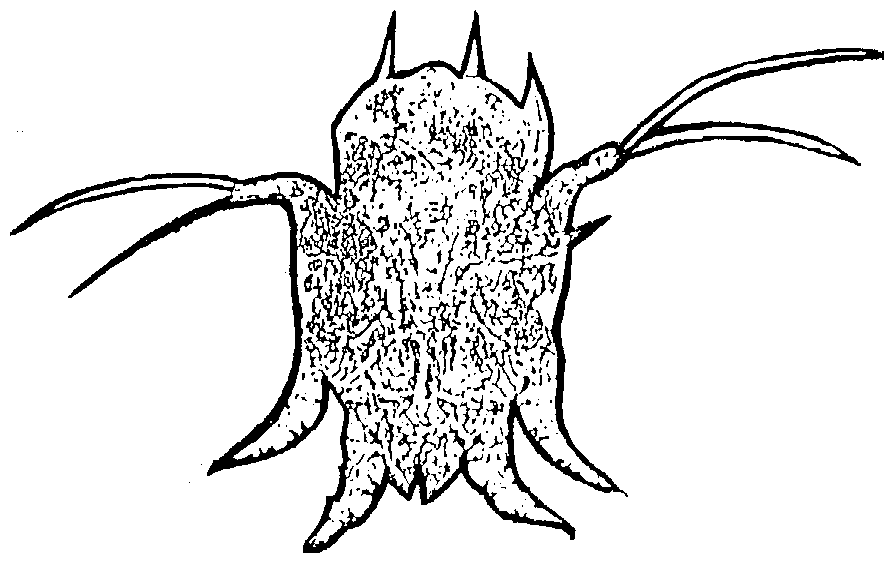
Common Mange Mite Lifecycle of Mites: Adult mites live on the skin, and in the skin. They burrow into the skin and reproduce there. Mites often spread from one animal to another when the animals touch each other. They may also be spread through grooming equipment or harnesses used by both mangy and non-infested animals.
Symptoms / Diagnosis:
Type One Mange: Itching, scratching, and damage to skin, wool, and hair are seen. If an animal does not respond to treatment for mange, a trained technician should scrape the skin and examine the scrapings using a microscope. If the animal has mange, mites should be visible in the scrapings.
Type Two Mange: There is also a type of mange that is not as itchy. It is called “demodectic mange.” It often starts on the head, shoulders and neck. Small bumps develop and they contain thick, greasy material, and sometimes pus. The skin becomes thick and forms heavy folds. The animals may get better on their own. This type of mange is almost impossible to treat successfully. Microscopic examination of the material from the bumps should show the demodectic mites.
Treatment / Control: As mentioned above, demodectic mange is very difficult to treat. Any animal with any type of mange should be washed well with soap and water. If the wounds are already infected, the animal may also need an antibiotic injection. Long-acting penicillin (benzathine penicillin) or amoxacillin are often effective against skin infections. Several methods can be used to kill the mites causing the mange.
Sulfur ointment can be made from one part sulfur powder mixed with ten parts of cooking oil or giu. This mixture must be rubbed into the wounds at least once a week for four or five weeks. This is very safe and easy to use.
Motor oil is quite effective for pigs and buffalo/calves. Used motor oil can be applied in small amounts and rubbed into the affected areas at the beginning of an infestation. Do not apply used motor oil to large, infected wounds because it may contain harmful chemicals that could poison the animal. As with sulfur ointment, it should be used weekly for four or five weeks.
Benzyl Benzoate is very good for ear mites in rabbits. After cleaning with disinfectant water, several drops of medicine can be put into the ear; and the ear should be massaged. This should be repeated at least once a week for four or five weeks. Some people treat all their rabbits regularly to prevent this problem.
Cythion, Malathion or other pesticides. Follow the label carefully.
Ivermectin can also be used for some types of mange, but it is quite expensive.