What To Do In The Case Of A Disease Outbreak?
4.2 WHAT TO DO IN THE CASE OF A DISEASE OUTBREAK??
The occurrence of an unusually large number sick animals is called a disease "outbreak." Large outbreaks of disease are often called "epizootics" or "epidemics." When outbreaks occur, "control measures" should be taken prevent further spread.
Isolate Sick Animals
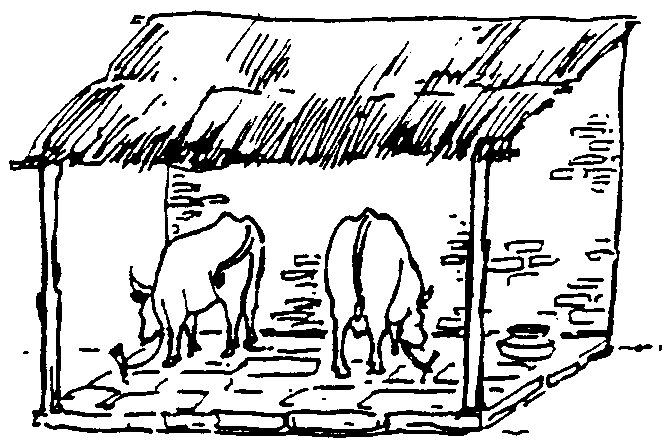
First, separate sick animals as well as their urine, manure and bedding from healthy animals. Do not let people or animals contact sick animals and then go to healthy ones. This is called "isolation." See page 95.
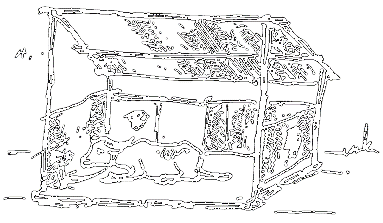
Visit Area Affected and Examine Animals Investigate the epidemic. Where and when did it start? Were new animals brought into the area? Where did they come from? What are the initial symptoms, age, sex, species and breed of animals affected? How many animals are affected? If possible, do physical exams on several sick animals. Make careful notes.
Notify The Ministry of Agriculture Inform the Department of Veterinary Services of your findings. Depending upon the situation, they may want to take over the investigation. If so, the animal health agent should co-operate fully with the Ministry's actions. If the disease threatens peoples' health, the Ministry of Health must be informed.
Confirm The Diagnosis If possible, confirm the diagnosis. This may require laboratory specimens and special supplies. If the laboratory or Ministry request specimens, ask exactly which specimens and how they should be taken. Someone with special training may need to do this.
Properly Manage Sick and Healthy Animals Decide how sick and healthy animals in the area should be managed. If there is a large epizootic, these decisions should be made at the central or intermediate level of the Ministry of Agriculture. In the case of a small epizootic, if the central or intermediate level does not act, authorities from the local level should decide what to do. The animal health agent may have to meet with local leaders to enlist their support in controlling the epidemic. Decisions about treatment should be based on the ease of use and price of available medicines, as well as the value and number of affected animals. If there is not enough medicine, difficult decisions must be made regarding which animals to treat.