Treatment of Fresh Wounds
14.2 TREATMENT of Fresh Wounds 1) Properly restrain the animal, being careful to avoid any further injury.
1) Control any excessive bleeding. See page 78.
1) Examine the animal to make sure there is nothing else wrong with it, that there are no other wounds, and that there are no fractures at the site of the wound.
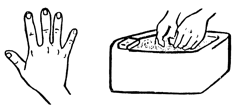
1) Wash your hands with clean water and soap.
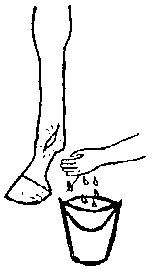
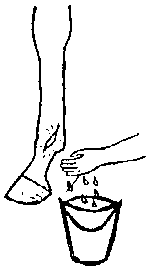
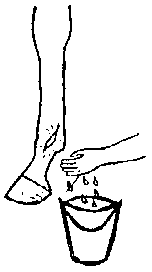
1) Wash the wound with clean water and soap.
1) If possible, cut or shave the hair around the wound. Remove any dirt, stones, twigs, straw, hair, or other foreign material from the wound.
1) Rinse the wound with a dilute antiseptic solution such as potassium permanganate, Savlon, iodine, bleach, or regular soap. Do not use concentrated solutions since they may damage the wound further and delay healing.
1) Decide if the wound should be sutured (see page 214 on criteria to suture a wound). Remember that almost any wound will heal without suturing. However, the advantage of suturing is faster healing and less disfigurement.
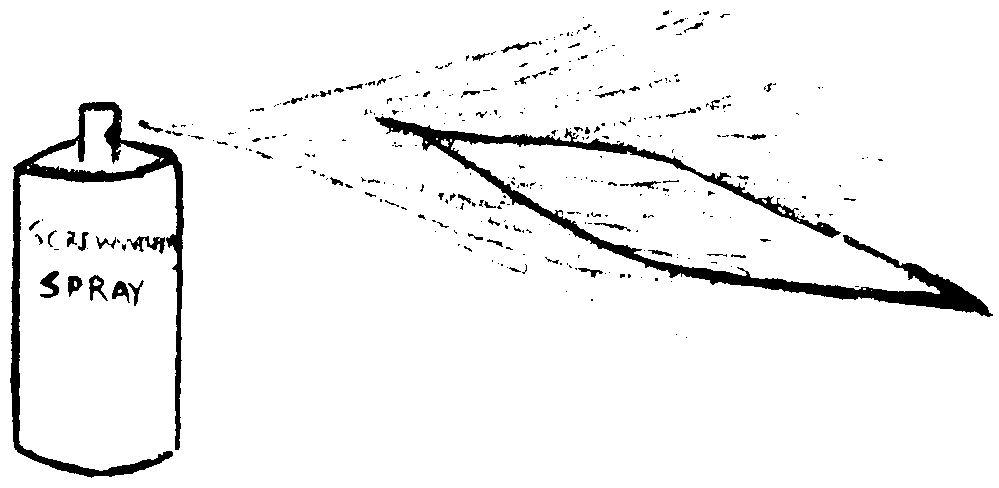
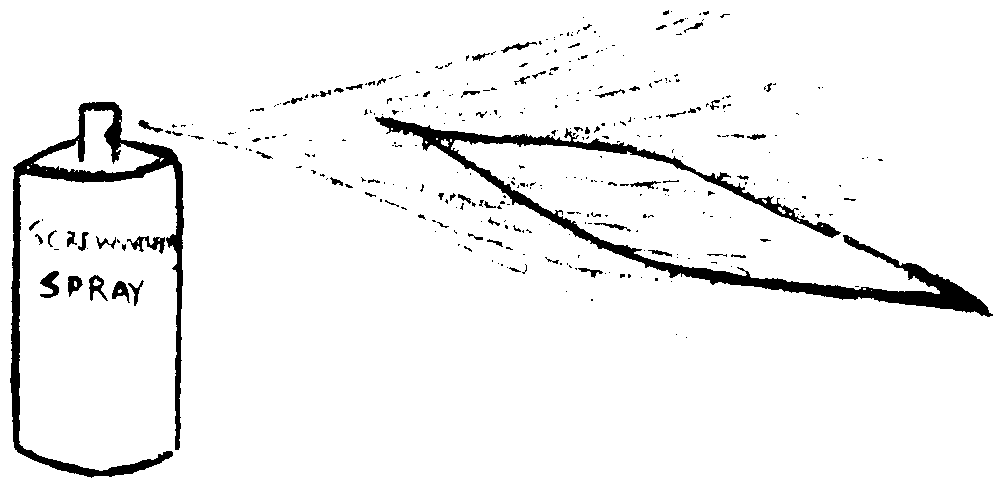
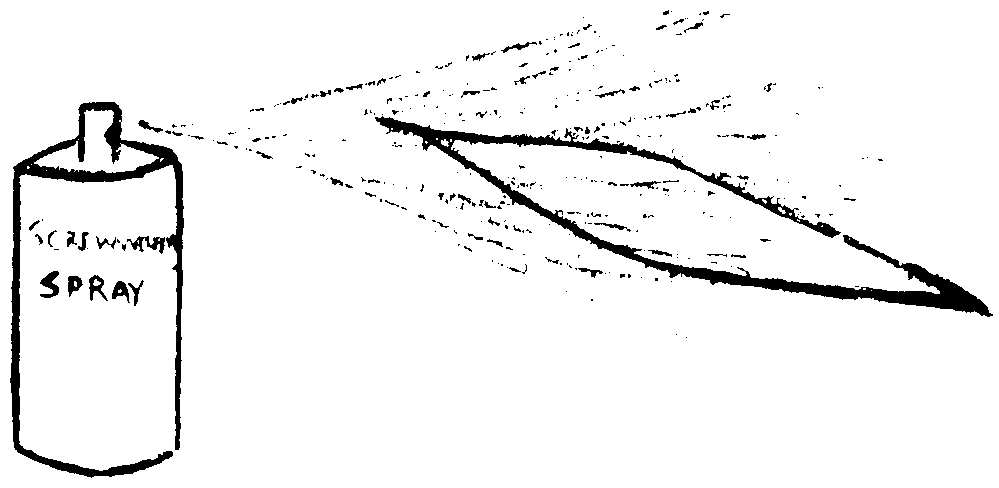
1) If there are screwworms in the area, cover the wound and surrounding area with a product effective against screwworm. See page 120.
1) If the wound is a deep puncture wound, and hydrogen peroxide or antiseptic solution is available, pour or squirt some as deep into the wound as possible. This will make it less susceptible to tetanus infection.
1) If antibiotic ointment or spray is available (for people or animals), cover the wound with it.



1) If possible, place a bandage on the wound to keep it clean. Almost any material can be used to bandage the wound as long as it is clean. A bandage should never be too tight or it will damage the tissue around it. Depending on the severity of the wound, the cleanliness of the environment, and how easy it is to handle the animal, the bandage should be changed every one to three days. At the same time, the wound should be examined, washed and disinfected.
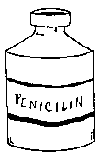
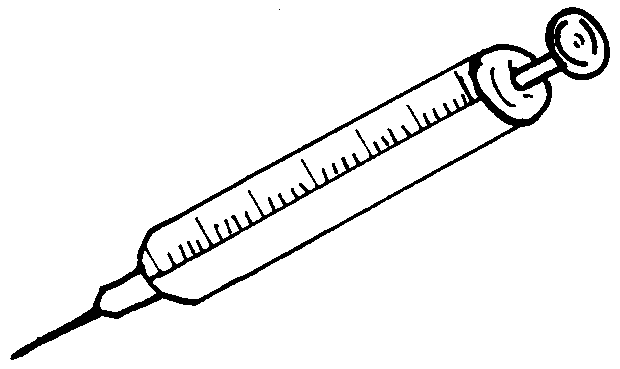
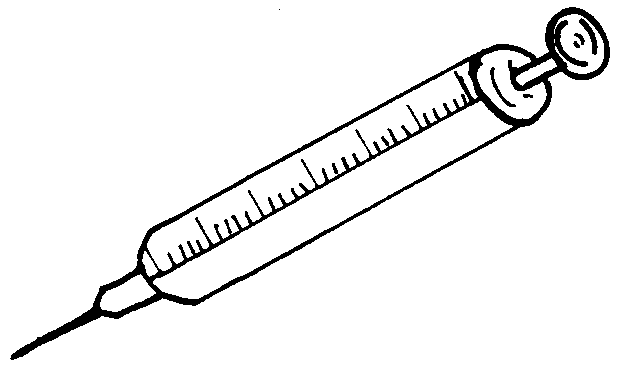
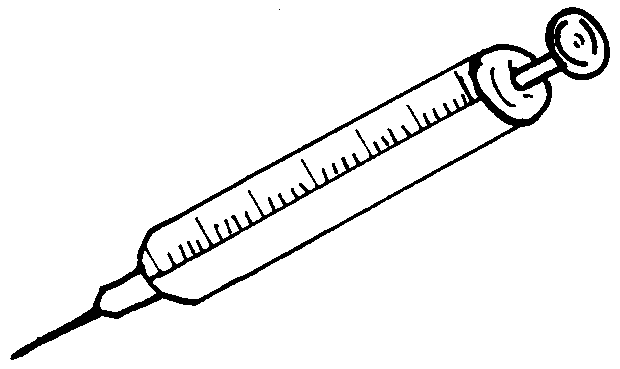
1) If injectable antibiotic is available (penicillin is preferable), give it for at least one week or until the wound is dry and non-inflamed. This is especially important if there is tetanus in the area, the environment is dirty, or the wound is deep or might involve a joint.
Important note: a wet, dirty bandage is worse than no bandage at all! If the environment is wet and dirty, the wound needs cleaning daily, and the bandage changed at the same time. If this is not done, the wound is likely to get infected.