Suturing / Stitching
14.3 Suturing / Stitching 56Definition:
“Suturing” a wound is the same as “sewing”, or “stitching” it closed.
Only certain types of wounds can be sutured successfully. In fact, if some wounds are sutured, they are more prone to infection. Therefore, do not try to suture a wound unless it meets the following six criteria:
Six criteria to suture a wound:
1. It must be a fresh wound and it must be sutured within 12 hours of when the wound occurred.
1. It must be clean.
1. It must be gaping (spread open). Do not suture a deep puncture wound since it will be more prone to infections, particularly tetanus.
1. The tissue around the wound should be healthy. If the tissue around the wound is badly bruised and damaged, then the blood supply to the wound will be damaged. In this case, if the wound is sutured, it will not heal well.
1. Someone must be available who knows how to suture.
1. The essential equipment must be available.
Equipment Needed Essential -Soap and clean water -Disinfectant (local drinking alcohol will also work)
-Metal, glass, or plastic container for disinfectant and instruments -Suture kit (see following page)
Optional -local anesthetic -clean needle and syringe for injecting local anesthetic Kit for suturing Needle holder: To hold the needle during suturing. Other forceps or pliers can be used if a needle holder is not available.
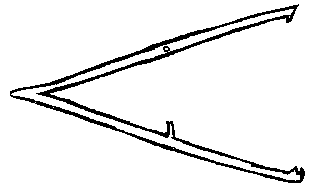
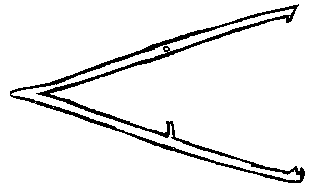
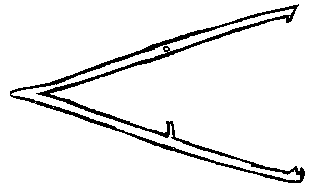
Rat-tooth forceps: To hold and manipulate tissues. Tweezers can be used if a rat-tooth forceps is not available.
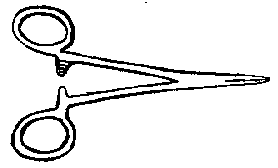
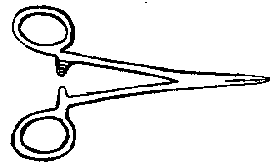
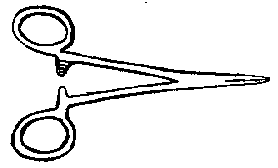
Other forceps: To clamp tissues and vessels. Several types of forceps are available such as “Krile” forceps, Allis tissue forceps, Mosquito forceps. It is useful to have one to two pairs of forceps available to hold tissues and clamp blood vessels that are bleeding.
Suturing needles: To suture the skin or other tissues. There are two types:
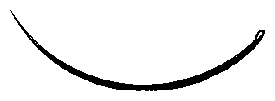
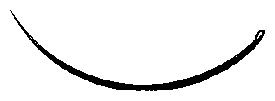
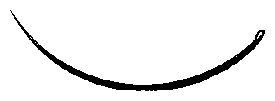
1. Cutting needle: has a sharp, three-cornered tip to pass easily through the skin.
1. Round (tapered) needle: has a sharp, but smooth tip to pass through muscle and other soft tissue.
Suture material (i.e. thread): There are various materials that can be used and can be divided into those that are eventually absorbed by the body and those that are not:
1. Absorbable sutures (e.g. catgut): For internal use because they eventually are absorbed. Absorbable sutures are not usually used on the skin because they irritate the skin too much. Absorbable sutures remain strong for about 7-10 days. However, if the wound is infected, the sutures may weaken after almost 3 days.
1. Non-absorbable sutures (e.g. silk, cotton, nylon, horse hair): These materials are generally used for the skin and should be removed after the wound heals (otherwise, they may cause an infection). Non-absorbable sutures are generally strong. Each has their advantages and disadvantages. For example, silk suture is usually easy to manipulate, but can serve as a wick by absorbing anything wet, resulting in possible infection. Nylon causes the least inflammation and less infection. However, it is more difficult to manipulate. Also, because nylon is slippery, the knot can become untied if not secured well.
Ideally, suture material should be sterile or soaked in alcohol before use. Suture material comes in various sizes usually marked as follows from thickest to thinnest:
3 2 1 0 00 000 0000
Thickest Thinnest For large animals, usually sizes 0-2 are used. For small animals, usually sizes 00-1 are used.