Stomach Problems in Ruminants
11.4.1 Stomach Problems in Ruminants Overeating Whenever an animal eats too much of anything (even good food), it can cause problems, such as bloat, diarrhea, indigestion, and/or laminitis (sore feet). If the animal has overeaten on grain, this should be considered an emergency.
Symptoms: Symptoms vary according to the substance eaten. See the following sections.
Treatment: As seen in the section on First Aid, page 80, the main treatment is to get the food out of the digestive tract as rapidly as possible. Because it is difficult for ruminant animals to vomit, it is easiest to feed medicine that will make them have diarrhea (like magnesium sulfate). The diarrhea then empties the digestive system.
Large animals: Feed 250 gm magnesium sulfate dissolved in water.
Small animals: 25 gm magnesium sulfate dissolved in water.
Some people feed local medicines which cause animals to vomit which may work even for ruminant animals.
Prevention: Regular provision of fresh drinking water may help to prevent overeating.
Bloat (Tympany)
Causes of Bloat - Choke - Sudden change in diet.
- corn and other grains - tree fodder - legumes (like clover)
- rich grasses - Eating poisonous plants 47 Bloat occurs when too much gas collects in the animal's stomach (i.e. the rumen and reticulum). This may happen when there is a sudden change in diet, particularly to more rich food (such as green, leafy forage or grain), when the animal eats poisonous plants, or when the animal has choke. The gas may build up to such an extent that the animal cannot breathe properly and may die unless the gas is rapidly removed.
Animals can die very quickly from bloat.
48
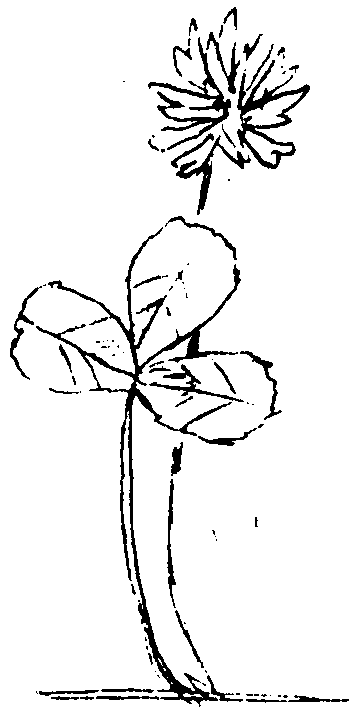
Note: Clover tends to make a gas mixed with some watery bubbles so that the animal cannot burp properly. This is called “frothy bloat.”
Symptoms: (This is an acute disease)
1. The animal's rumen is swollen and looks like a balloon. It is usually swollen on the left side, but in severe, acute cases the whole stomach looks swollen.
2. In severe cases the animal will have difficulty breathing, and saliva may come from its mouth.
3. There will not be a high fever.
Note: Some animals always look like they are slightly bloated. This is called chronic bloat. It is not a problem that will cause an animal to die suddenly.
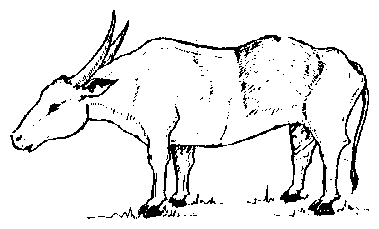
Diagnosis:
1. Tap the animal's left side near the rumen. It will sound like a drum because it is filled with air.
1. Check the animal for “choke.”
1. Verify whether there was a sudden change in diet, or the possibility that the animal ate some poisonous plants.
Treatment of Serious Bloat Cases:
The animal already has much air in its stomach and is having difficulty breathing. (If the animal is already lying down, it can die within minutes.)
Warning! - If an animal is already gasping for breath, do not try to feed medicine because it may go into the animal's lungs!
1. If possible, keep the animal on its feet and keep its head uphill. Quickly pass a stomach tube or flexible hose into the stomach. See page 60. Move the tube around in the stomach until the opening of the tube enters the gas pocket. You will know when this happens because much gas will rush out.
1. If the animal is near death, and the gas cannot be successfully removed by a stomach tube, the rumen can be punctured on the left side with a knife or a special “trochar.” If a special trochar is not available, do not hesitate to use a knife or other sharp object..
1. Feed medicine as described below. After the problem with gas is relieved, if the rumen was punctured, do not suture it shut. Instead apply ointment to prevent infection and flies.
1. Give antibiotic injections (penicillin) for 5 days to prevent infections of both the skin and the abdomen.
USE OF TROCHAR AND CANNULA IN CASES OF BLOAT
Site of insertion of trochar or knife into rumen (in emergencies only!)
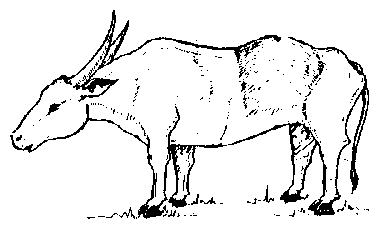
Place the trochar inside the cannula and rapidly force both through the skin at the indicated place on the left side of the animal. Then remove the trochar and the gas will rush out through the cannula. Leave cannula in place until the gas is gone, and then remove it also. If using a knife, simply stab through the skin at the proper site, and the gas will rush out.


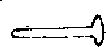
Trochar Cannula Trochar inside of cannula Treatment of Less Serious Cases of Bloat In less serious cases, the animal has already eaten the food. However, the animal is not gasping for air, still has some energy, and can move.
1. If possible, use a stomach tube to remove the gas.
2. Using the stomach tube, feed some oil (cooking oil or mineral oil) or some special bloat medicine. If using a stomach tube is not possible, carefully feed the medicine using a bottle or a piece of bamboo. If no bloat medicine or oil is available, feed the animal soapy water.
3. Some people also feed magnesium sulfate. The magnesium sulfate will cause the animal to have diarrhea and get rid of the food causing the gas. It will help to prevent the animal from bloating again.
Dose for large livestock: 250 gm magnesium sulfate Dose for small livestock: 25 gm magnesium sulfate Cooking oil or Mineral Oil Animal: Buffalo, cow, ox, goat, sheep, etc.
Dosage: Large animals: 1 - 4 liters Small animals: 1/4 - 1/2 liter Frequency: Every 2-4 hours until recovery 49 Control/Prevention of Bloat:
- Avoid sudden changes in diet.
- Avoid grazing animals in areas where they might eat poisonous plants or things that cause bloat.
- Allow animals to drink water before feeding them.
Impaction / Constipation Constipation is the term used for an unusually hard stool. The cause may be eating dry food without enough water, or not eating enough roughage.
Impaction is the term used when the stomach or intestine is packed with solid food which cannot move through the digestive tract. Like constipation, this usually happens when an animal lacks water or roughage. Constipation, if not treated in time, may progress to an impaction.
Symptoms: The animal has no appetite, does not chew its cud, has no stool, may appear uncomfortable, and may strain to defecate, but without success. If you press against the animals left side (against the rumen), it feels very hard and does not sound like an air-filled drum (i.e. bloat) because it is filled with solid material.
Diagnosis: The diagnosis is based on symptoms and a history of eating dry food without enough water or roughage.
Treatment:
-Water!
-Mineral or cooking oil -Magnesium sulfate -Fresh, green grass 50 Treatment: Ordinary cooking oil, or mineral oil, is a very effective treatment. For a big animal, 1 - 4 liters of oil should be fed with a stomach tube or bottle. If the oil is too expensive, then try giving magnesium sulfate. See page 188. Provide several buckets of water. Since the animal may not want to drink, give the water by stomach tube, bottle, or bamboo tube. Treatment may be repeated twice daily. Offer fresh, green grass to help stimulate the digestive tract.
Control/Prevention: Animals should always be given lots of fresh water to drink. Fresh, green grass or other roughages are also necessary to keep the stomach moving properly.
Indigestion can also be caused by feeding too many antibiotics to a ruminant animal. These drugs kill the good microorganisms. Or, indigestion can be caused by eating too much grain all at once. This results in acid production; and the good bacteria may die.
51 Stomach Pain in Ruminants (Indigestion in Ruminants)
Sometimes an animal quits chewing its cud and is not eating properly. This often occurs after an impaction. Also, it is often caused by pain in the “belly” from various causes:
-Sudden changes in food.
-Constipation.
-Bad or rotten food.
-Parasites.
-Overeating grain.
-Feeding antibiotics.
- “Hardware Disease” (accidentally eating a sharp object). See below on this page.
Symptoms: The animal quits eating and chewing its cud. It often has pain in its stomach and may even grunt with pain. There may be extra gas in the rumen.
Diagnosis: Based on physical exam and history Treatment:
1. Treat any other obvious medical problems.
2. If the animal grunts with pain, and has a fever, use antibiotic injections. (Penicillin) to treat the infection in the rumen.
3. Provide fresh, green grass.
4. If possible, give Vitamin B injections to stimulate the appetite. See page 312. However, Vitamin B injections are expensive and it may be cheaper to simply give tasty, green grass.
5. Some stomach stimulant or other similar local medicine can be given to help the animal's appetite.
6. Seriously affected animals which have not been eating for a long time, can be treated by feeding several handfuls of grass from the rumen of a healthy animal. This grass contains the proper micro-organisms which will start growing again in the sick animal's rumen. This grass can be obtained from a place where animals are cut for meat; or one can take the grass from the mouth of a healthy animal when it is chewing its cud. This can then be fed by stomach tube to the sick animal. This process is called a rumen transplant.
Control/Prevention: Indigestion can be prevented by feeding antibiotics properly; by regularly feeding medicines for parasites; and by controlling what animals eat.
Hardware Disease Sometimes an object, like a sharp piece of wire, is accidentally swallowed. This object can then scratch or puncture the wall of the stomach, causing pain and infection. Eventually, the wire can poke through the stomach and into the heart resulting in rapid death. Hardware disease is often a problem where recent house-building has taken place (and hardware such as nails and wire were left at the site), and where machines are used to cut the grass. The machines will cut up wire into small pieces, making it easier for the animals to accidentally swallow a piece when they are grazing.
Treatment: If these animals can be referred to a veterinary doctor, sometimes an operation can be performed and the wire removed; or a magnet can be placed in the stomach to attract the hardware and keep it from puncturing the stomach wall.
If the animal has a fever, give penicillin injections as described in the section on treatment of stomach pain.