Mastitis (Swollen Udder) (Lopsided, Hot Udder) (Bad Milk)
10.7.4 Mastitis (Swollen Udder) (Lopsided, Hot Udder) (Bad Milk)
Mastitis means an inflammation of the udder. This usually means that the udder or teats are swollen, hot and reddened. Mastitis lowers milk production. The most common causes are injury to the udder or bacterial infection.
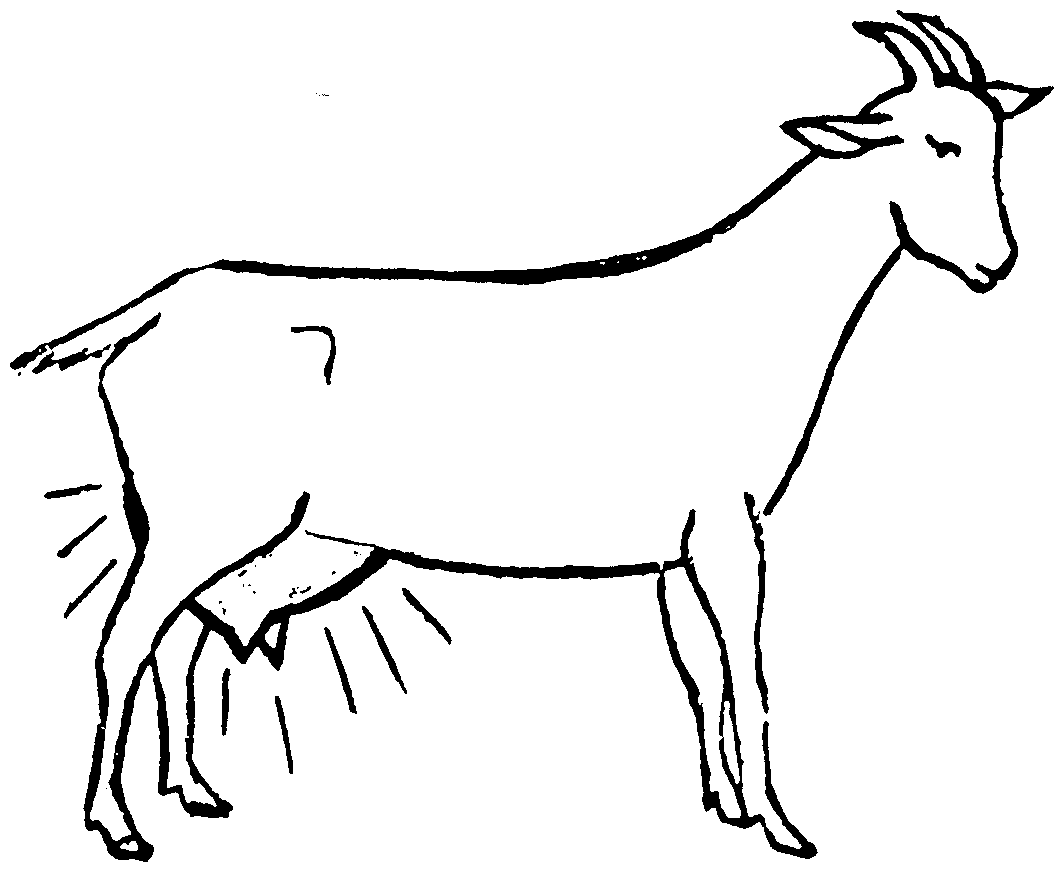
Symptoms of acute mastitis: The udder becomes swollen, hot and painful. The animal may become ill and stop eating.
If an animal with mastitis is treated with antibiotics, then the milk should not be drunk for several days afterwards. If the owner decides to drink the milk anyway, then the milk should be carefully boiled first.
What to do if you suspect mastitis?
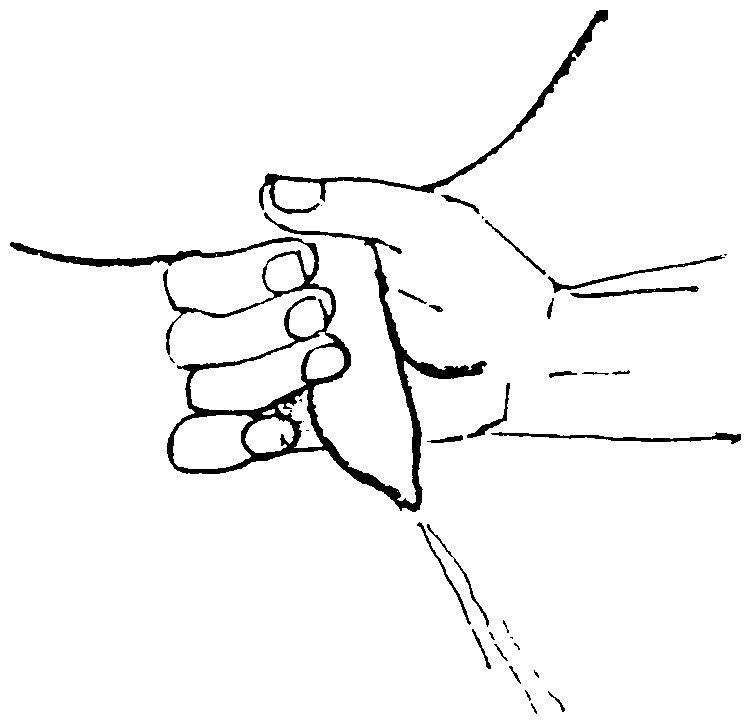
1. Examine the milk Squirt some milk into your hand, a cup or a leaf and examine it closely. Check to see if it is watery, smells bad, or has lumps, pus or blood in it. Any of these symptoms indicates mastitis. Note: It is easier to see lumps if milk is squirted onto a dark colored surface (e.g. a black piece of paper or a dark green leaf).
The milk can also be examined with a special solution called “mastitis solution.” This solution is usually blue in color. Several milliliters of milk are mixed with several milliliters of solution. Then the mixture is swirled to see if it becomes thick, which indicates mastitis.
2. Take the temperature of the animal
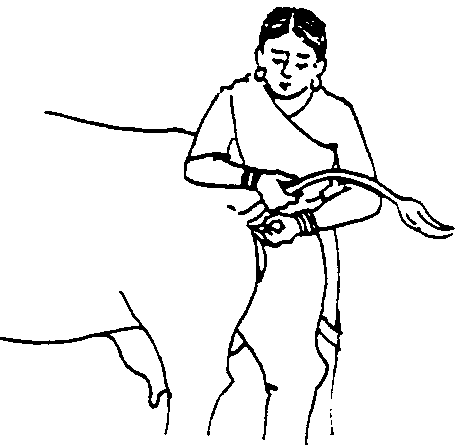
Table: Treatment of Mastitis
| Milk is Normal | Milk is Normal | Milk is Not Normal (i.e. watery, smells bad, or has clots, blood, or pus) | Milk is Not Normal (i.e. watery, smells bad, or has clots, blood, or pus) |
|---|---|---|---|
| Animal does not have a fever | Animal has a fever | Animal has a fever | Animal does not have a fever |
| Often due to udder damage. | Mastitis plus toxemia. | Bacteria in udder plus toxemia | Bacteria in udder but no toxemia |
| Treatment | Treatment | Treatment | Treatment |
| Milk frequently1 (may need to use teat cannula2). | Milk frequently1 (may need to use teat cannula2). | Milk frequently1 | Milk frequently1 |
| Apply warm, wet cloth.3 | Apply warm, wet cloth.3 | (may need to use teat cannula2). | (may need to use teat cannula2). |
| Treat wounds on udder and teats.4 | Treat wounds on udder and teats.3 | Apply warm, wet cloth.3 | Apply warm, wet cloth.3 |
| Give food and water. | Give food and water. | Treat wounds on udder and teats.4 | Treat wounds on udder and teats.4 |
| Antibiotics (IM or SC). | Give food and water. | Give food and water. | |
| Antibiotics (IM or SC). | Do not have to give antibiotics IM or SC; unless unable to use intra- mammary antibiotics. | ||
| Use Intra- | Use Intra-mammary antibiotics if possible. | ||
| Mammary antibiotics if possible. |
1Milking frequently (at least 4 times daily) helps to decrease the pressure, (and pain) and flushes out the udder as well. If no milk will come out, then a clean teat cannula should be inserted into the teat so that milk can come out.
2 See page 158, 'using a teat cannula.' Caution: NEVER insert sticks or pieces of straw into the teat to help the milk come out! Remove the cannula when not milking!
3Applying a warm, wet cloth to the udder and teats helps to reduce swelling and pain.
4Giving antibiotics helps to kill any germs in the udder.
5Treating any wounds on the teats or udder helps to kill any germs that may invade the udder. Apply gentian violet, antibiotic ointment, Vaseline, or cooking oil to the wound.
Prevention:
Mastitis can be prevented by:
Keeping animals clean, particularly after milking (when the teats are still open).
Washing and drying the udder before milking.
Dipping the teats in disinfectant solution immediately after milking.
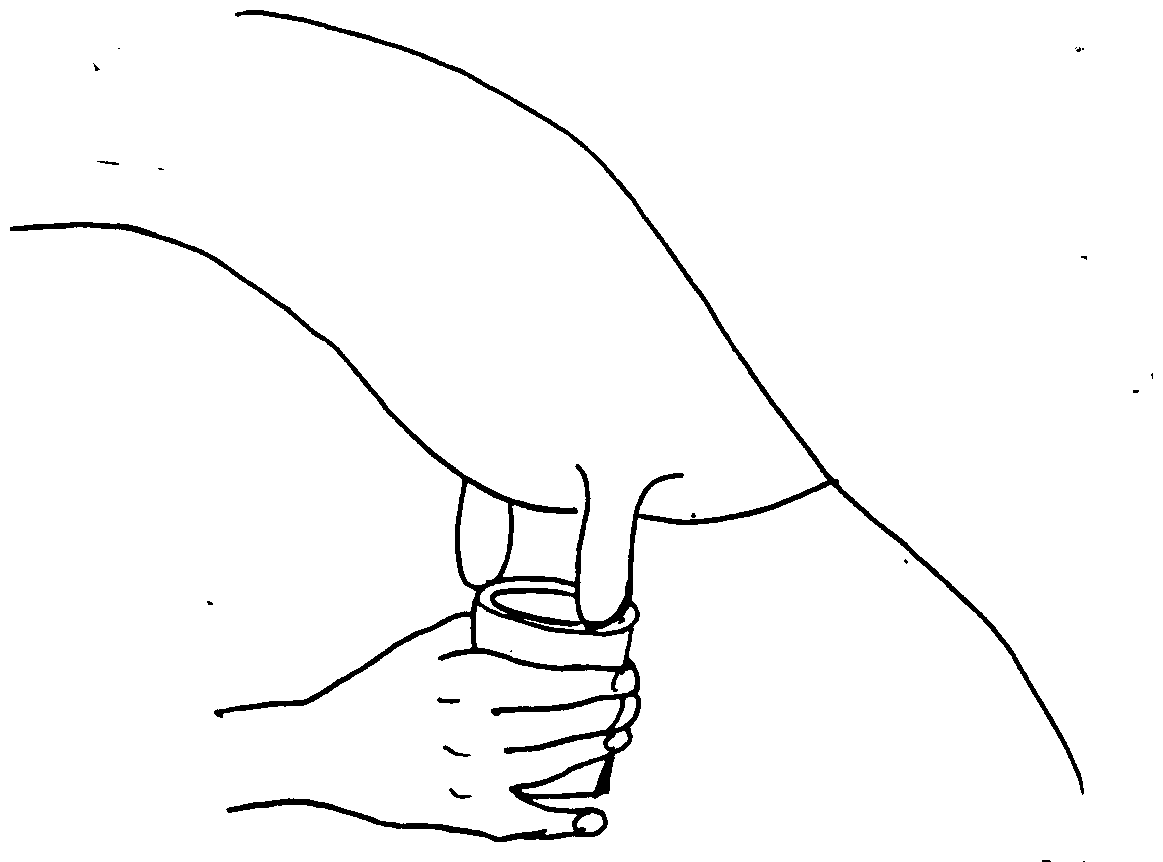
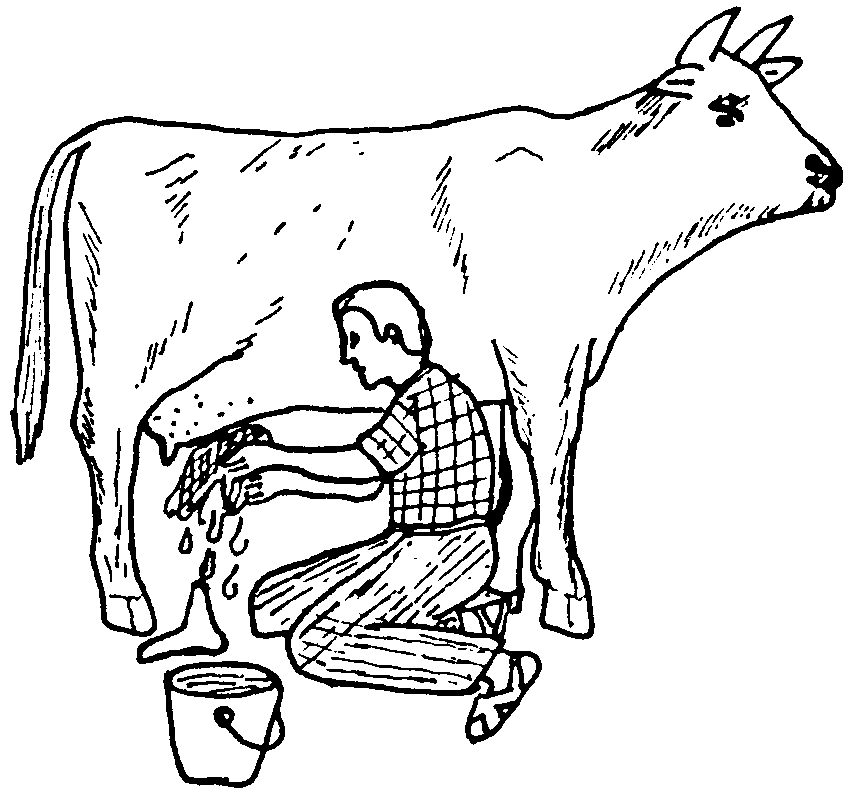
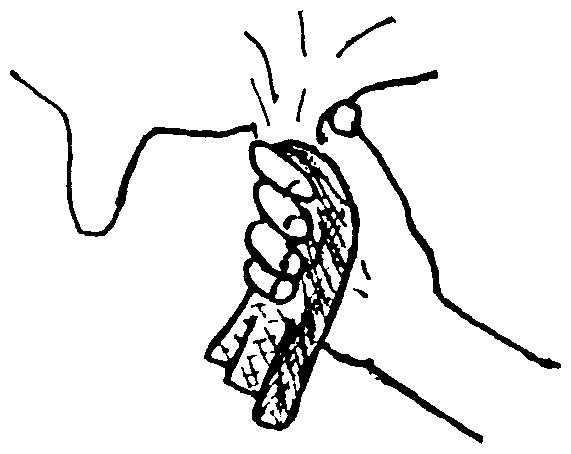
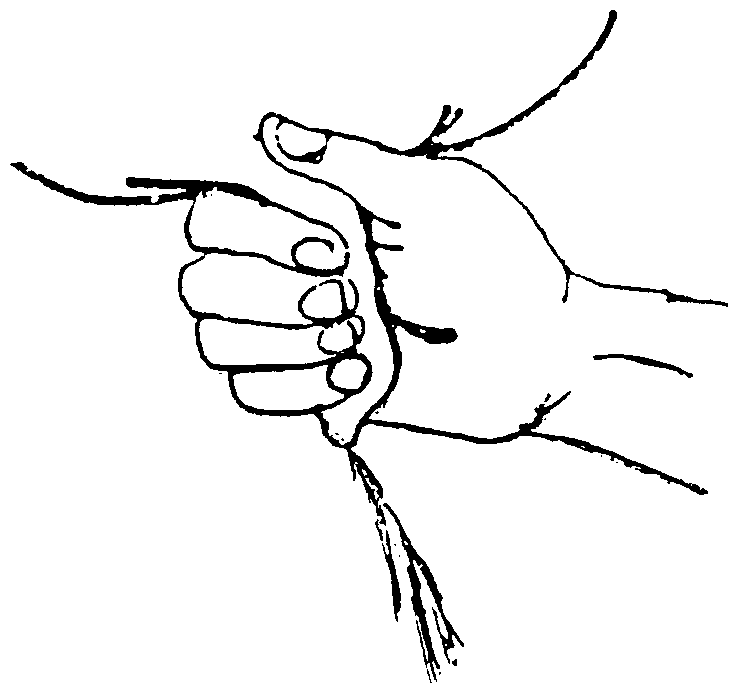
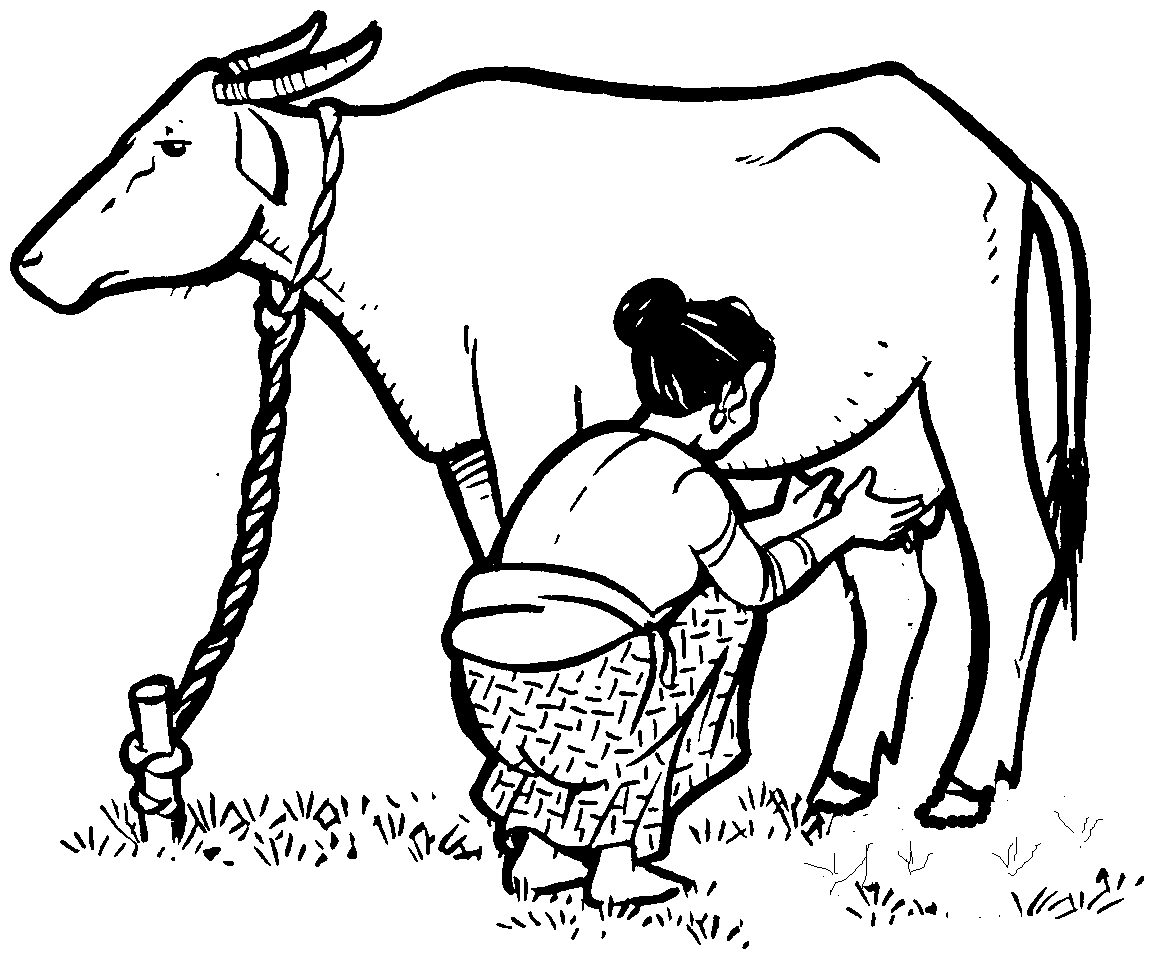
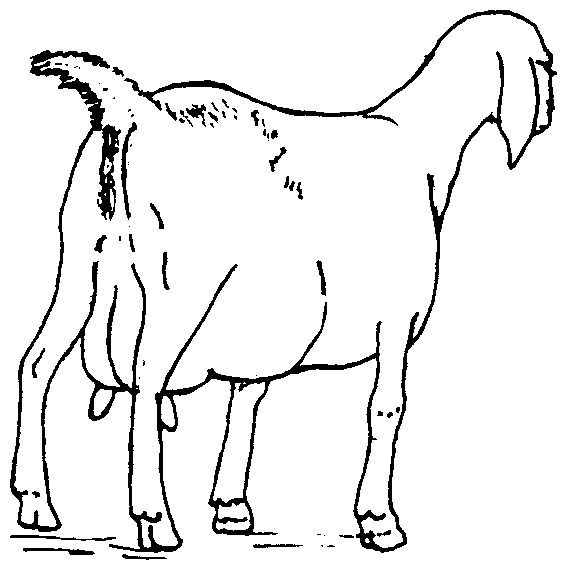
Make young females gentle and accustomed to being milked by massaging the udder daily during the few months before giving birth. This will help prevent injury to the udder.
Selecting milking animals from mothers that have good strong udders (and not poor udders that hang down low).
Note: Bad milk should not be drunk by either humans or the baby animals themselves. Bad milk should be thrown-away until it looks normal again.
| How to Use Intra-Mammary Antibiotics |
|---|
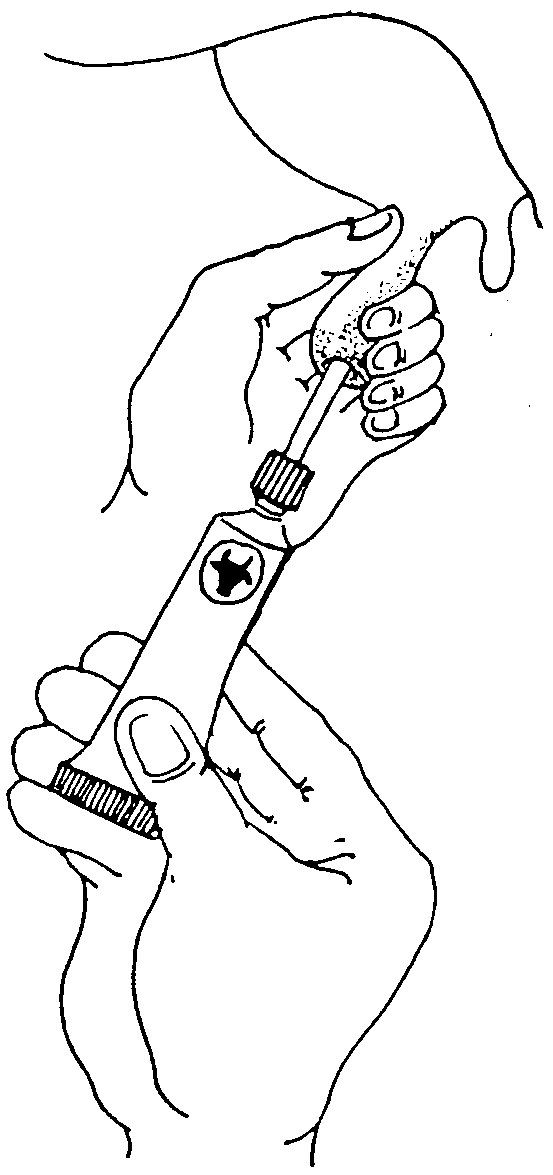
| 1. Milk the affected teat completely. |
| 1. Clean the tip of the teat with disinfectant. |
| 1. Insert the plastic cannula (that comes with intra-mammary antibiotic) into the tip of the teat. |
| 1. Attach the tube of antibiotic to the cannula. |
| 1. Squeeze the contents of the entire tube into the teat. |
| 1. Remove the cannula and hold the end of the teat closed |
| 1. Gently massage the medicine up into the udder. |
| Note: Intra-mammary antibiotics are more difficult to give than IM or SC injections. If no one is available who knows how to do this, then give an injection instead. |
| Caution: Read and follow the label on the intra-mammary tube. Some intra-mammary antibiotics contain steroids that may cause a pregnant animal to abort. |
How to Properly Use a Teat Cannula 36If a teat cannula is not used properly, it will push bacteria into the teat and cause infection.
1. The cannula should be soaked in disinfectant for at least 10 minutes. If no disinfectant is available, then use locally-made alcohol or spirits. Some cotton should also be soaked in the disinfectant with the cannula.
2. If the animal reacts or kicks when touching the udder, then restrain the animal in a crate. If the animal still moves too much, then restrain it with a rope tied around the abdomen in front of the udder or tie the legs in ways to prevent kicking. See pages 23, 26, 27.
3. Wash your hands and clean your fingers (including fingernails) with disinfectant.
4. Grasp the teat, holding it on the sides. Clean the end of the teat thoroughly with a disinfected piece of cotton wool.
5. Then, hold the cannula at the base (NOT THE TIP!) and insert it into the teat.
6. If the cannula accidentally touches the skin on the side of the teat, or if the animal moves and touches the cannula, clean the cannula and begin again.
7. After the milk drains out, remove the teat cannula.
Sometimes an animal has mastitis that won't heal. The animal may not appear sick. However, the milk production may be decreased, and the milk may be abnormal or watery. This may be due to a germ that is resistant to the antibiotic used.
Treatment If possible, submit a sample of milk to a laboratory to determine which antibiotic might work. Try to get a sample before treating with antibiotics.
If it is impossible to test a sample in the laboratory, try treating with an antibiotic different than was previously used. An intra-mammary antibiotic is best, but if it is not available, use IM or SC antibiotics. Follow the label instructions which usually indicate treating for 4 days. Do not stop treatment early as this may increase the resistance to the germs.