Problems of the Uterus & Birth Canal
10.7.3 Problems of the Uterus & Birth Canal (Prolapsed Vagina, Prolapsed Uterus, Discharge from the Vulva, Retained Placenta, Metritis)
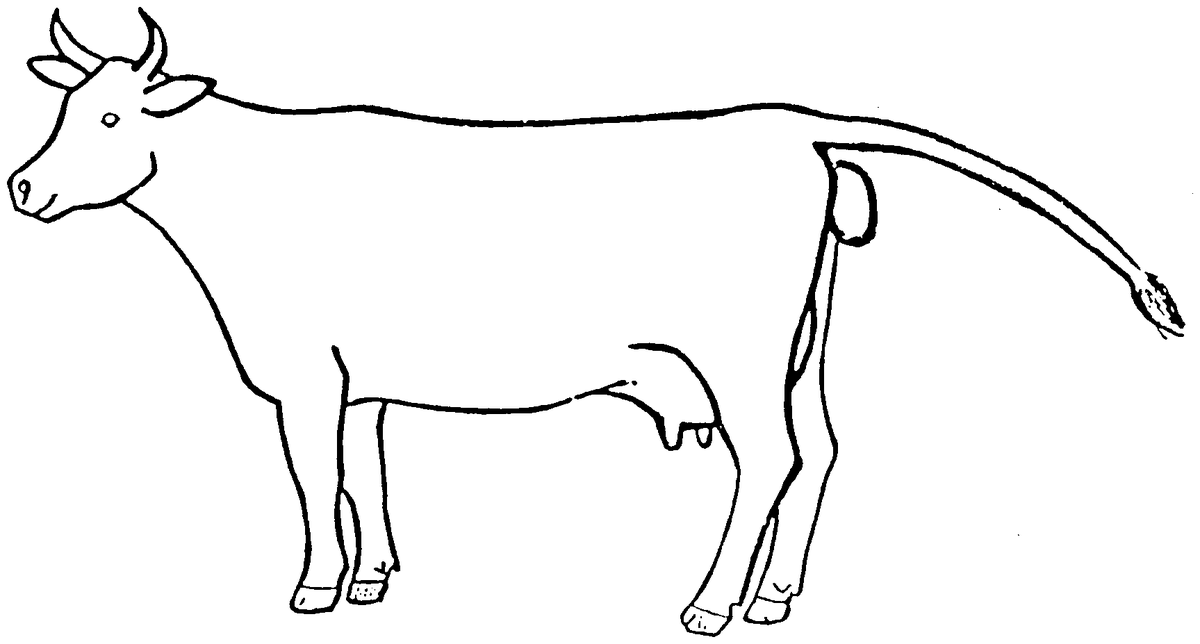
This is the term used when the vagina comes outside of the vulva. It is seen as a red ball of tissue that is pushed out of the vulva, and the mother is often pushing and straining, like she is trying to deliver. It usually happens during the last few months of gestation when the baby is big; as the mother lies down, the pressure of the large baby causes the vagina to prolapse.
Treatment Position the mother so that her head is slightly downhill. If necessary, dig a shallow hole (about 1-foot-deep) where her front feet are.
With the animal standing up and her head downhill, the red ball of tissue should be thoroughly washed and made slippery with soap. (If there are any wounds or maggots, they must be treated.)
Slowly push the prolapsed vagina back inside the vulva.
After the vagina is pushed back inside, gently hold it in place for at least 5-10 minutes or the mother will push it out again. It can be held inside by holding the vulva shut with your hand from the outside.
After the mother stops straining, release your hand and observe the animal closely for a half hour or so. Prevent her from laying down for the next few hours or she will push it out again.
Advise the farmer to feed the mother in small amounts many times each day. This will make her rumen take up less space in the belly.
If the mother starts straining again, watch her and do not let her lay down for several hours.
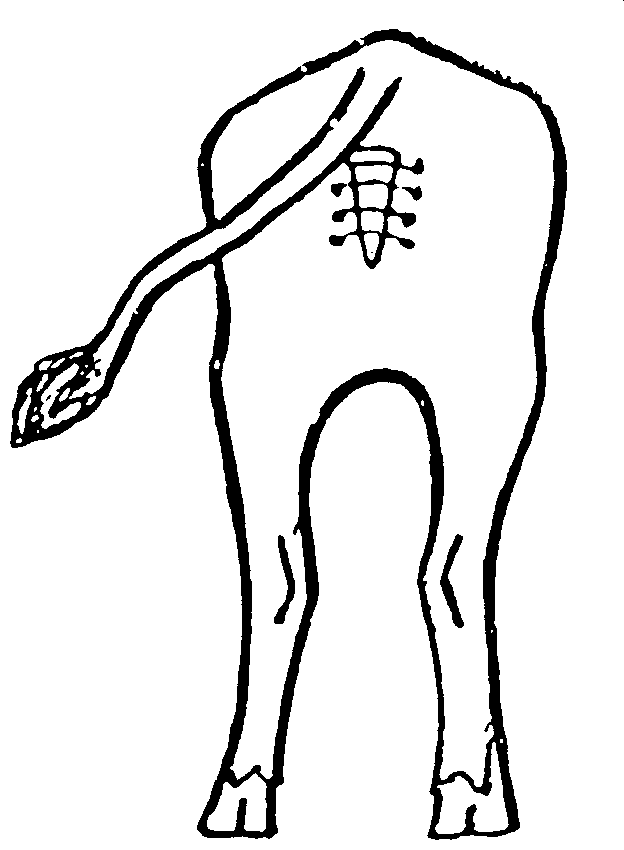
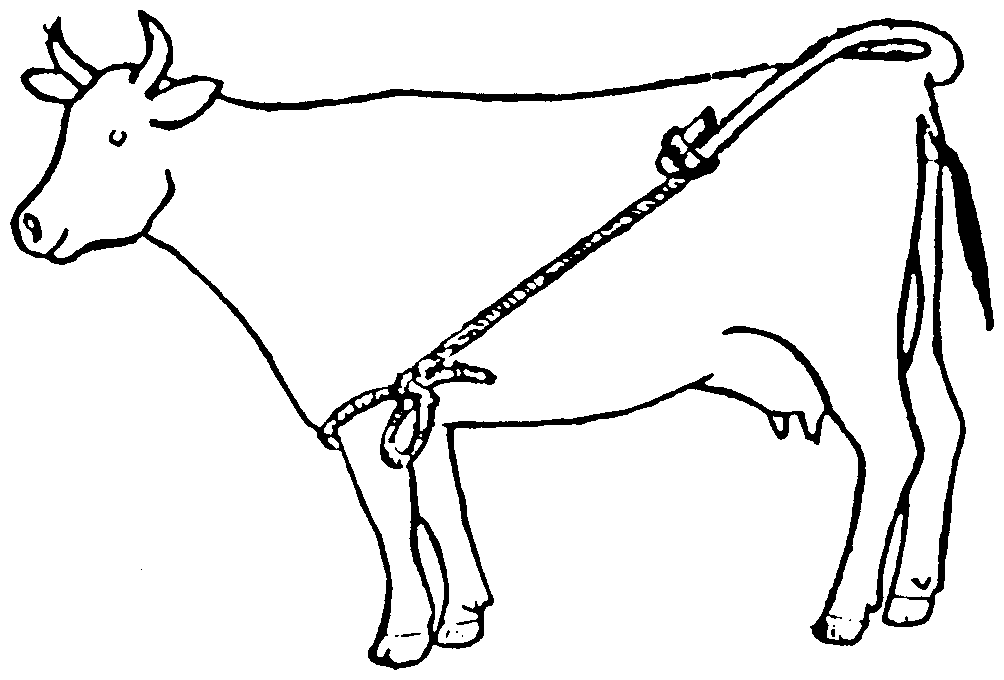
If the mother keeps straining and pushing the vagina out, you may have to hold it in with ropes, or with sutures. (See diagrams for prolapsed uterus). However, this is dangerous because you will need to remove the ropes immediately when the mother starts to deliver her baby.
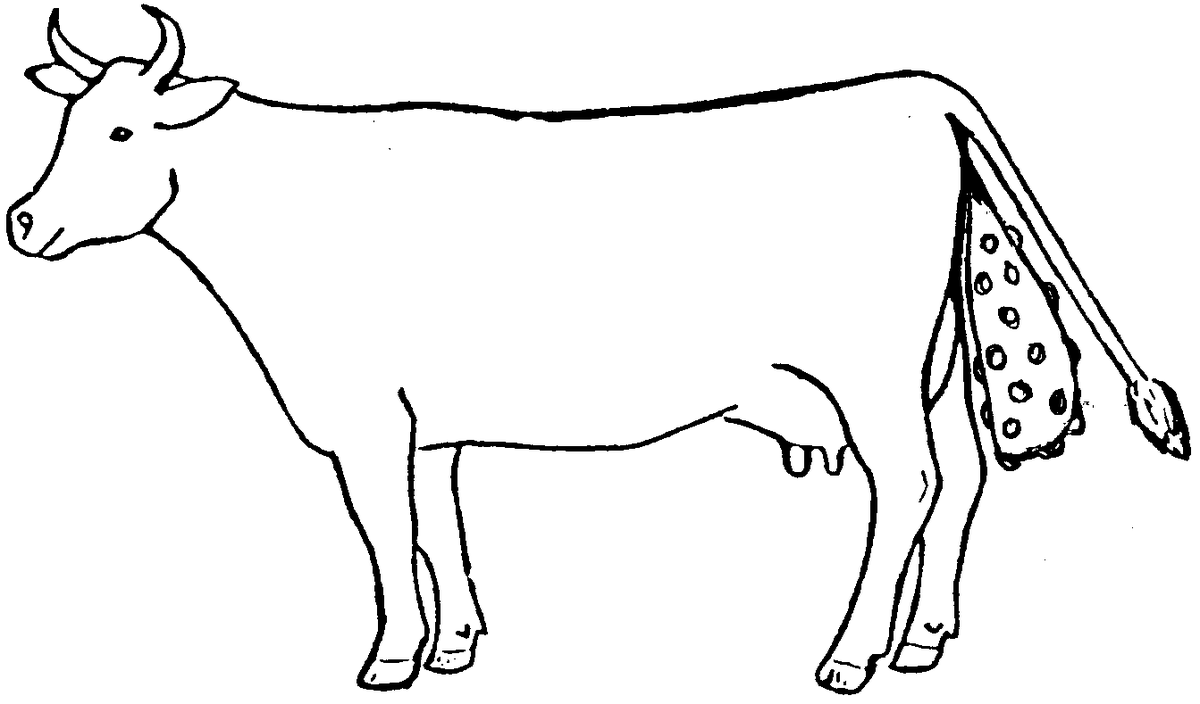
This is the term used when the uterus turns inside-out and comes out of the vagina. This usually occurs within hours after giving birth. In high producing dairy cows it is often associated with milk fever (lack of calcium). It is also seen fairly frequently in buffalo.
Treatment:
Respond to the call quickly. If the uterus has been out for more than 8 hours, the mother usually dies. However, 80% of animals which are treated quickly will live.
Thoroughly clean the uterus and push it back into the mother. This is often difficult to do because the mother usually tries to push it back again! The uterus can be pushed back into the mother animal if she is either lying down or standing up.
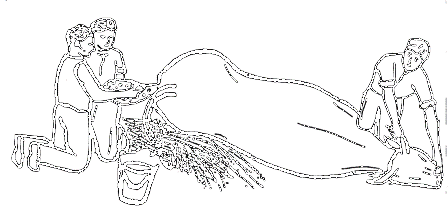
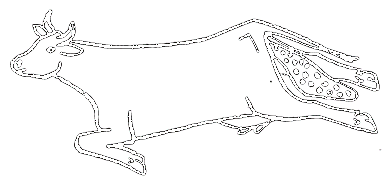
Laying Down Position: Position the mother so that her front end is tilted downhill (if possible) to prevent her from pushing hard, and so that the forces of gravity will work with you. Do this by digging a shallow hole and putting her front end in it, or put some straw under her back end, or pull her hind legs out behind her. (See diagram.)
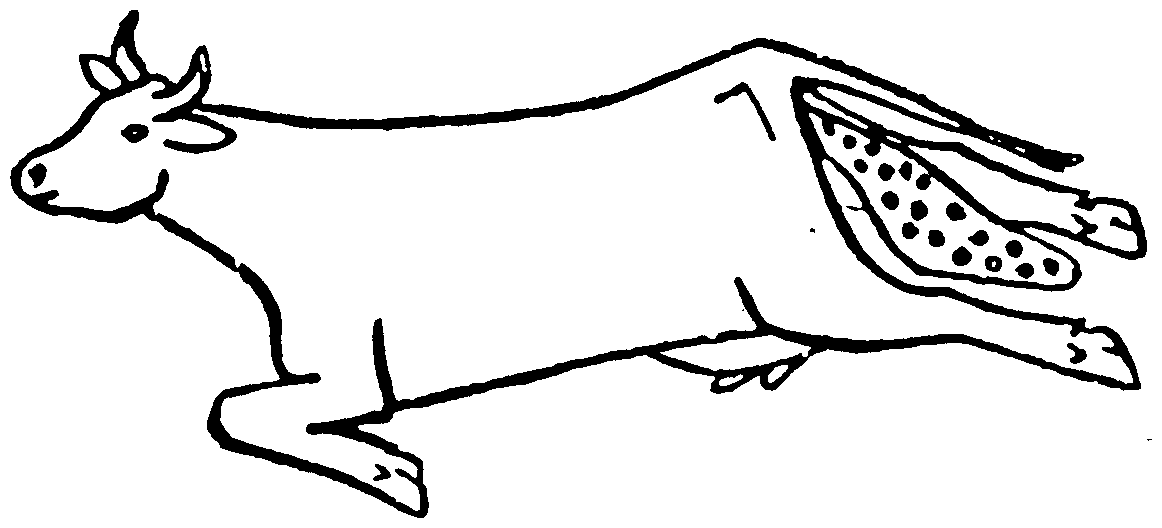
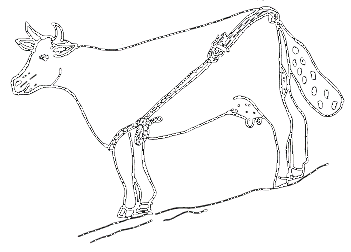
Standing Position: In this position also, try to position the mother so that her front end is tilted downhill.
Step-by-Step Procedure for Treatment of Uterine Prolapse Clean the uterus well. It is easiest to put the whole uterus into a bucket of clean water and wash it with soap.
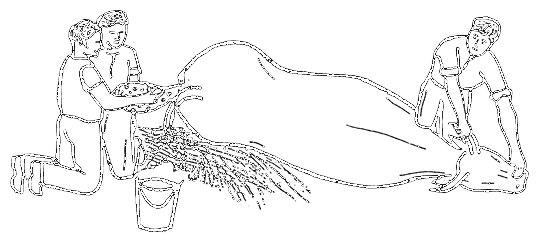
Remove the placenta, if possible.
Squat (or stand, if the mother is standing) behind the mother and gently lift the uterus.
Apply soap to make the uterus slippery.
Slowly push the uterus back into the vulva and vagina. It may be necessary to apply more soap to make the uterus more slippery.
When pushing, be careful not to poke holes in the uterus with your fingers.
The process may take a long time, even an hour or more.
Ensure that the uterus is pushed into the proper position inside the mother; otherwise, she may push it out again.
If the uterus is so swollen that it will not go back inside the mother, apply cold water (and possibly sugar) to reduce the swelling. Most importantly, remember to make the uterus slippery and keep the mother's front end tilted slightly downhill.
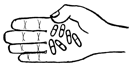
Place antibiotic boluses such as those containing sulfa, tetracycline, or furazolidone inside the uterus. If boluses are not available, use 6 capsules that contain 500 milligrams each of tetracycline (for humans).
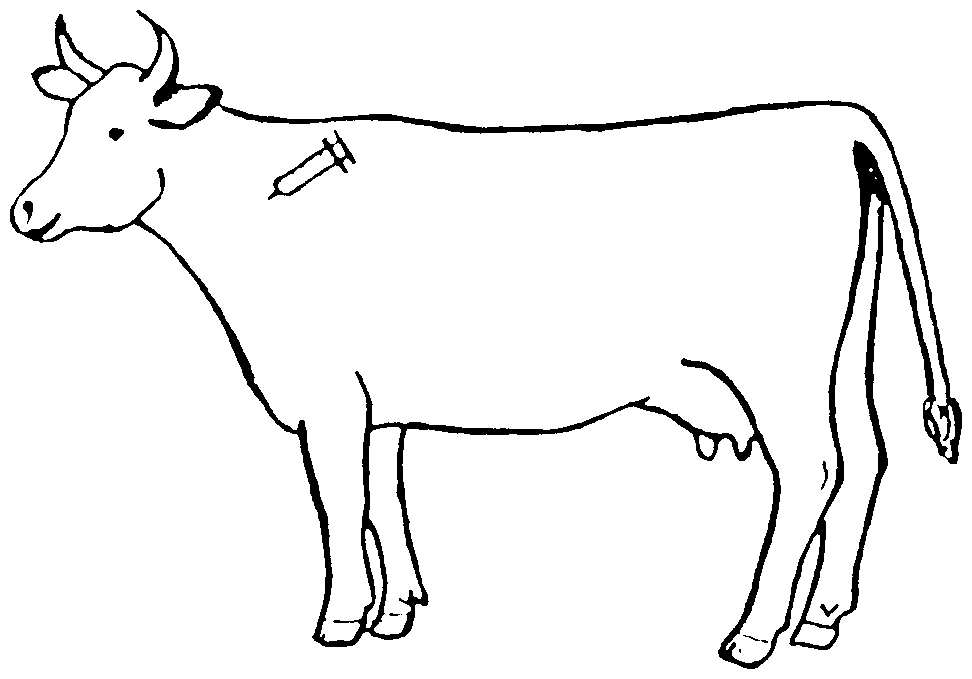
Give an injection of antibiotic such as penicillin, ampicillin or tetracycline.
Examine and, if necessary, treat the animal for milk fever.
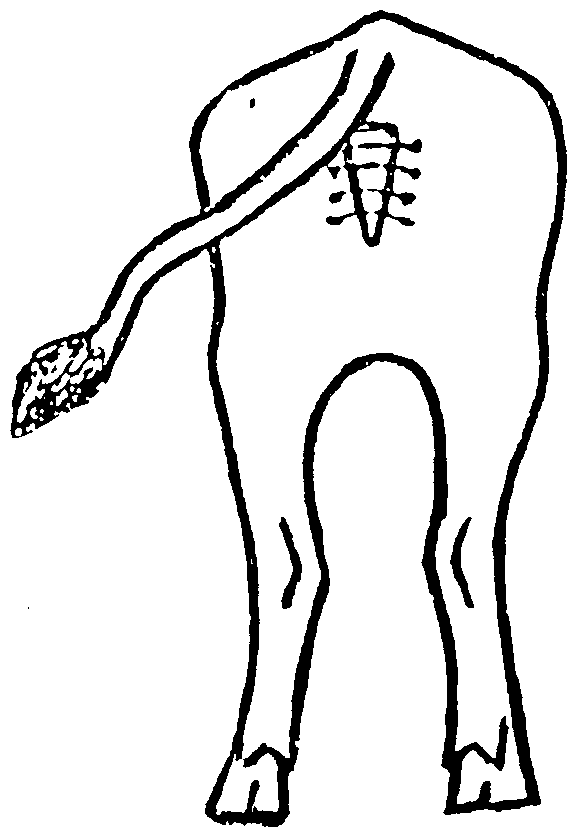
Prevent the animal from pushing the uterus back out again by one of the following methods:
tie a “ring” around the vulva so that the uterus cannot come back out.
place 3 or 4 sutures, using thick suture material in the vulva to close it. The sutures must then be removed in about 3 days.
Allow the baby to nurse so that oxytocin is released to contract the uterus and prevent it from coming out again. If the baby cannot nurse, then give the animal an injection of oxytocin.
If the mother was lying down, try to get her onto her feet again. You may have to lift her, using 5 or 6 people. If she is still trying to push her uterus out, then keep her front end tilted downhill.
The following describes the different types of discharges from the vulva and their significance:
Clear, slippery fluid at the time of heat: a normal sign of heat Slight, bloody discharge: a normal sign shortly after a heat period (i.e. it’s too late to breed her)
Red-colored discharge during the first week following delivery: a normal symptom as long as the cow is eating and does not have a fever Bad-smelling discharge from the vulva: a sign of metritis (i.e. infection of the uterus).
Shortly after delivery, this discharge may often be a mixture of blood and pus and can cause severe illness or even death.
Chronic discharge is often comprised of pus and does not usually cause severe illness, but can lead to infertility.
For treatment, see metritis. See page 154.
A retained placenta occurs when all of the afterbirth (placenta) does not come out within a few hours following delivery. This problem may be due to nutritional deficiencies, infectious diseases, a difficult delivery or other factors. A retained placenta may lead to a uterine infection, called “metritis.” See page 154. Metritis can make an animal very sick.
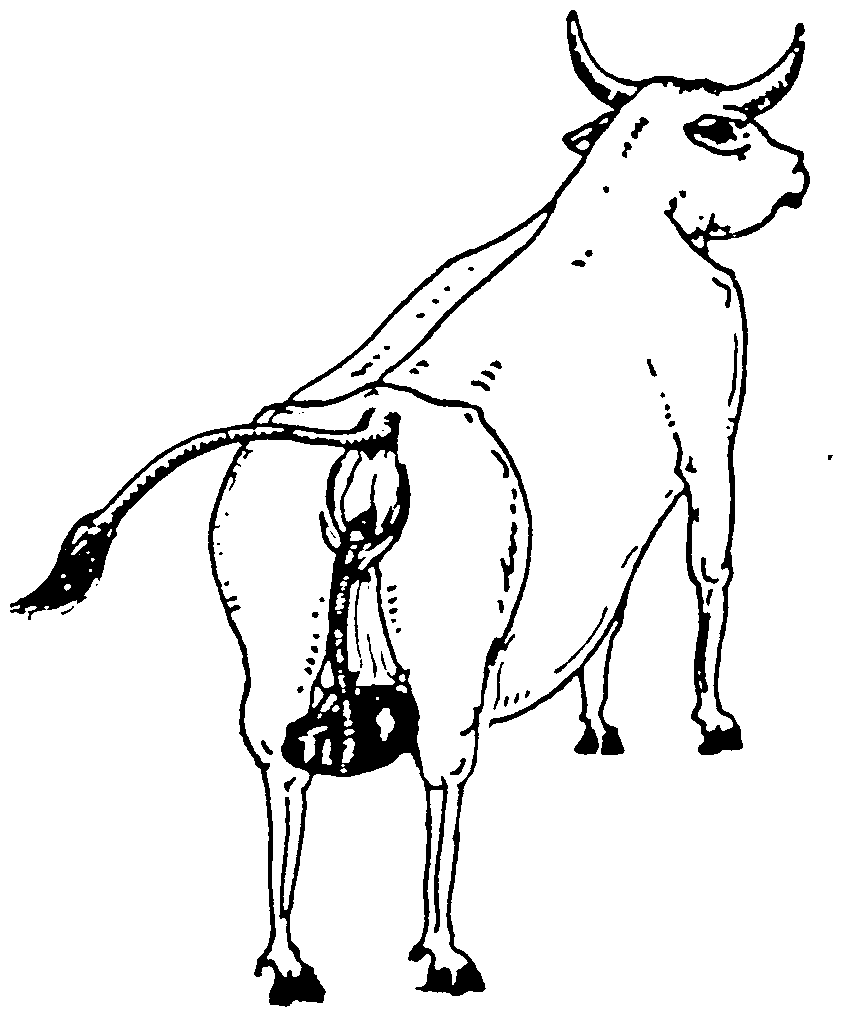
Treatment During the first 6-12 hours following delivery, try tying a rock to the part of the placenta hanging outside of the mother. The weight of the rock may help remove the placenta. Alternatively, fill the placenta that is hanging out of the animal with water.
If, after 12 hours the placenta has not come out, the best treatment is to put antibiotics into the uterus, plus give an injection of antibiotics to prevent metritis. However, in remote areas, where medicines and emergency help are difficult to obtain, remove the placenta by hand. Although removal by hand is less preferable because it can damage the uterus, it may also prevent the development of severe metritis, toxemia or even death.
Exception for Mares: A retained placenta in a mare is more serious than in most other animals, since mares are more susceptible to serious metritis. If the placenta has not come out within three hours after delivery, give 10 IU of oxytocin in the muscle every hour until the placenta comes out. If the placenta still does not come out after 6 hours, give an injection of antibiotics (e.g. penicillin) and continue the antibiotics for 5 days. Do not remove the placenta by hand as this may cause hemorrhaging.
Exception for Pigs: If a sow has a retained placenta, give her 10 IU of oxytocin every two hours during the first day. If by the second day the placenta has not come out, stop the oxytocin injections and give the sow injections of antibiotic to prevent serious illness due to metritis. Continue the antibiotics for 3-5 days.
To manually remove the placenta from cattle, buffalo, goats and sheep 1. Have the owner hold the tail, or tie it to one side 2. Wash the vulva and the area around it very well with soapy water.
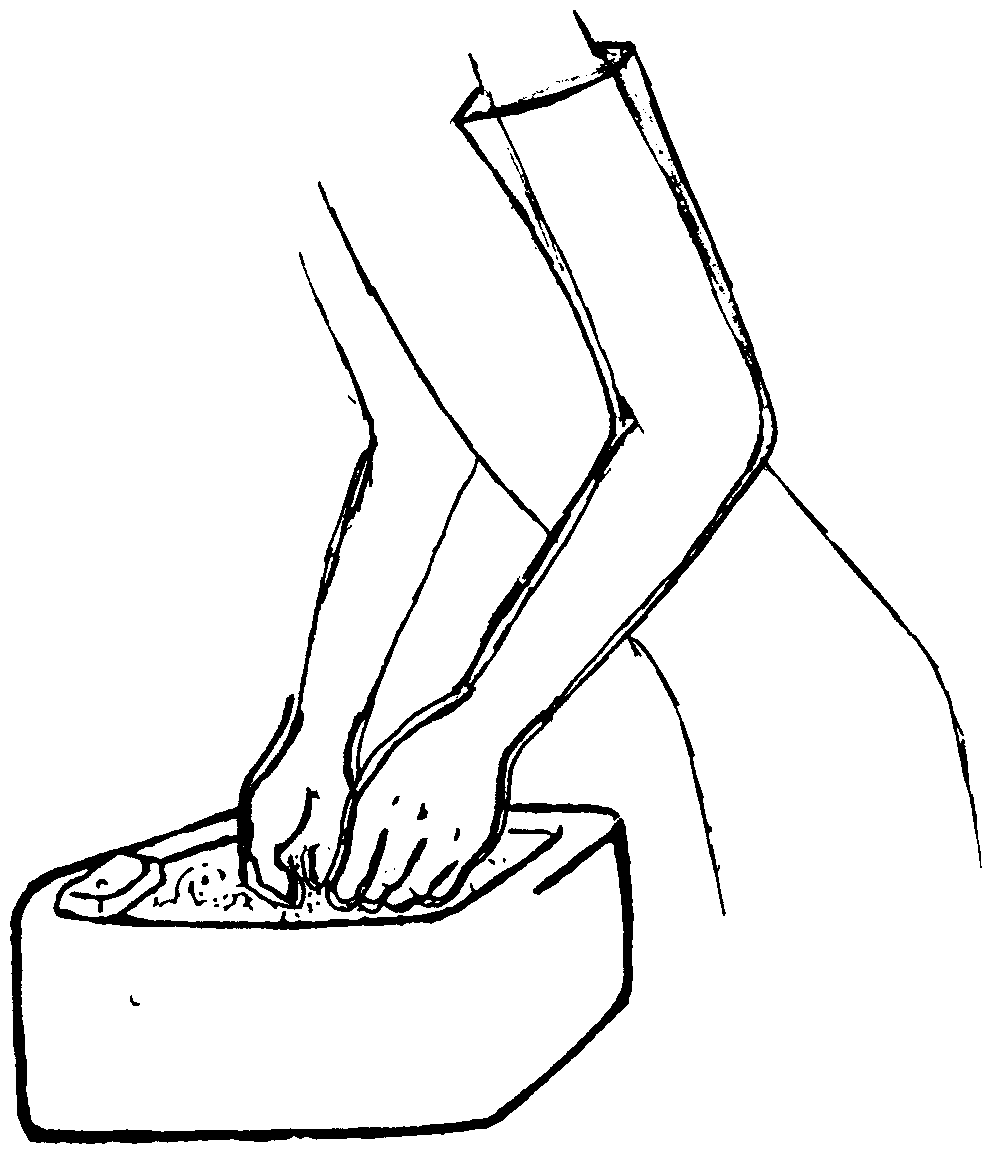
1. Put a plastic sleeve on your arm (if available), and wash the sleeve until it is slippery with soap. Caution: Never treat an animal that has just aborted without wearing a plastic glove and sleeve. Always wash your hands and arms afterwards. See page 139.
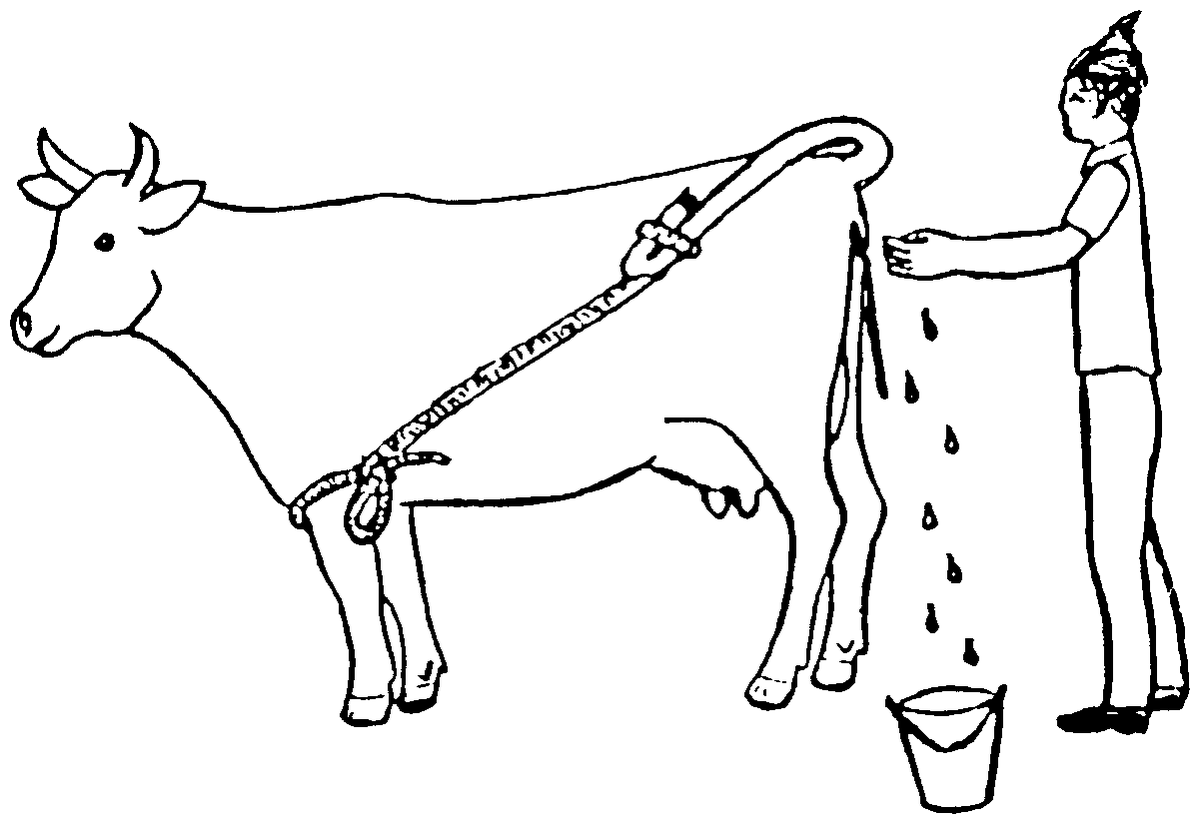
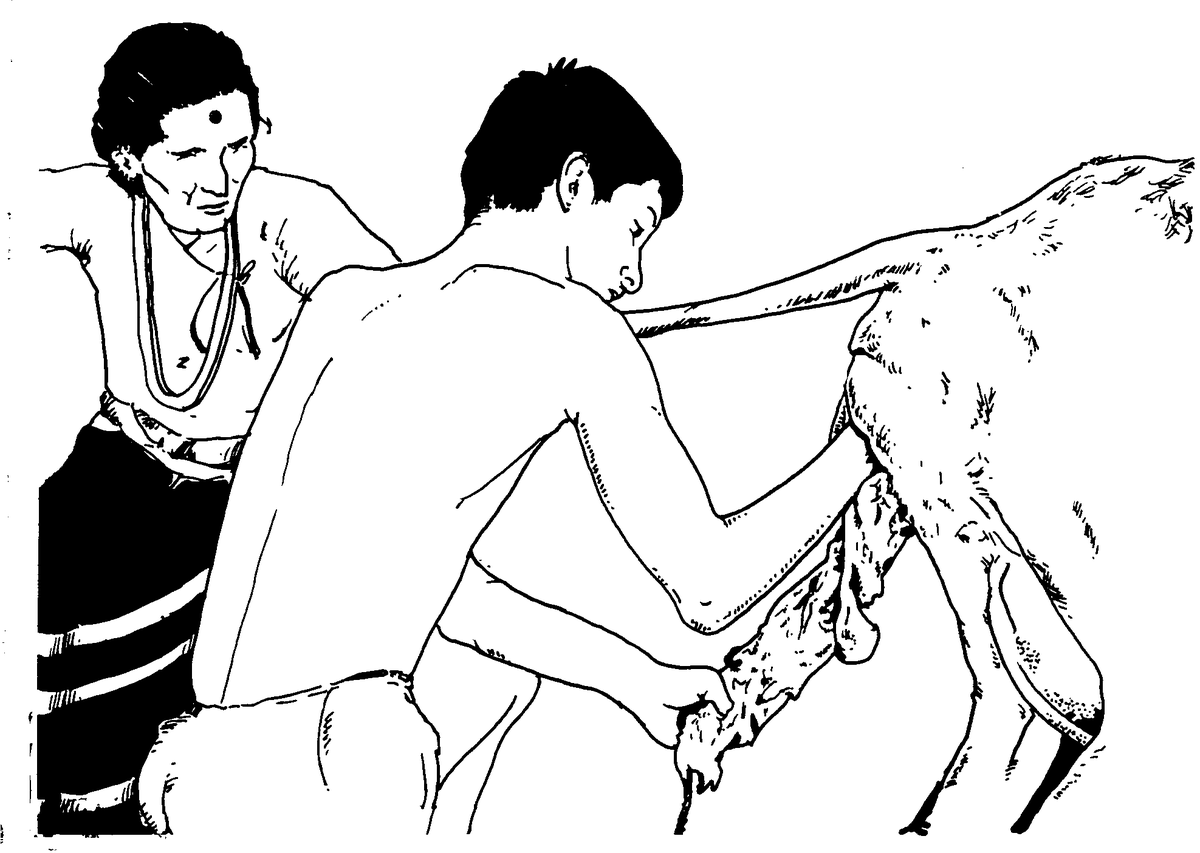
1. Insert your arm as far as possible into the uterus. If the cervix is already closed, then your arm will not go beyond the vagina.
5. Gently detach and remove as much of the placenta as possible. Since the placenta may be slippery, try wrapping it around your finger several times to hold on to it better during removal.
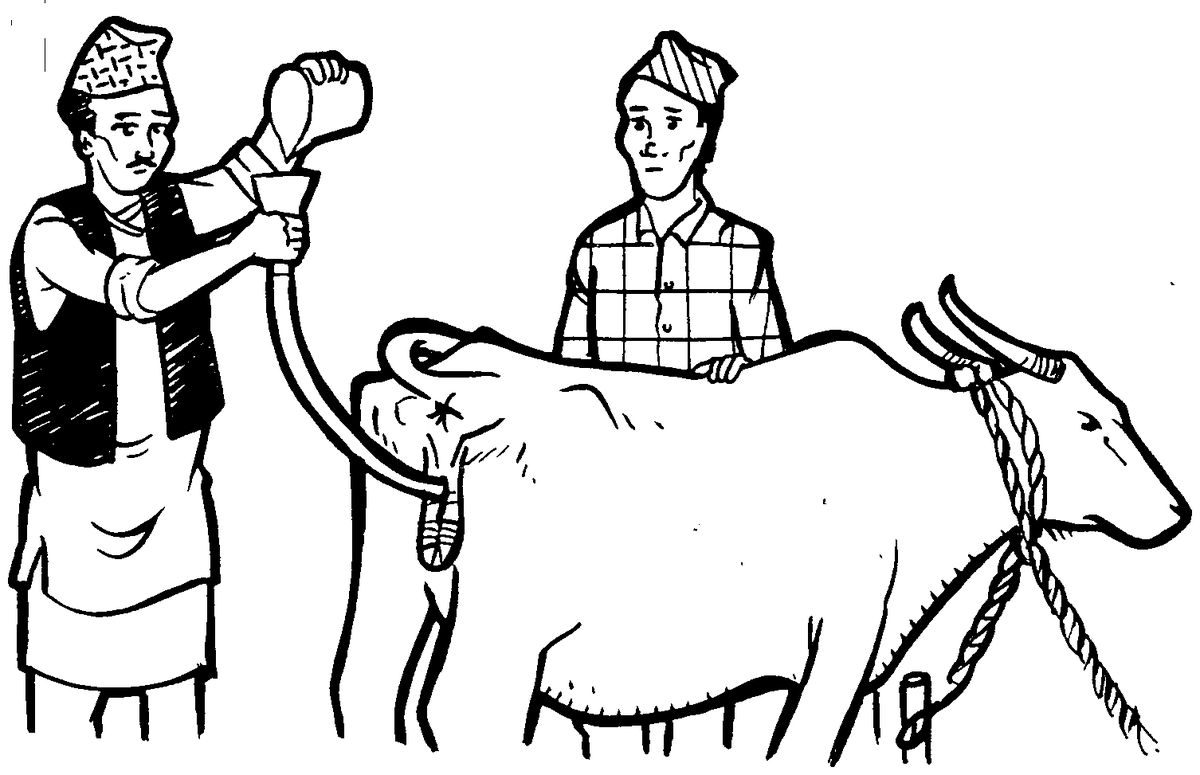
6. Flush the uterus with 1-2 liters of clean, warm, soapy water or disinfectant solution such as Potash, Savlon, Iodine, or Chlorohexidine. To flush the uterus, use a 1-meter long narrow tube or hose with smooth edges. If the cervix is open, insert the end of the hose into it. Or, if the cervix is closed, hold the end against the cervix. On the other end of the hose, place a funnel, and pour the solution into the funnel. Wait a few minutes for the animal to push most of the solution back out.
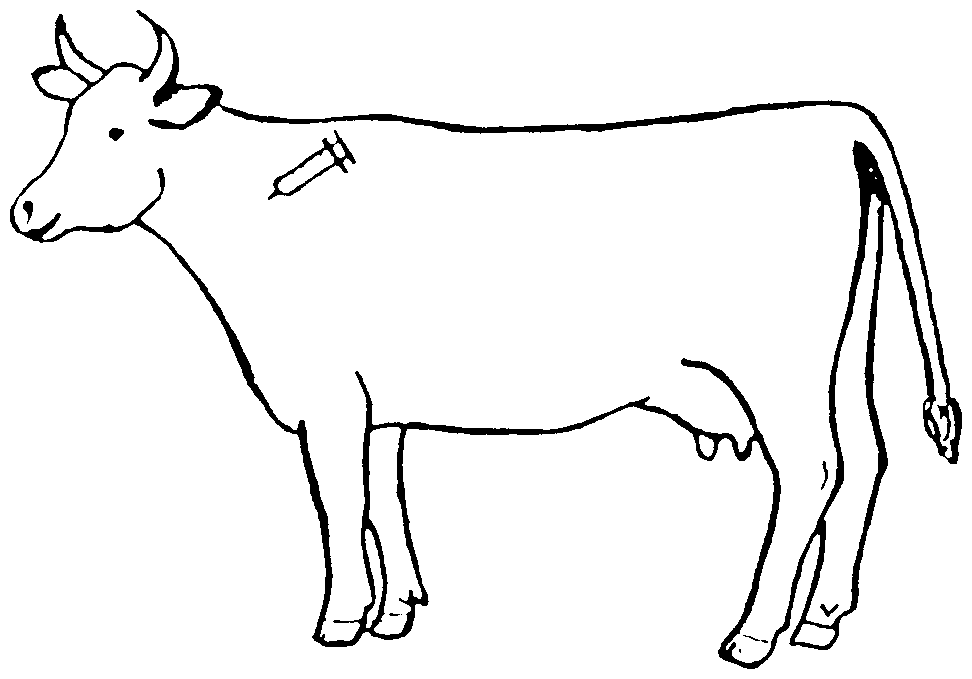
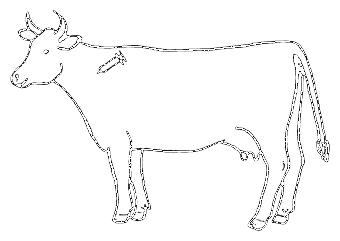
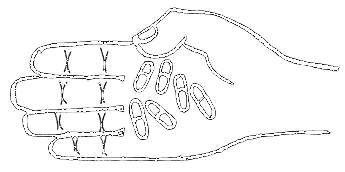
7. Place antibiotic boluses into the uterus. Even if the cervix is almost completely closed, the boluses can be broken up and the pieces pushed through the cervix. Almost any antibiotic will work such as tetracycline, sulfa or furazolidone. See page 151. If boluses are not available, use 6 tetracycline capsules that contain 500 milligrams each (made for humans).
8. Give an injection of antibiotics.
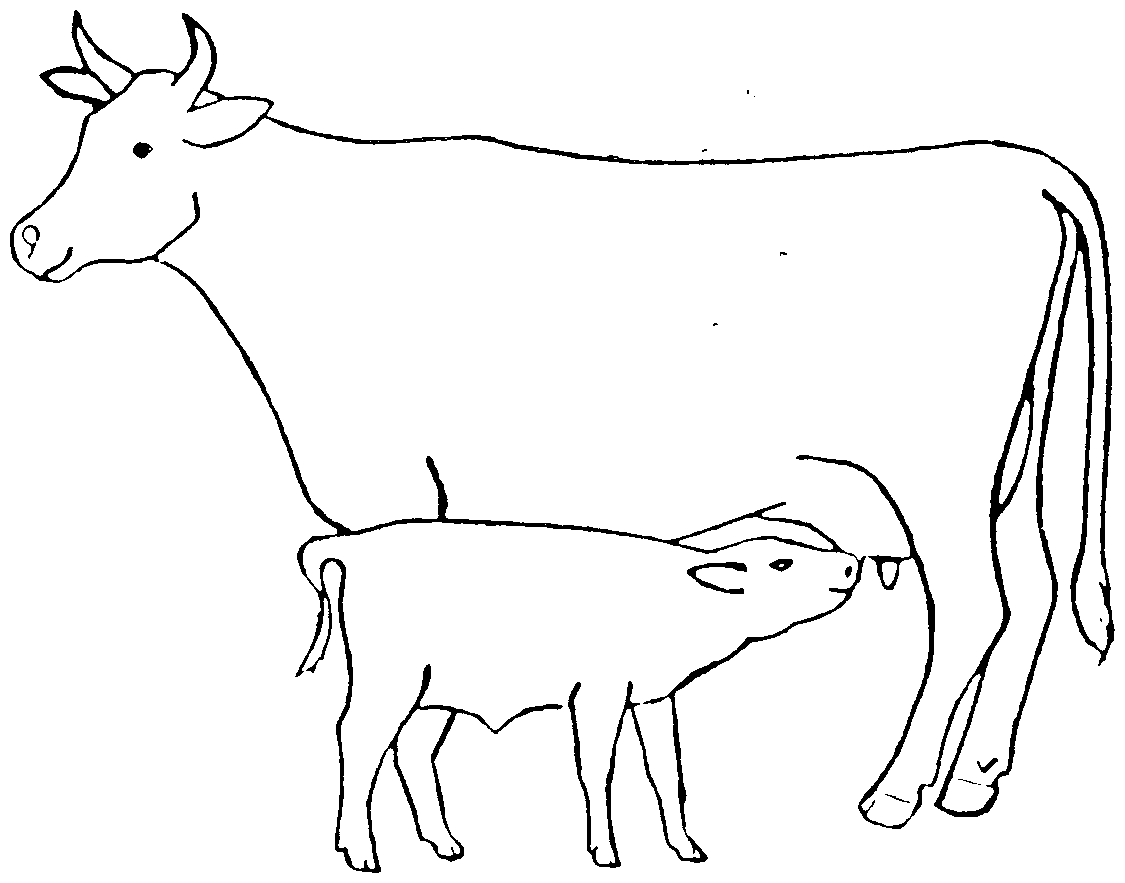
Prevention Allow the baby to nurse immediately after delivery. Nursing will release oxytocin in the mother's body, causing the uterus to contract and push the placenta out. The release of oxytocin also helps prevent a prolapsed uterus. Some veterinary doctors also give an oxytocin injection.
Metritis means an infection of the uterus. There are two types:
Acute metritis, which develops rapidly (usually following delivery), and can make an animal very sick.
Chronic metritis, which lasts for a long time and doesn't usually cause severe illness but can lead to infertility.
Metritis can be caused by several things:
1. Infections which cause abortions, such as brucellosis or leptospirosis. See page 161.
2. Retained placenta.
3. Contamination of the uterus, often due to unclean conditions during delivery (dirty hands, equipment, bedding).
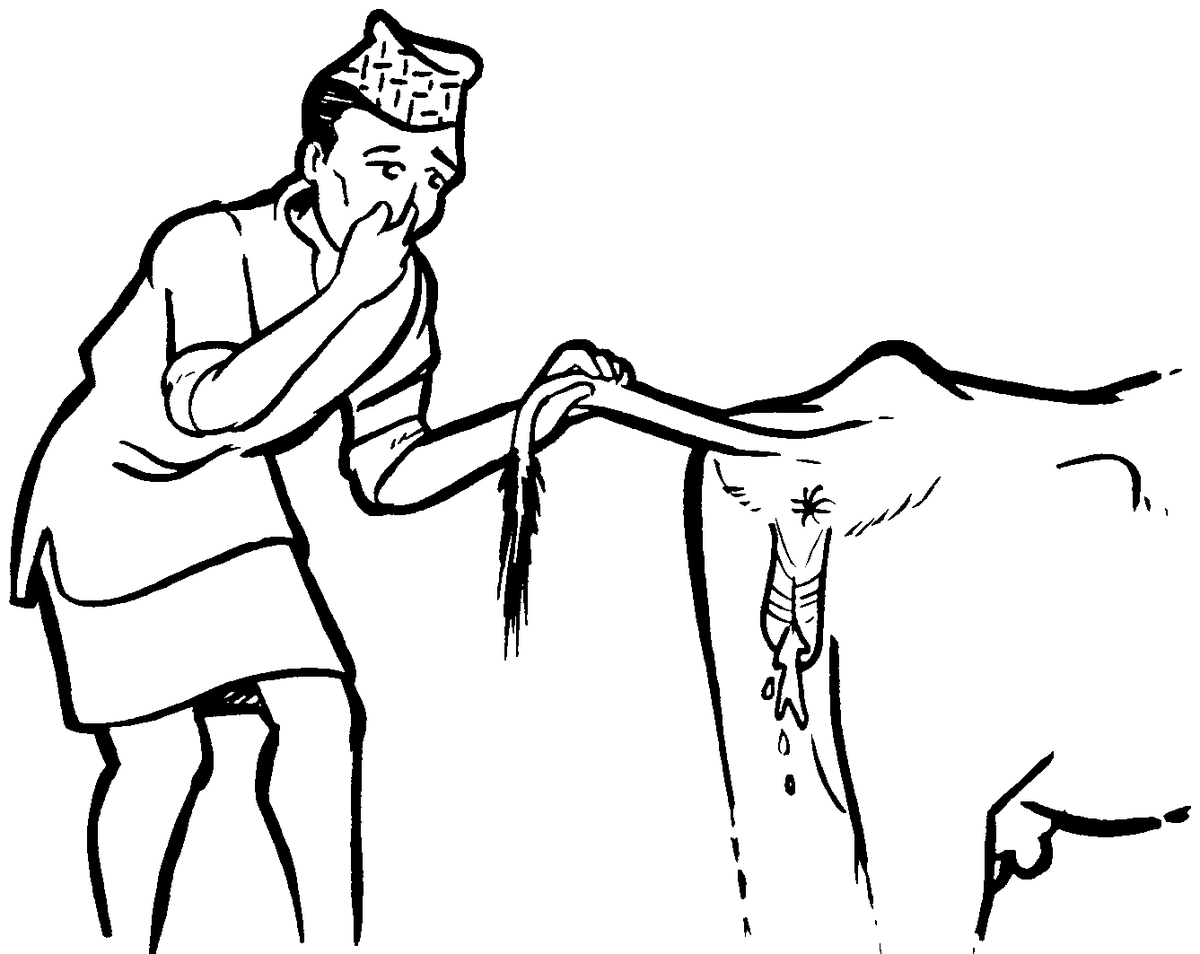
Symptoms Pus or other discharge from the vulva.
Pain in the belly (especially with acute metritis).
Fever (especially with acute metritis).
Lack of appetite (especially with acute metritis).
Infertility (in chronic cases).
Diagnosis:
Based on the symptoms Treatment: An infected uterus is like an “infected wound.” It needs to be cleaned, and antibiotics may be used to control the infection. See intra-uterine antibiotics. See page 151.
Acute metritis, soon after delivery: treat as a retained placenta (clean uterus, insert antibiotics, and give antibiotic injection).
Chronic metritis, long after giving birth: put antibiotics into the uterus using a long pipette (technicians trained in artificial insemination or “AI” know how to do this); or the AHA may simply give an injection of antibiotics.
Alternative: An effective and more natural alternative for treating metritis is to use a prostaglandin injection. See page 131. This brings the animal into heat repeatedly (called “short cycling”) until she is cured. An injection of prostaglandin is given every eleven days from the beginning of her previous heat. The frequent heat periods use the animal's own defenses to treat the metritis.
Note: If an animal has a discharge from the vulva that consists of thick pus, she may have a “pyometra,” a pus-filled uterus, which is difficult to treat. One recommended treatment is to bring her into heat using a hormone called “estrogen.” See page 131. Then once in heat, put antibiotics into her uterus using a pipette. Alternatively, the animal can be “short cycled” using prostaglandins.
Caution: Estrogens and prostaglandins must be handled carefully since they can cause pregnant animals (and humans!) to abort.