Five Groups Of Nutrients
7.2 FIVE GROUPS OF NUTRIENTS
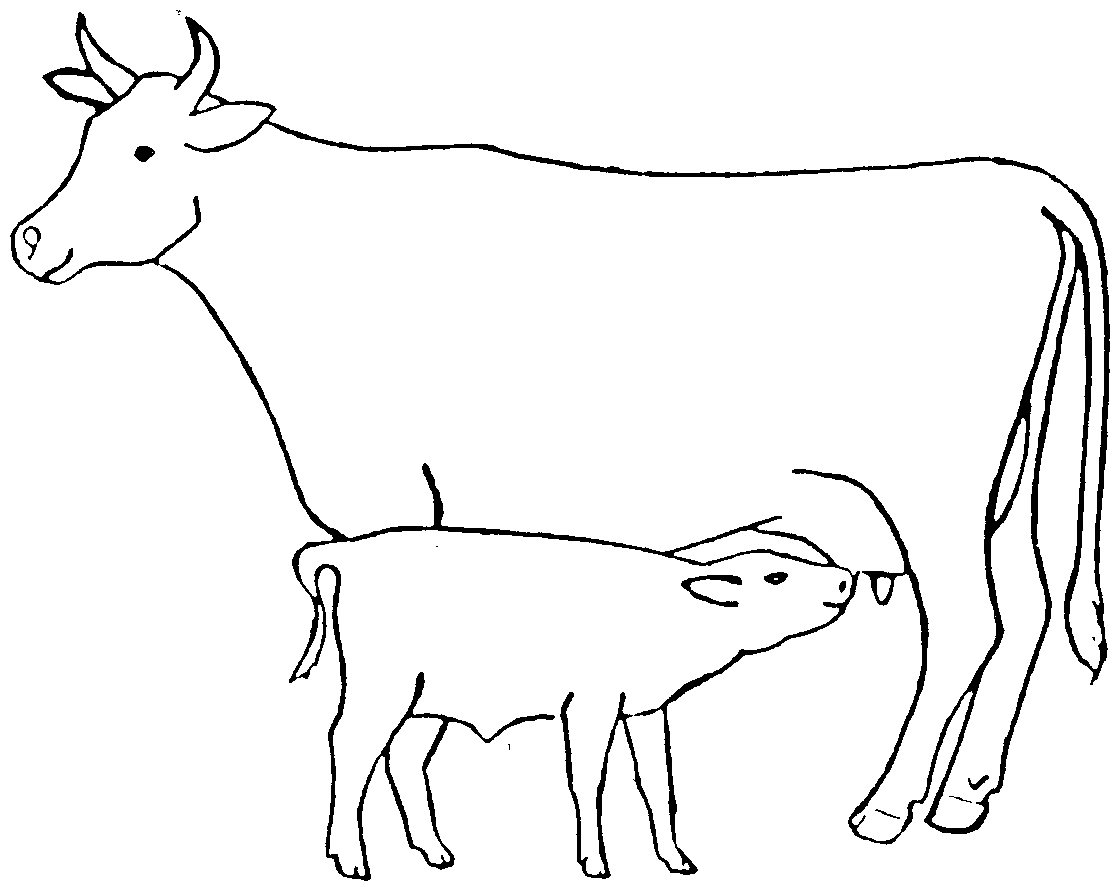
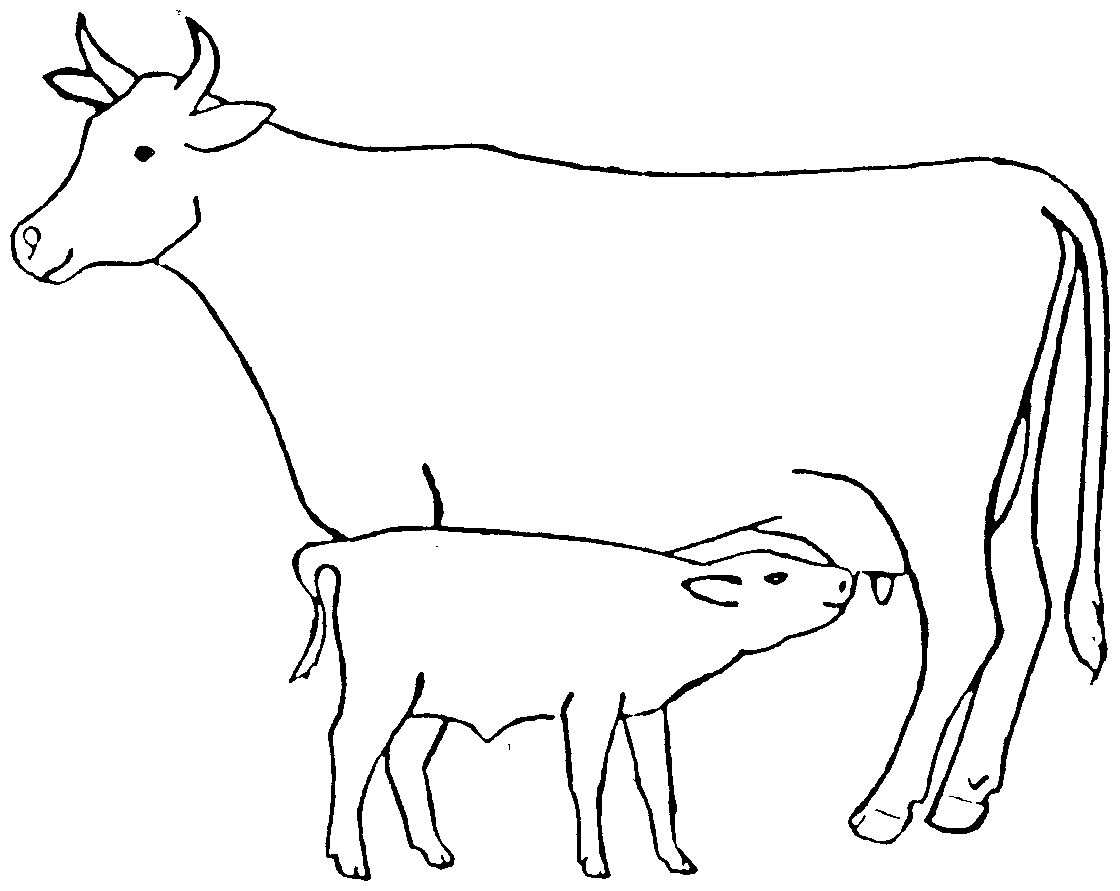
1. Proteins: Body-Building Foods Protein is used by the body for growth and milk production.14 Animals needing extra protein in their diets:
-mothers giving milk -female animals during late pregnancy -young, growing animals, especially after weaning
Foods with some protein:
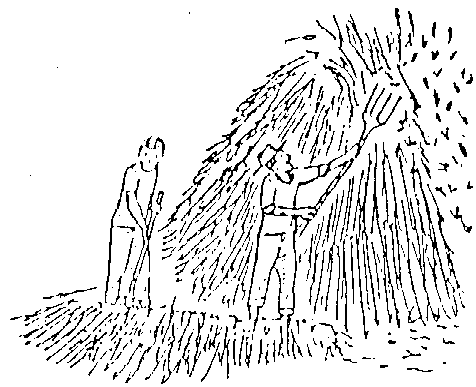
-grass when it is still young and tender (before it becomes mature and makes seeds)
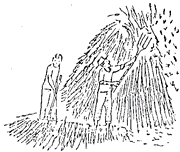
-hay and silage made from grass that is cut when green -grain and grain by-products (e.g. high-quality rice bran)
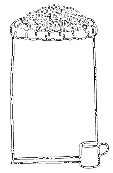
-by-products left from alcohol production Foods high in protein:
-milk and milk products -beans, lentils and their products (e.g. soy bean meal)
-oil seed cakes (e.g. mustard or rape seed cake)
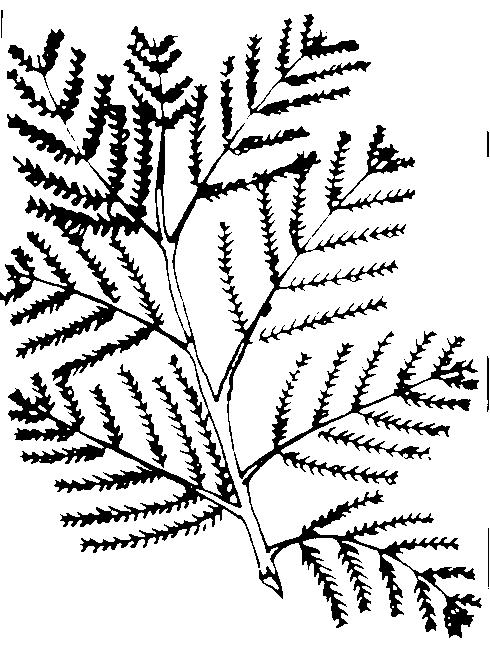
-special “leguminous” forages (e.g. clover, leucaena, and alfalfa / lucerne)
-meat/fish by-products (e.g. blood meal, fish meal)
Protein deficiency:
(Most common among young animals)
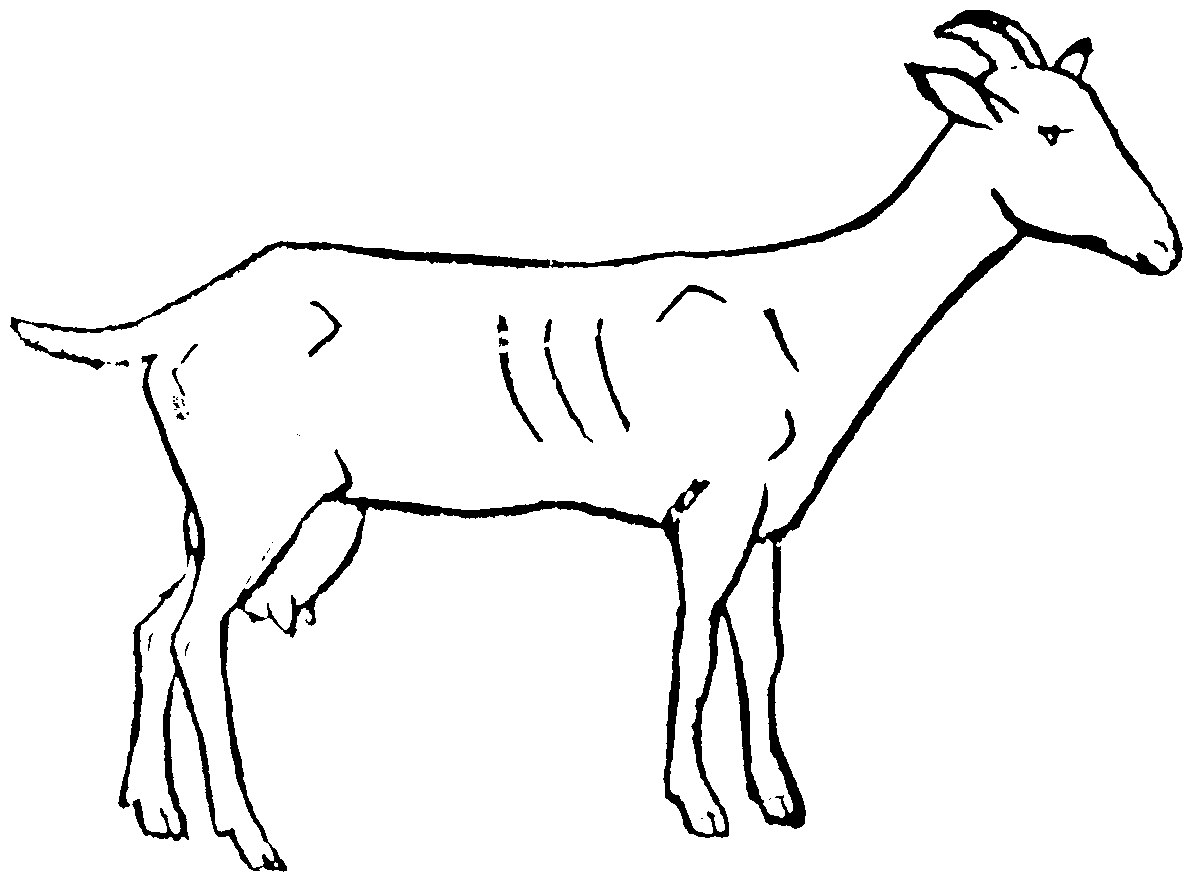
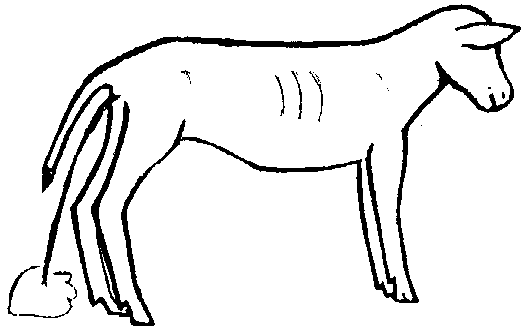
Young animals will be thin and sickly, often have a big belly, big head, and thin legs. They will grow slowly, and have rough hair coats.
Adult animals will give less milk than they should, or give birth to smaller, weaker babies.
Treatment of Protein Deficiency:
Feed protein-rich food!
Prevention of protein deficiency:
Before protein deficiency develops, feed protein-rich feeds to young animals, lactating animals (nursing mothers), and animals during late pregnancy.
Note: Prioritize your more expensive food! Protein-rich foods are more expensive. Reserve this food for animals needing it most - (e.g. young, pregnant and lactating animals).
2. Carbohydrates & Fats: Energy-giving foods Energy is used for daily processes like walking and chewing; as well as for working, growing, making milk and staying warm. When an animal eats more energy than it needs, it stores the extra energy as fat.
Carbohydrates make up the largest part of the diet for most livestock - around 75-80 percent of the total.
Animals especially needing energy:
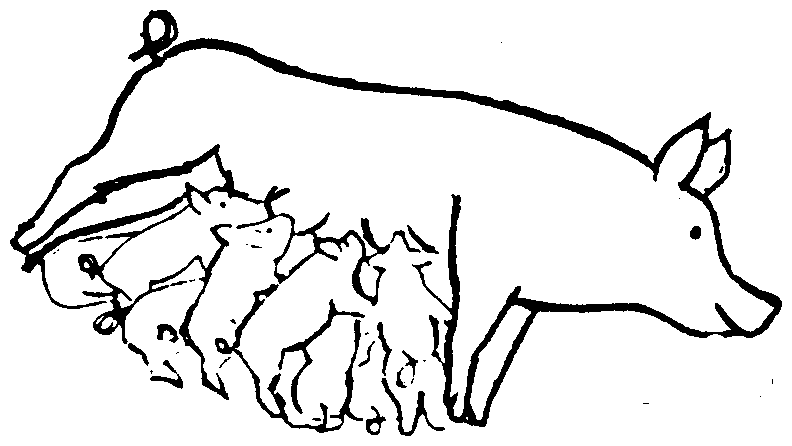
-Milking animals -Growing animals -Animals exposed to cold weather -Working animals15
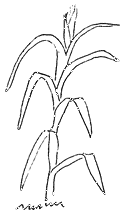
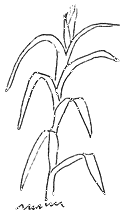
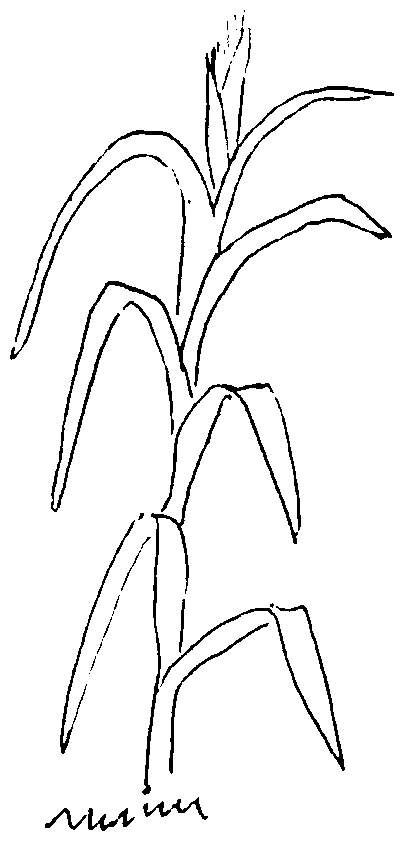
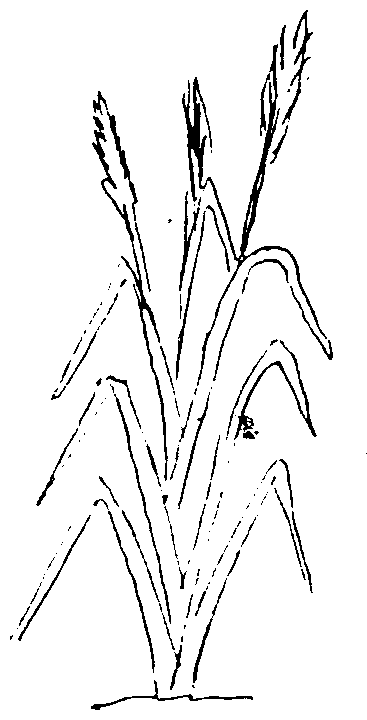
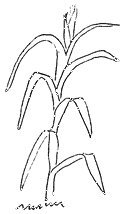
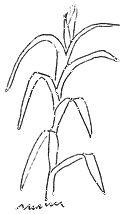
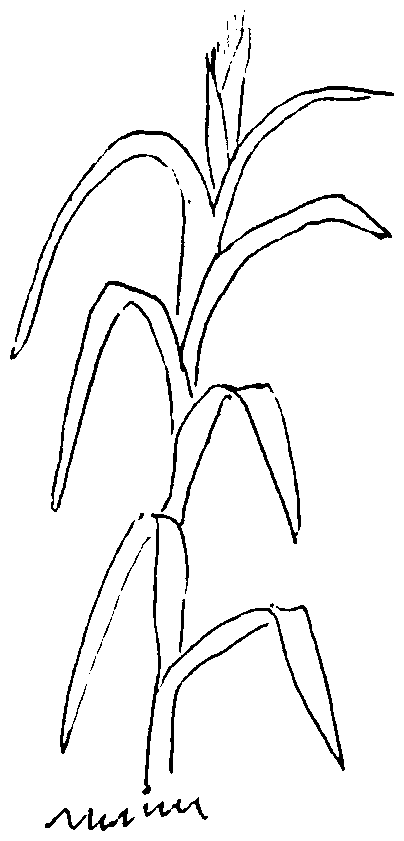
“Energy” is found mainly in:
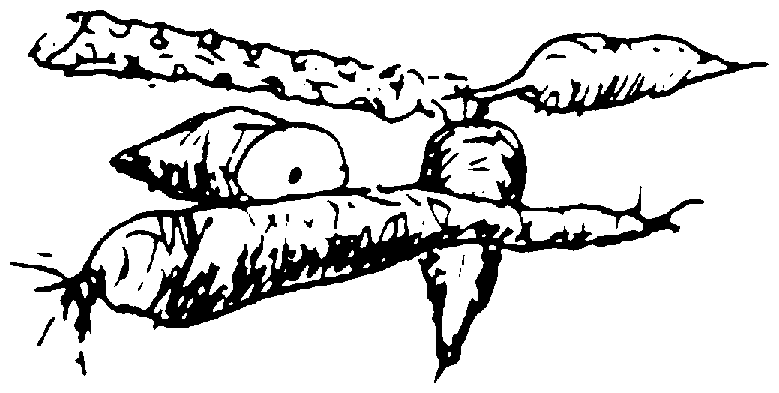
- grains (wheat, wheat bran, maize, and barley)
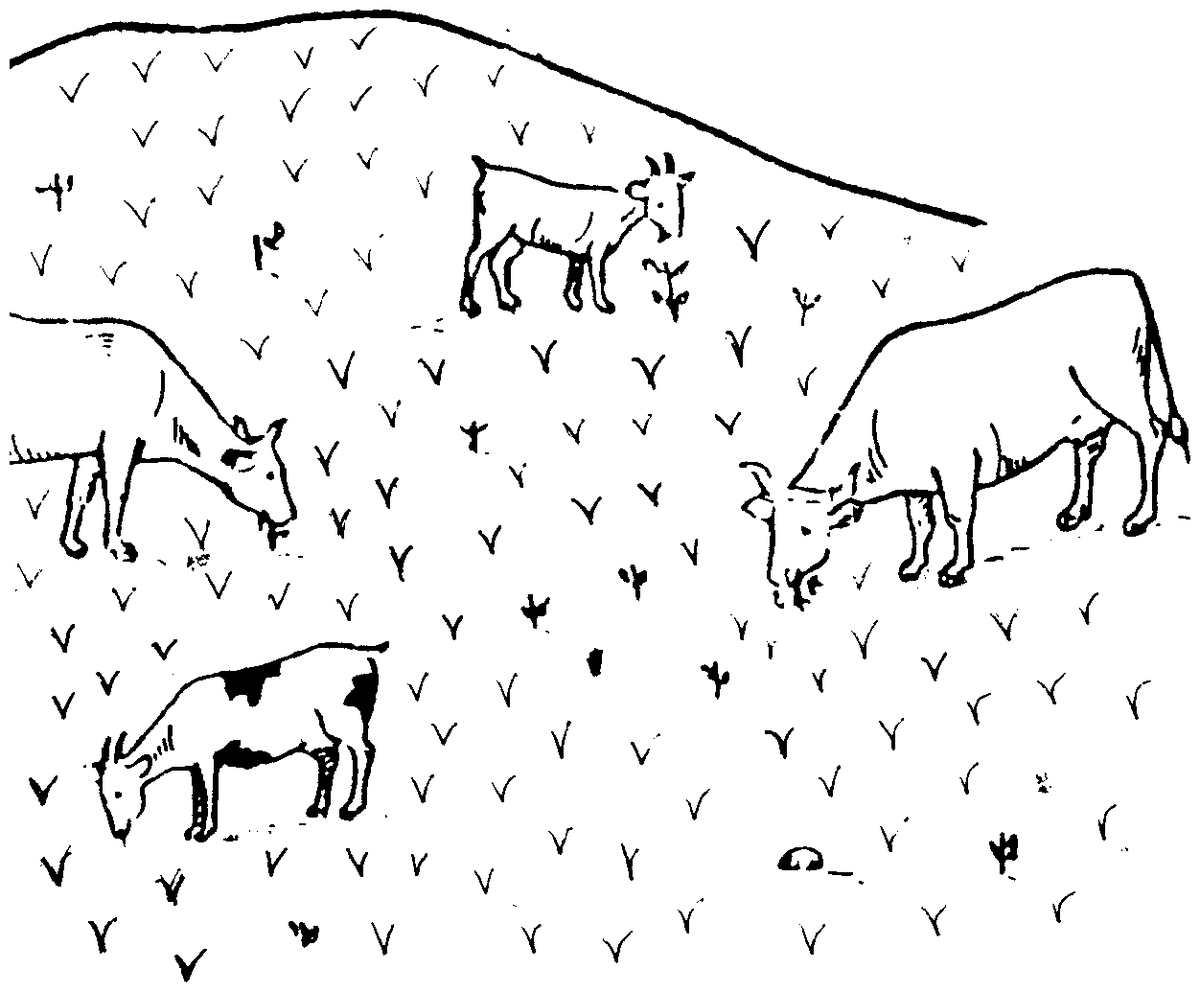
-rice & rice bran -dried & fresh fruit -yams, potatoes & other roots -molasses and other by-products of sugar production -animal fat by-products -by-products from alcohol production -vegetables & garbage -tender, green grass -hay which is cut when the grass is green Important: Old, dry grass, and straw contain only a small amount of energy that the body can use. The energy in most tough feeds, like grass and straw, can be digested only by grass-eating animals.
16
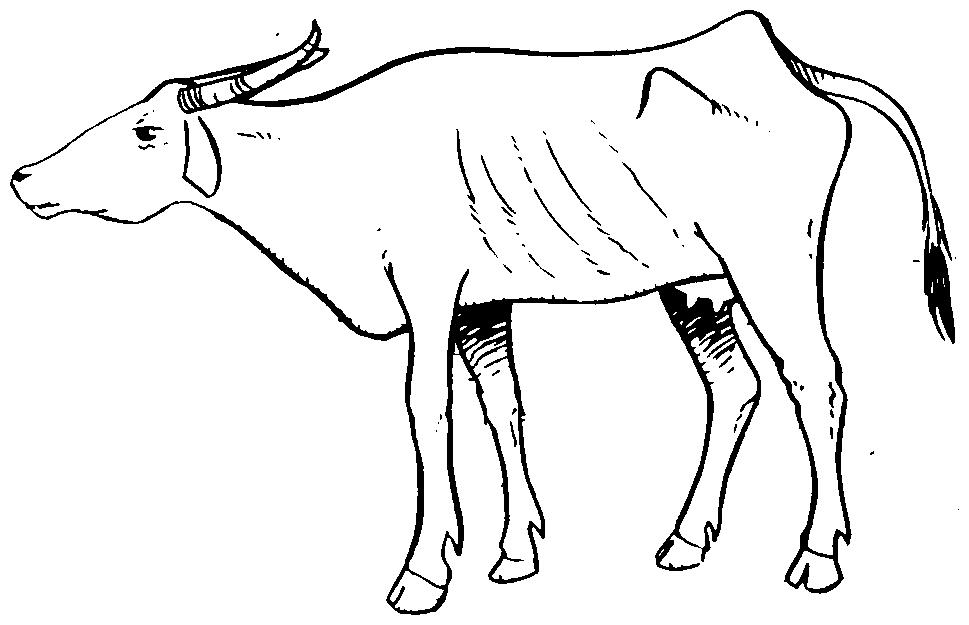
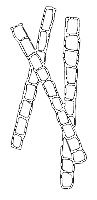
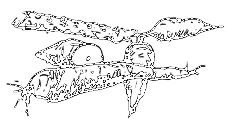
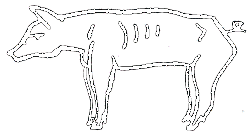
Treatment of Energy Deficiency Feed more food rich in energy.
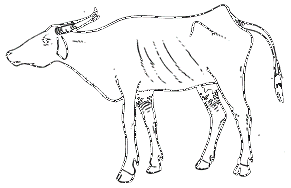
17 Signs of Energy Deficiency - Thin - Low milk production - Adult working animals lack energy Note: Energy and protein deficiency often occur together, in which case the animal has symptoms of both.
18 Prevention: Feed more energy foods to young, pregnant and lactating animals, as well as animals exposed to cold weather before they become thin.
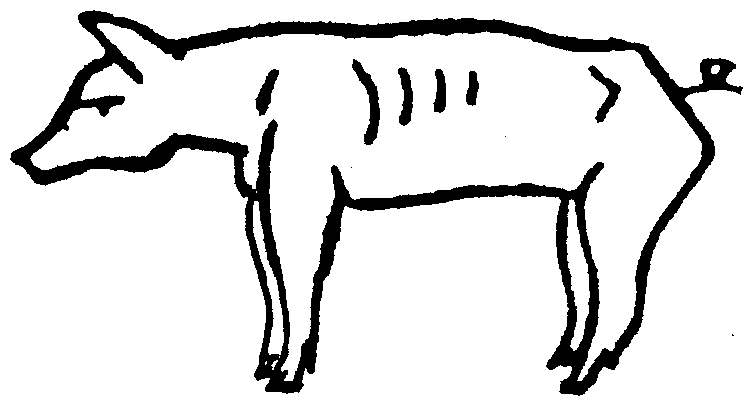
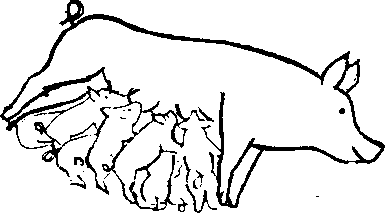
Note: Sows not receiving extra energy while nursing will become very thin by the time the babies are weaned. These sows may be infertile for several months after weaning their piglets.
19
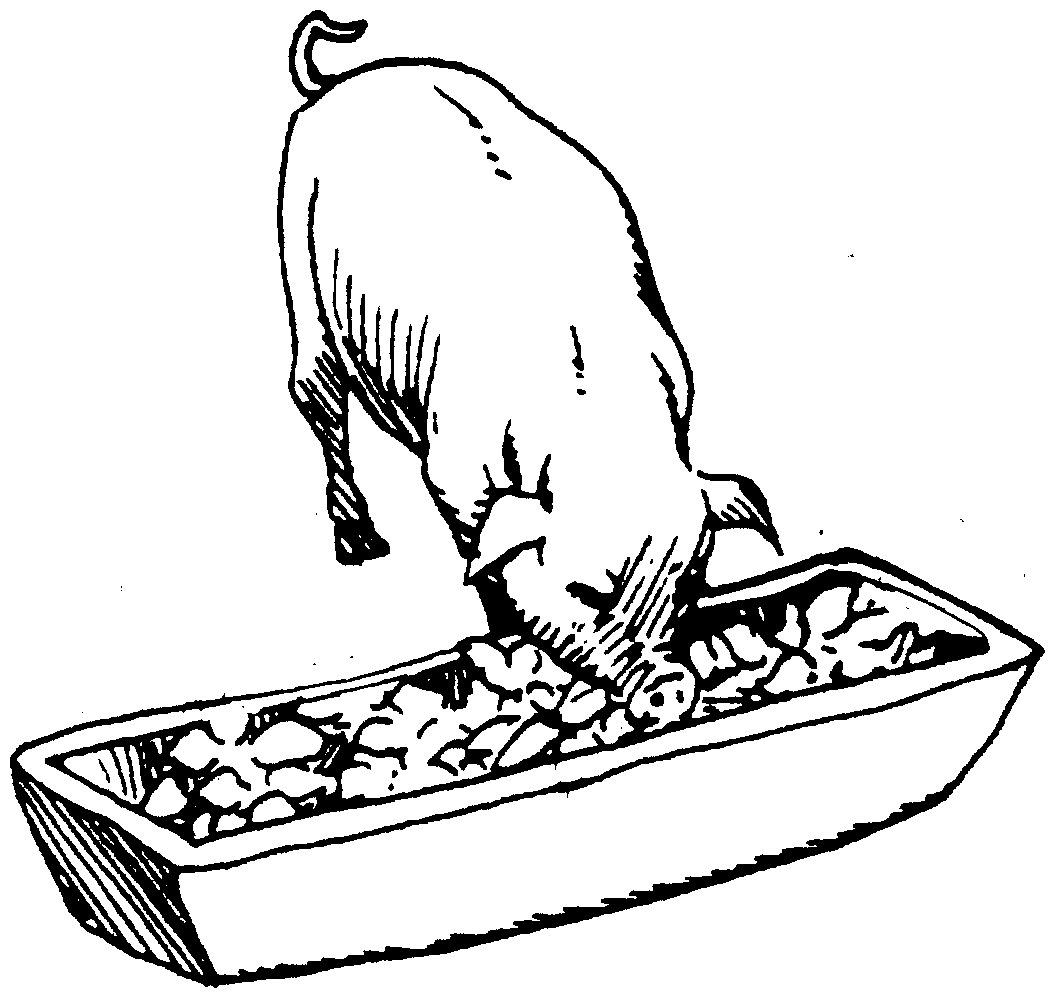
3. Minerals Minerals are necessary for healthy bones and teeth, for normal body functions, and for milk production. All animals need small amounts of ordinary salt for normal body functions.
20
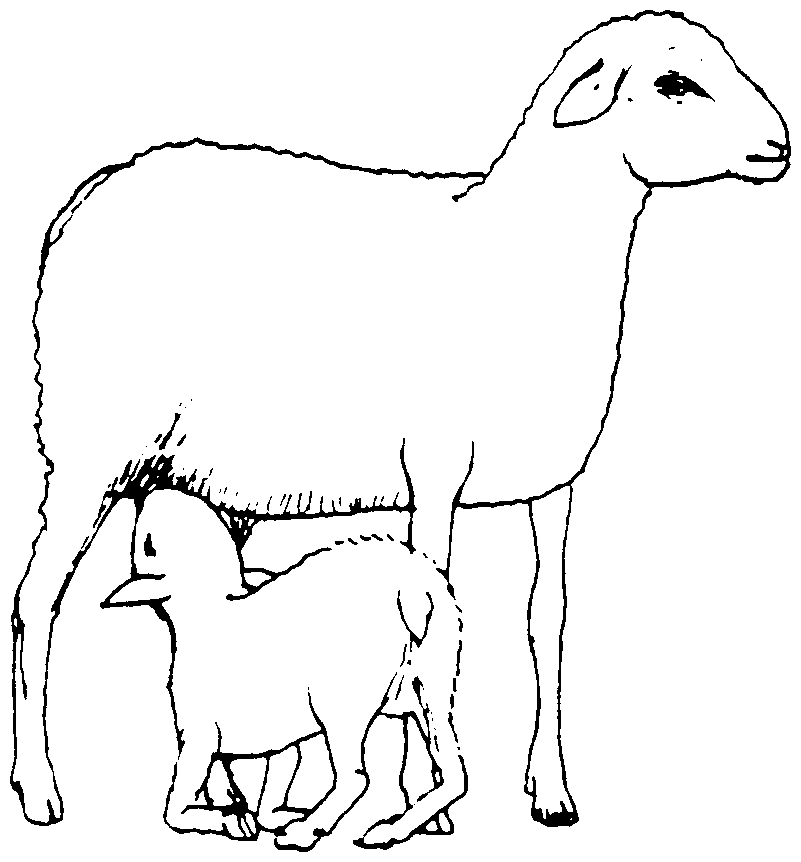
Animals that especially need minerals:
-young, growing, and nursing animals -mothers giving milk 21
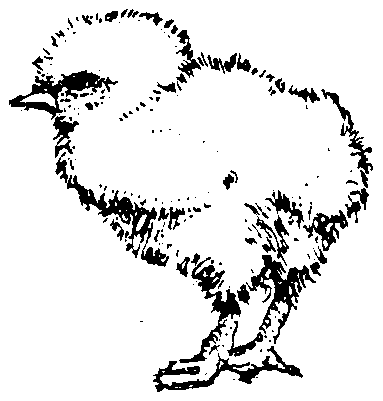
Mineral Sources:
-milk -salt -ground-up bones, egg shells, sea shells -molasses -forages, soil, & limestone -special mineral mixes for livestock Animals eating forages from soils lacking certain minerals will become deficient in those same minerals, unless they are supplied from another source.
Deficiencies occur most when animals receive a single type of food from a single source or graze only in one area.
For example, a lactating sow receiving only grain by-products will often become deficient in calcium. She will become weak, often starting in her hind legs, until she cannot stand up at all.
22 Signs of Mineral Deficiencies - animals lick & chew on anything salty - animals chew on old bones - young animals may have bumps on their ribs or deformed legs - young, nursing pigs may die without an obvious cause (iodine deficiency)
- sows may sit like a dog and not be able to stand up (calcium deficiency)
- nursing cows, especially heavy milk producers, suddenly cannot stand up (calcium deficiency)
- infertility 23 Treatment & Prevention of Mineral Deficiencies Find out what minerals are lacking in the local soils. Phosphorous is often lacking in tropical soils.
Use easily available sources of minerals such as ground bones, shells, and ash. These are often found locally at reasonable prices.
Feed a variety of food or graze in more than one area.
Feed the animals salt, but make sure they have access to adequate water (especially pigs).
Generally, animals will eat only the amount of salt they need.
If iodine deficiency is a problem, then mix small amounts of iodine with the salt.
Do not spend money on expensive mineral mixes unless advised by someone trustworthy. Many shopkeepers sell mineral mixes even when it is not necessary.
24 Caution: Although all animals need some salt, too much salt can be harmful. Never force salt down an animal's throat. Always provide plenty of fresh drinking water to prevent salt poisoning.
25 4. Vitamins: Protective Foods Vitamins are needed in small amounts for growth, reproduction and normal body functions. Vitamins are necessary to protect from diseases and for wound-healing.
26
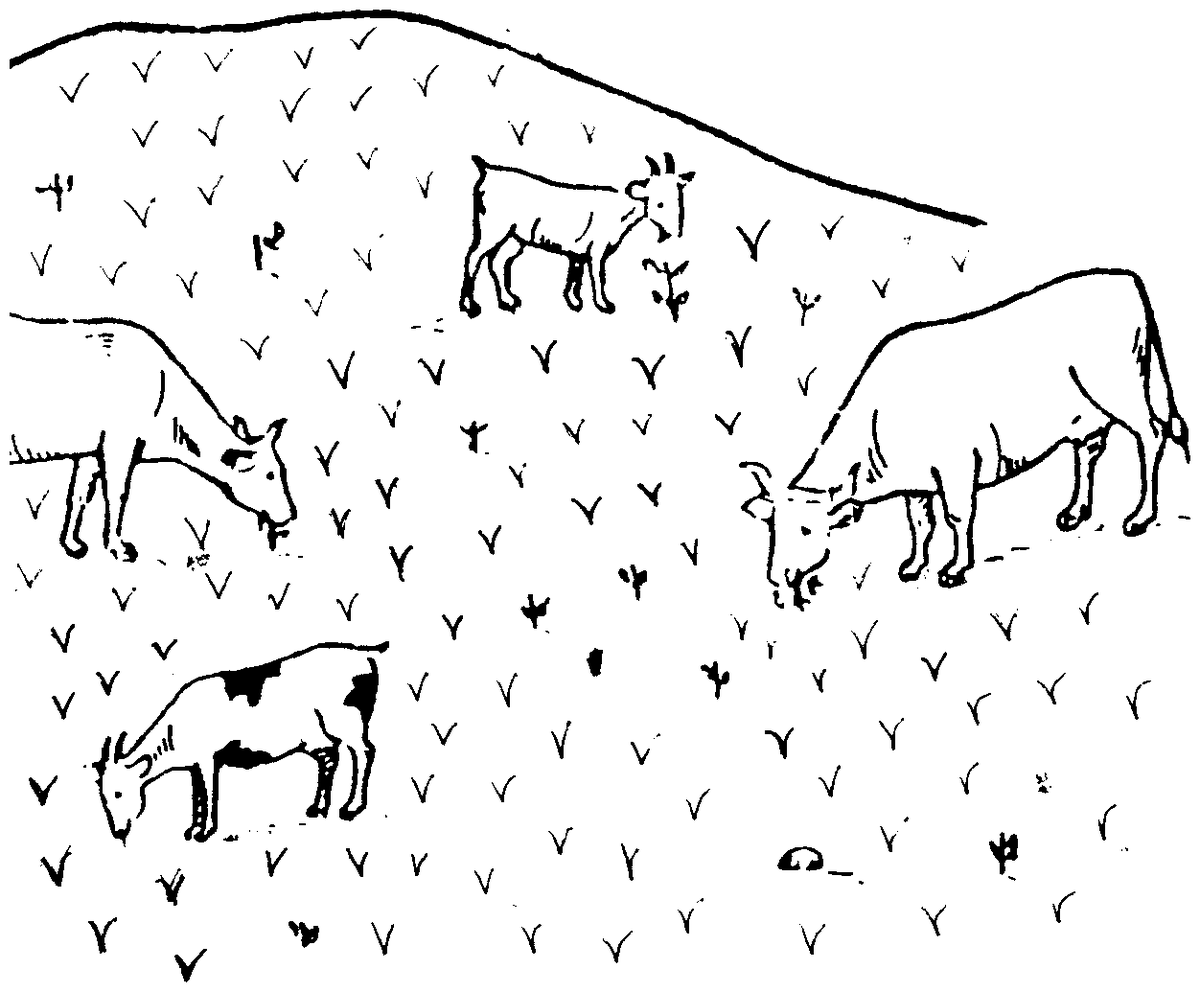
Animals that especially need vitamins:
- Young, pregnant and lactating animals 27
Treatment of Vitamin Deficiencies Unless the animal is unable to eat, it is least expensive to give the animal fresh, green forage to eat.
Inexperienced AHAs tend to give unnecessary vitamin injections to sick animals. This is sometimes due to pressure by the owner for “an injection.”
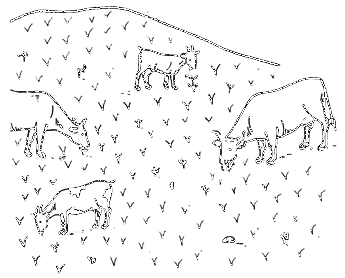
28 Sources of Vitamins -Fresh, green forage -Fresh fruits & vegetables -Protein sources provide small amounts.
29 Signs of Vitamin Deficiencies The signs depend on which vitamin is lacking and which kind of animal is affected. (See Page 311, which lists the most common deficiencies.)
30
5. Water: The Most Important Nutrient A fresh, plentiful, constant source of water is essential for all functions of the body.
Animals needing EXTRA water:
-Sick animals, especially those with diarrhea or vomiting.
-Lactating animals -Working animals -Animals living in hot and/or dry climates.
31
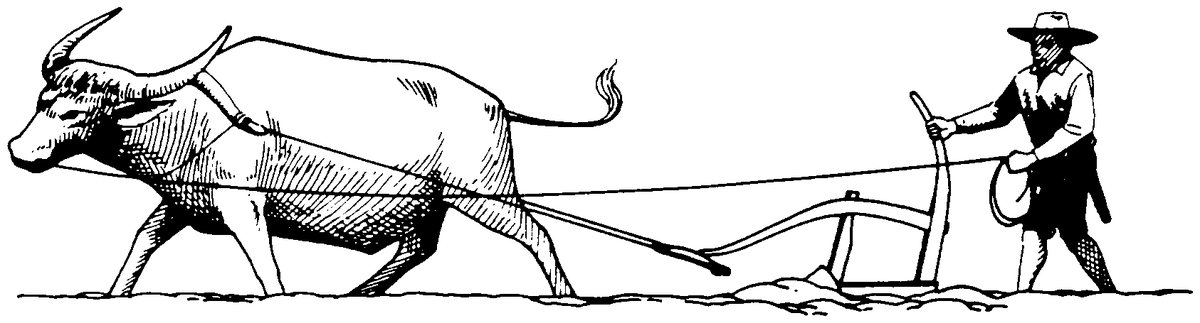
Sources of Water All foods, contain some water, especially fresh, green forage. Although some animals can survive on this amount of water, it is not enough for good health, and production.
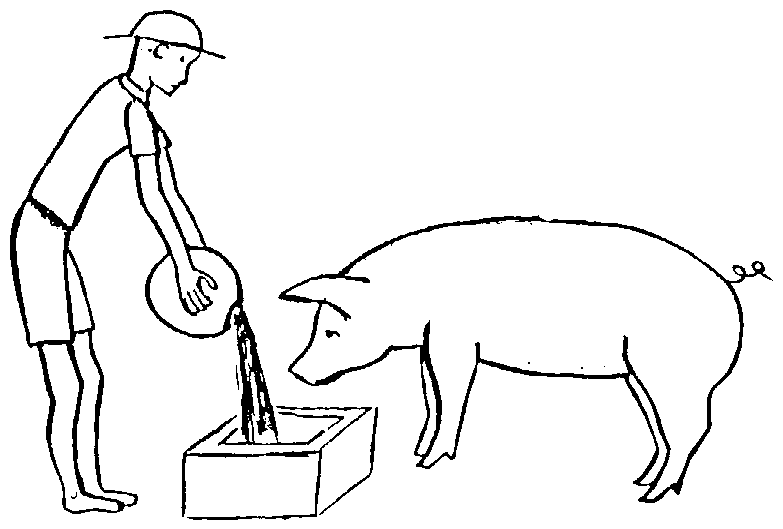
All animals should be given clean, fresh water to drink at least four times daily. When water is given, the animal should be given time to drink as much as it wants. If it drinks all the water, it should be offered more.
The best way to give water is to have fresh water available all the time for the animal.
32
Dehydration/ Water deficiencies Signs of Water Deficiencies For mild deficiencies, the animal may have dark or very little urine.
Animals, especially pigs, that receive salt in their diet but no water may show signs of salt toxicity (neurologic symptoms) and even die.
See Page 49,191,267 regarding dehydration, a severe deficiency of fluid in the body.
33
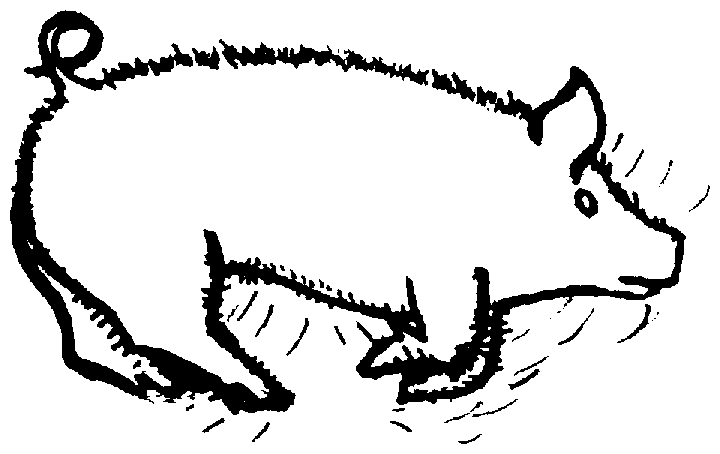
Pig trembling and convulsing due to salt toxicity (lack of water)
Treatment of Water Deficiencies (Dehydration)
For mild dehydration, provide clean, fresh water throughout the day and night.
See Page 268-269, for treatment of dehydration if the water deficiency is severe.
Note: An overheated animal may not drink until it has cooled down. Allow the animal to rest quietly in the shade, and, if possible, pour some cool water over it, particularly its head. Then, offer it water again.
34