Controlling Outbreaks Of Contagious Diseases
6.7 CONTROLLING OUTBREAKS OF CONTAGIOUS DISEASES
"Control" refers to the situation where a disease outbreak has already started but must be contained to prevent its spread. Highly contagious diseases spread rapidly, making control more difficult. Most countries have laws to control animal diseases, if the laws are enforced. The following actions are usually taken to control an outbreak:
| Sick animal isolated from…… | Isolate Sick Animals. |
|---|---|
| ……healthy ones | Separate sick animals from healthy ones to prevent spread of infectious disease. This is called isolation. |
| Avoid as much as possible contact with sick livestock. Do not allow people who have been working with sick livestock to have contact with your healthy livestock, as this may spread disease. When buying new animals, try to isolate them for at least two weeks to verify that they are healthy before mixing them with your healthy livestock. |
Determine how the disease is transmitted.
It is often necessary to determine how the disease is spread in order to implement effective control measures. For example, is the cause a contaminated water source or poisonous plant? Is it exposure to an animal with a contagious disease? Is it transmitted by flies or insects called “vectors”? Sometimes a person trained in "epidemiology" is needed to properly investigate the outbreak and identify the cause of the problem.
Quarantine the affected area.
During outbreaks of certain contagious diseases, the government may declare an area "under quarantine," meaning that no animals can be moved in or out of that area.
| Vaccinate. Use an effective vaccine for healthy, susceptible livestock. The vaccine should be available and affordable. | |
|---|---|
| Properly dispose of dead animals | |
| All dead animals should be buried or burned. |
Disinfect buildings, pens and troughs.
If the outbreak is due to an infectious disease, buildings, pens, and troughs for the sick animals should be thoroughly cleaned, disinfected, and allowed to stand empty for one to three months.
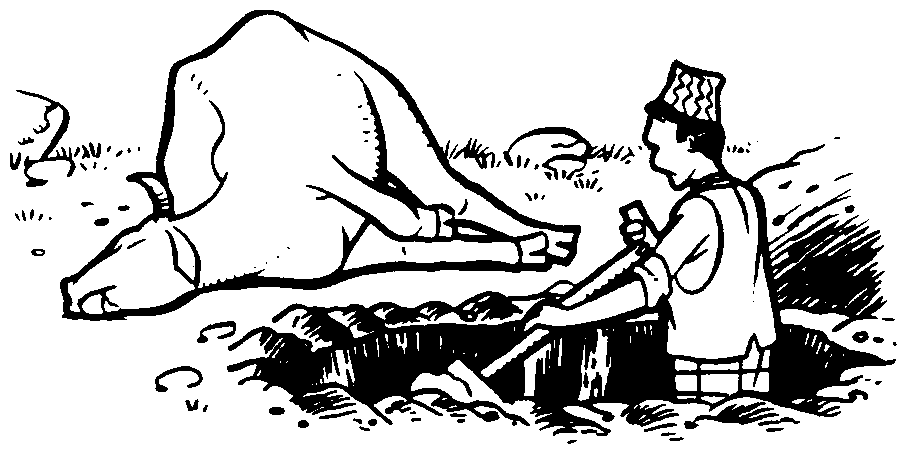
Slaughter exposed or positive animals.
Some governments require that all animals exposed to a particular disease must be killed and their bodies burned or buried; or all animals are tested and those found positive are slaughtered. In some countries, this method of disease control is not possible due to cultural or religious beliefs.
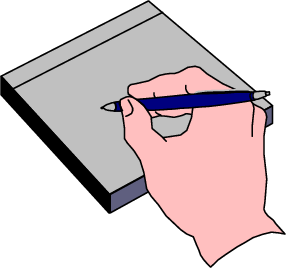
Require health certificates.
Many governments require inspection of all animals before they are transported across borders or to certain destinations. The veterinary doctor or a trained technician inspects the animals and signs a certificate stating that they are healthy. Without this certificate, the animals may not be moved.
Enforce obligatory reporting of dangerous diseases.
Most governments require that certain diseases be reported to the district veterinary officer so that immediate actions can be taken. These are usually contagious, deadly and economically important diseases such as Hemorrhagic Septicemia, Foot and Mouth Disease, Rinderpest, African Swine Fever, Swine Erysipelas, and Newcastle Disease.
Track the epidemic - "DISEASE SURVEILLANCE"
For serious diseases, the government may establish a disease reporting system, called "disease surveillance" to answer the following questions:

1. Which animals are affected and how many?
1. Where are the areas at highest risk?
1. How many are dying?
1. Is the amount of disease increasing or decreasing? Is it seasonal or periodic?
1. With this information, veterinary health authorities can determine the magnitude of the problem and target resources and disease control efforts to areas and animals at highest risk.