Resistance depends on:
6.3.2 Resistance depends on:
1. The overall health of the animal: If an animal is strong and healthy, it will be better able to resist a disease. The overall health of an animal depends on:
Nutrition. See page 97.
Presence of other diseases. Other diseases may weaken the animal making it less able to resist the disease.
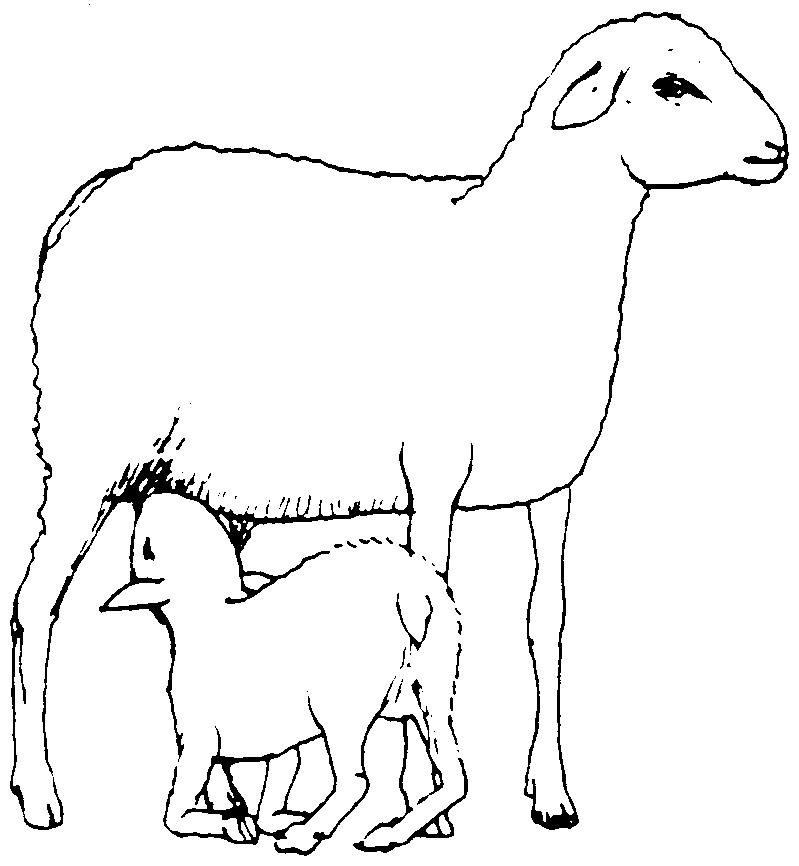
| This animal will be able to resist disease better than this animal! |
Tolerance. Resistance is acquired by certain breeds of animals over a long period of time. For instance, African cattle have thick skin which allows them to resist certain diseases spread by biting insects.
2. The number of infectious organisms: If only a few infectious organisms enter an animal, then the animal may develop a mild disease or none at all.
3. Immunity: Immunity is when an animal develops its own protection against a specific organism. The animal is then said to be "immune" to the organism and will resist the disease. White blood cells protect the body against invading organisms or foreign bodies called "antigens.” White blood cells directly attack and kill infectious organisms or make substances called "antibodies" to do this.
| If an animal has antibodies against the organisms causing a specific disease, then it has "immunity" or "resistance" to that disease. |
|---|
| If an animal has no immunity or other resistance to a disease, then it is “susceptible.” |
| Susceptible animals usually become sick when exposed to infectious organisms. |