Hydatid tapeworm caused by Echinococcus granulosus Hydatidosis
27.7.4 Hydatid tapeworm caused by Echinococcus granulosus - Hydatidosis Echinococcus granulosus is a tapeworm of dogs that causes cysts in humans, goats, pigs, buffalo, and cattle (as intermediate hosts). The cystic form of this disease is called “hydatidosis.”
Life cycle:
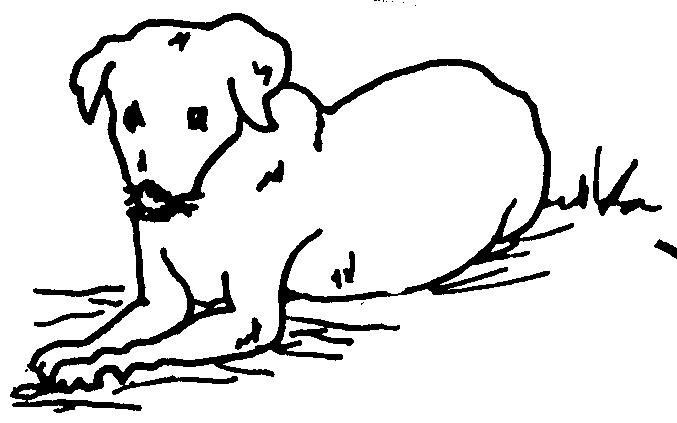
1. The adult tapeworm lives in the dog's intestines and lays eggs, which pass out in the feces.
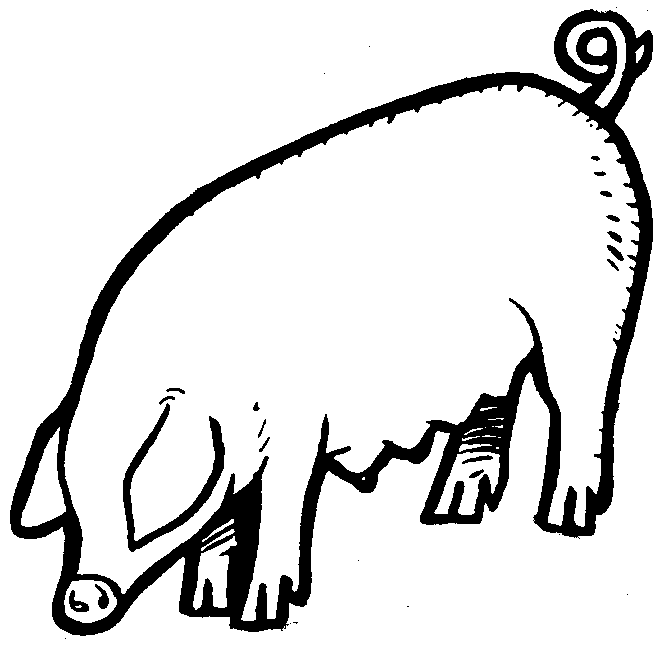
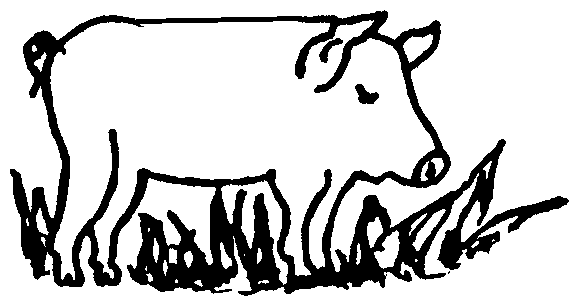
1. Goats, pigs, buffalo, cattle, or humans (as intermediate hosts) may eat these eggs in contaminated food or pastures. The eggs hatch into larvae which then migrate through the animal’s or person’s body and can form large cysts called “hydatid cysts.” The condition is called “hydatidosis.” In some places this is a severe public health problem.
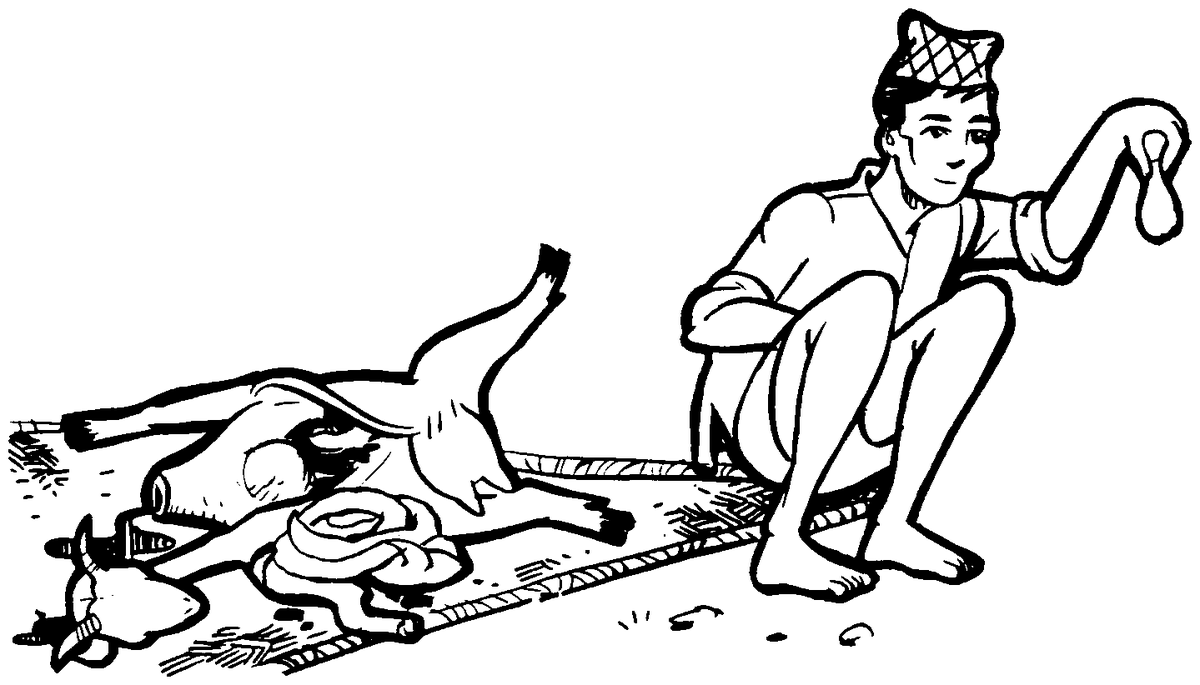
1. A dog eats raw meat contaminated with cysts. In the dog's intestines, the cysts release larvae, which become adult tapeworms.
Treatment:
There is no feasible treatment in livestock. In humans, hydatid cysts are removed surgically and some medicines are used.
Control:
The disease cycle can be broken by the following two methods:
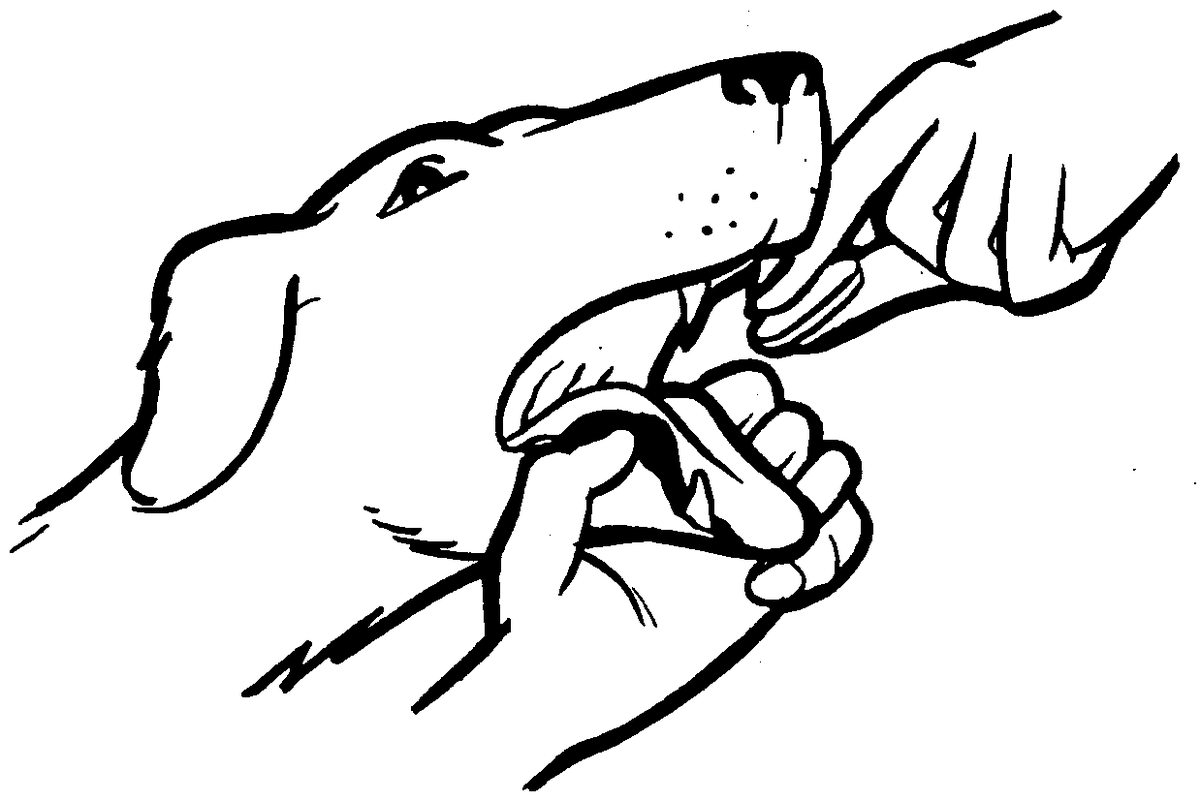
1. Feed all dogs tapeworm medicine regularly. The frequency of treatment depends on the severity of the problem.
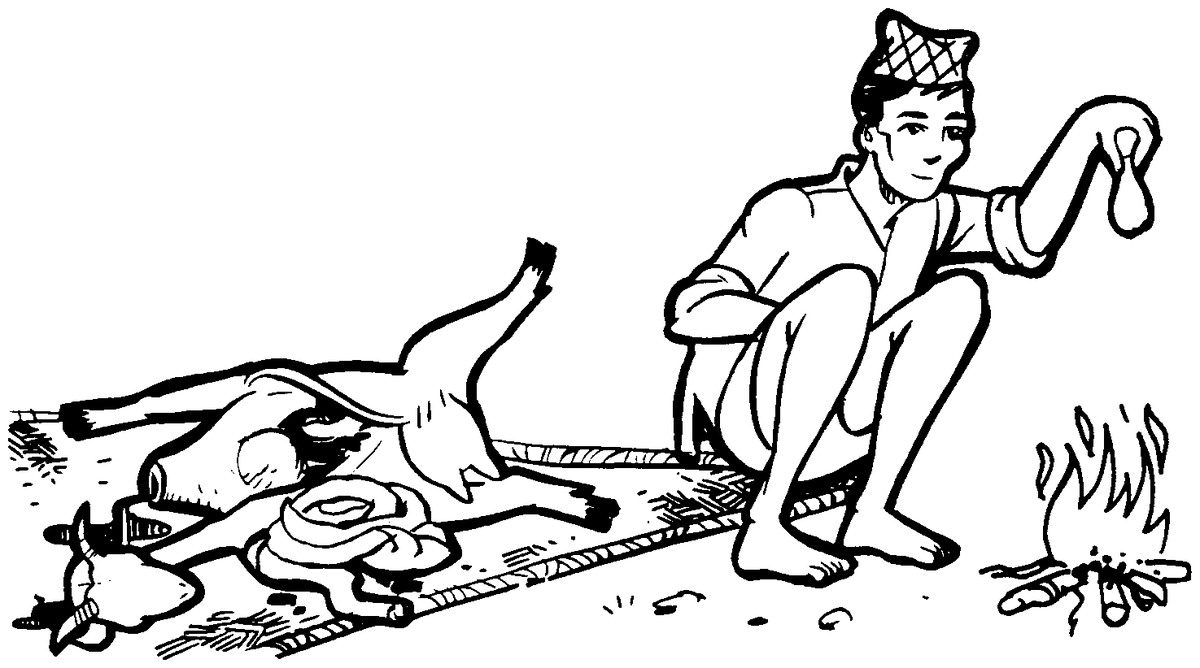
1. Never feed raw meat to dogs. Instead, burn the offal of slaughtered animals.