Mineral Excesses
25.5.5 Mineral Excesses Mineral excesses occur when an animal eats too much of a certain mineral and becomes ill. The most common problem involves salt.
“Salt Poisoning” or “Salt Toxicity”
Salt poisoning due to lack of water An animal can eat salty food with no problems - if it has enough water to drink. Even if too much salt is mixed in the feed mixture, a normal animal will not be harmed because it tends to drink enough water for the amount of salt eaten. “Salt poisoning” occurs when livestock are given salt and do not have enough water to drink. The problem is not really an excess of salt, but a lack of water.
Salt Poisoning due to forced feeding of salt According to local customs, animals in some areas are not fed salt in their food on a regular basis, nor are they given it “free choice.” Instead, each animal is fed a handful of salt about once per month. The salt is forced into the animal's mouth. This causes problems, particularly in working animals or those with inadequate water.
Symptoms General symptoms include no appetite and abnormal behavior.
Pigs with Salt Poisoning Pigs with salt poisoning appear blind and deaf. They sit in funny positions, jerk their heads, and fall down. Eventually, they lie on their sides, tremble, convulse, move their legs back and forth, and die.
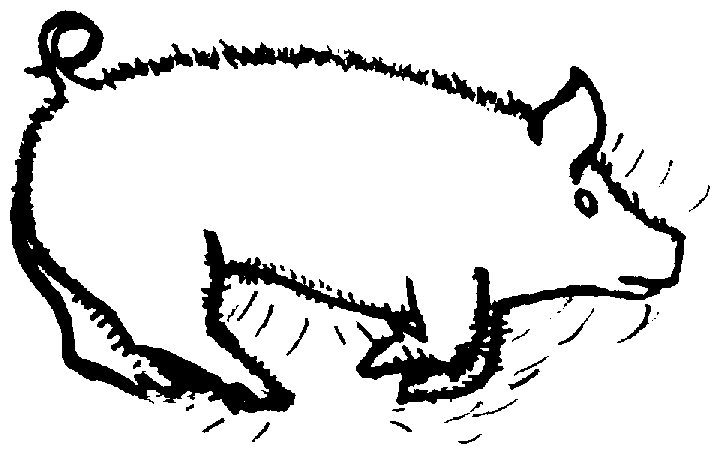
Pig trembling and convulsing due to salt toxicity Cattle with Salt Poisoning Cattle may vomit, have diarrhea and urinate continuously. They may stagger, stumble or drag their hind feet. Working animals, after being force fed, may collapse and not be able to work.
Diagnosis of Salt Poisoning Diagnosis is based on the symptoms, and a history that the animals were receiving salt without enough water; or a history that the animals were force fed salt over the last few days.
Treatment of Salt Excess / Salt Poisoning Give the affected animals fresh water to drink. However, do not give them all the water they want at once, since this may make the symptoms worse. Instead, give small amounts frequently. For example, give a liter of water to an oxen every half hour until the animal is no longer thirsty. Animals with severe symptoms tend to die despite treatment.
Prevention of Salt Excess (and other mineral excesses)
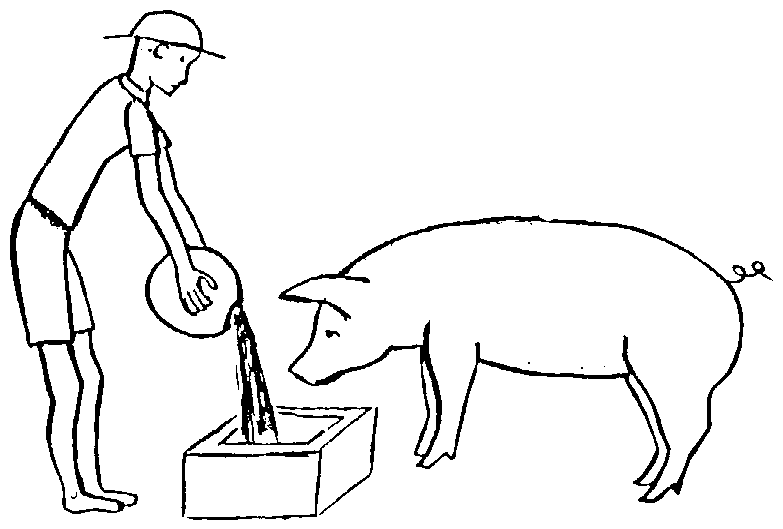
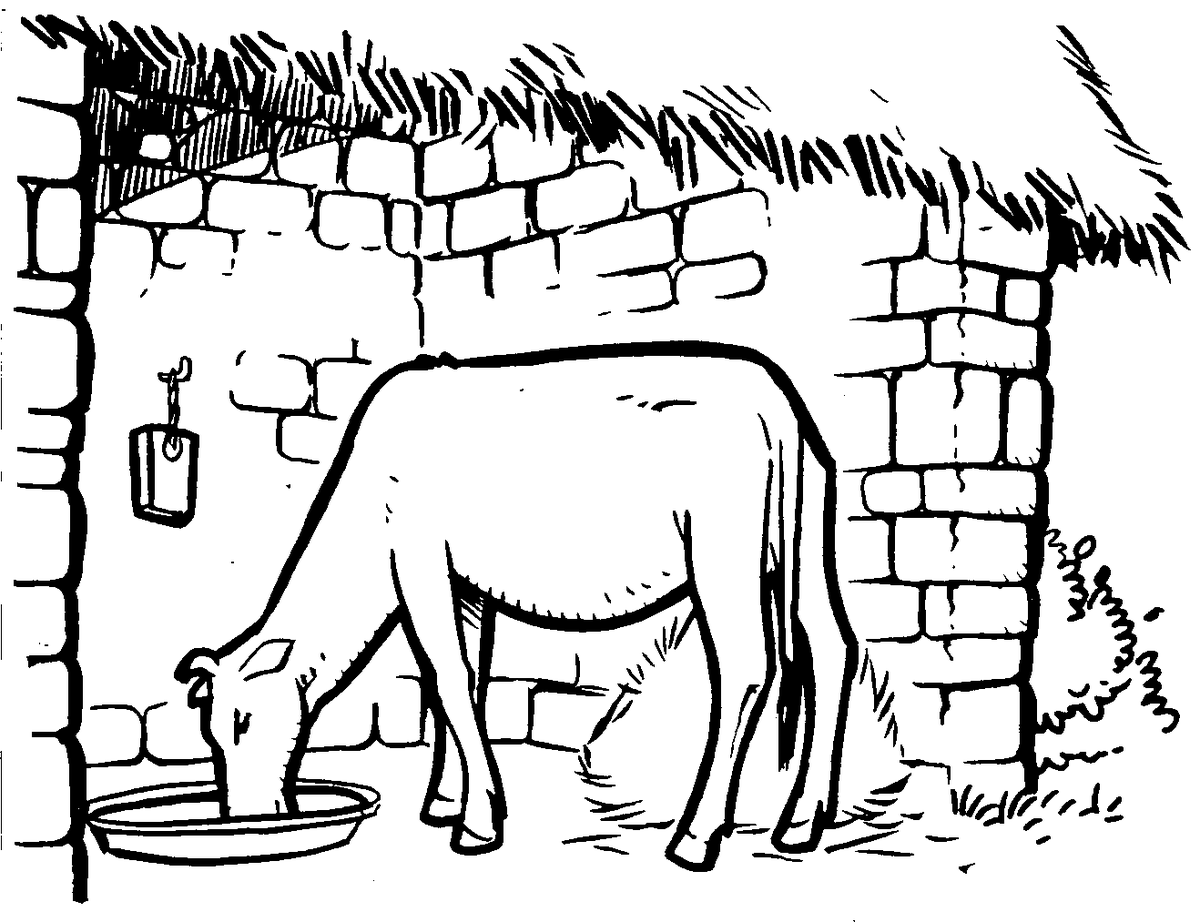
Always provide fresh, clean water “free choice.” That is, have water available at all times for the animal to drink; or provide the animal with as much water as it wants several times daily. Explain to livestock owners the dangers of force feeding salt or restricting water. Owners usually understand if you explain that people do not eat salt all at once; and people are thirsty after eating salt. Livestock are the same.