Calcium and Phosphorus Deficiencies
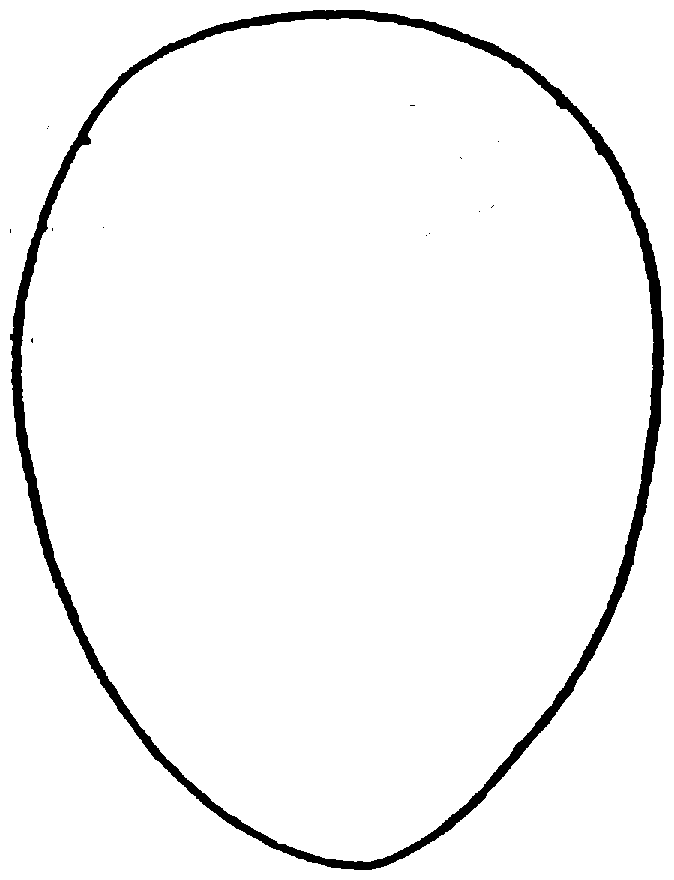
24.2.1 Calcium and Phosphorus Deficiencies Calcium and phosphorus deficiencies usually occur together with a deficiency of Vitamin D. If these three ingredients are not in the diet in correct amounts, the chickens will fail to grow properly. The bones are affected, resulting in “rickets.” Laying hens are unable to stand up, and they lay soft shelled eggs. Hens in cages are especially sensitive to calcium and phosphorus deficiencies.
Symptoms:
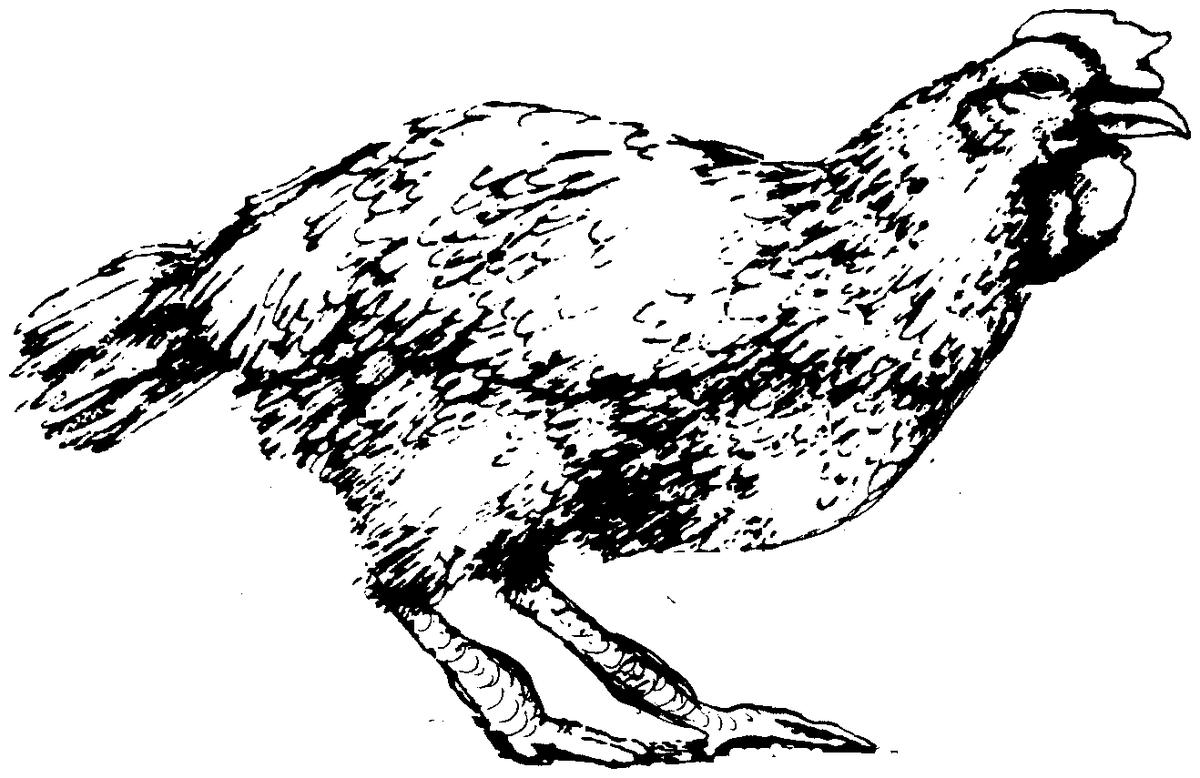
Weak, soft bones (rubbery), lameness, stiff-legged walking, swollen joints, and soft beaks.
Inability to stand, especially in caged hens (called “cage fatigue.”)
Ruffled feathers, poor growth, poor egg Hen with weak legs Soft-shelled egg production, thin or soft-shelled eggs.
Diagnosis:
Based on symptoms, postmortem findings and feed analysis (if available).
Treatment / Prevention:
Remove paralyzed hens from wire cages and put them on the ground or floor; or place cardboard insert on floor of cage until the hens recover.
Buy feed from a reliable dealer who adds proper amounts of vitamin and mineral premixes to the ration.
Add water soluble vitamin D3 to the drinking water.
Oyster shells are a good source of calcium. It can be fed free choice in a separate feeder; or sprinkled on the feed at the rate of one pound (one-half kg) per 100 adult chickens.
Warning: If feed has to be stored for more than one month in a hot environment, it is best to put poultry vitamins in the water following label instructions until fresh feed is available.