Internal parasites
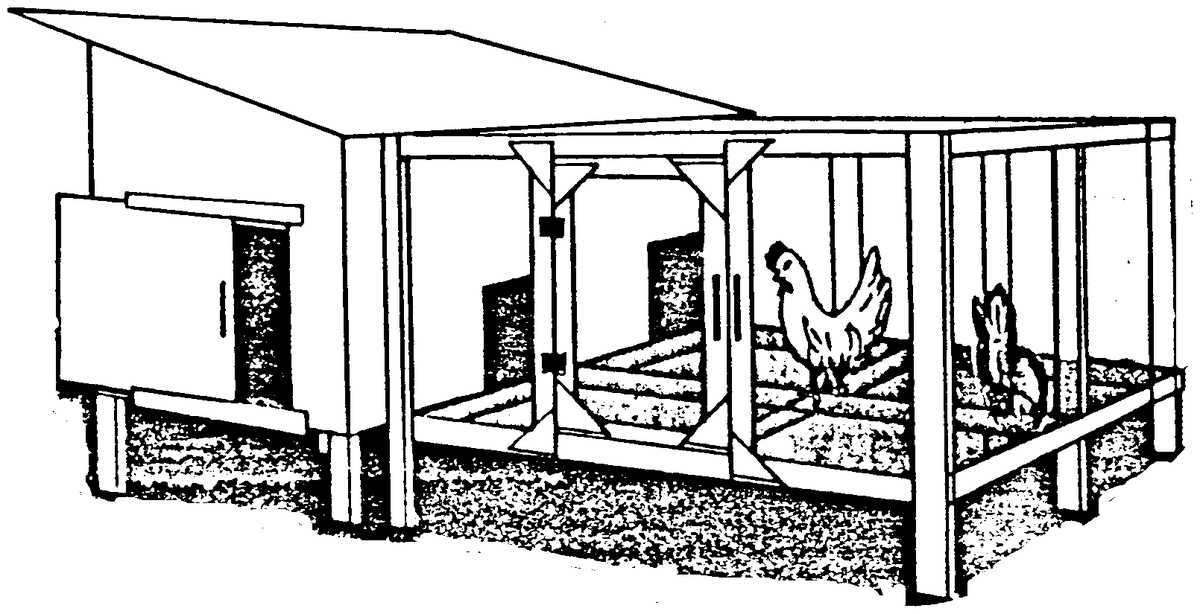
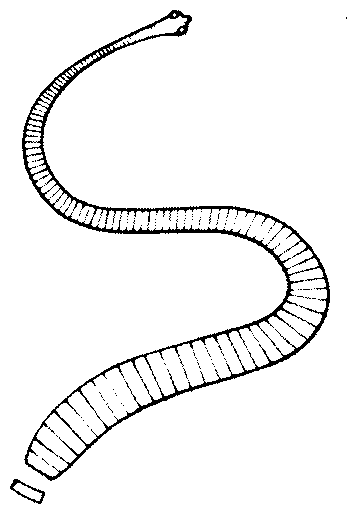
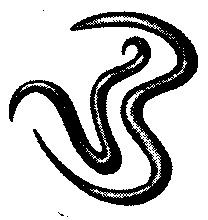
24.1.8 Internal parasites Common internal parasites of chickens include small and large roundworms, and tapeworms. Cecal worms, small worms in the cecum, can also be a problem because they carry the organism causing “blackhead” in turkeys. To prevent the spread of cecal worms to chickens, turkeys should not be raised together with chickens. Many worms are spread when healthy birds come in contact with egg-containing manure from infected birds. Therefore, internal parasite problems are more common in chickens raised on the ground than those housed off the ground on slat or wire floors.
Symptoms:
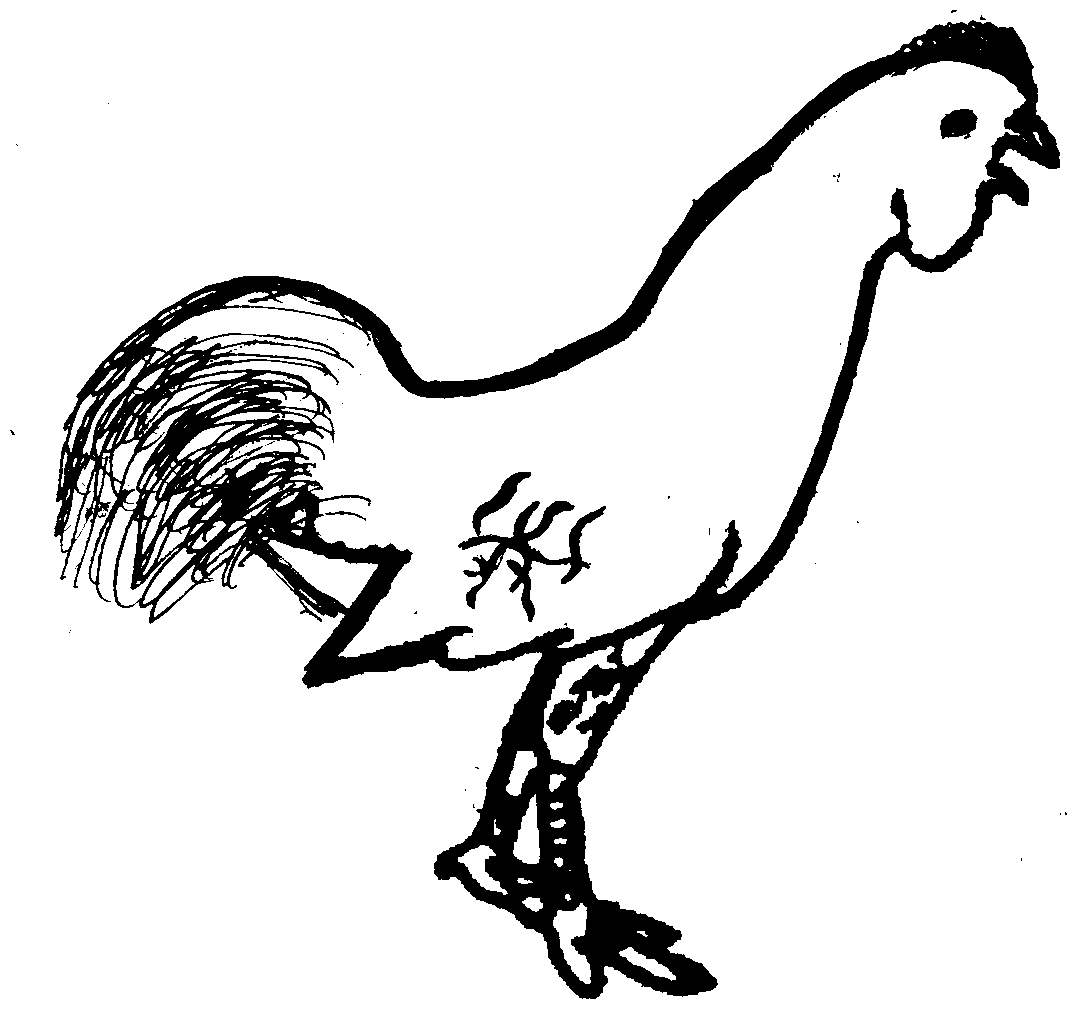
Chickens are thin, and fail to gain weight or lay eggs properly.
Chickens may have diarrhea.
When slaughtering chickens, worms can be seen if one checks the inside of the intestines.
Diagnosis:
Based on symptoms and postmortem findings of worms in the intestines.
Cestode roundworm or cecal worms (tapeworm)
Treatment:
For roundworms, treat chickens every 2 or 3 months with piperazine.
For tapeworms, cecal worms, and roundworms: several herbal medicines, such as Wormal pills, can be given every 2 or 3 months. Wormal kills roundworms, tapeworms, and cecal worms. Note: Piperazine is not needed if Wormal is used.
Prevention / Control:
As with coccidiosis, most worms can be controlled by growing chickens in cages off the ground, on slat or wire floors. This prevents contact with the infected manure from other chickens.