Coccidiosis
24.1.6 Coccidiosis This disease was covered in the parasite section but will be discussed here also since it is a common and deadly infectious disease of poultry. Coccidiosis is caused by protozoa called coccidia. One particular form of the disease occurs when the coccidia live in the cecum (large intestine). This cecal form causes bloody diarrhea and sudden death, especially in growing chickens. Coccidia spread when healthy birds come in contact with manure from infected birds.
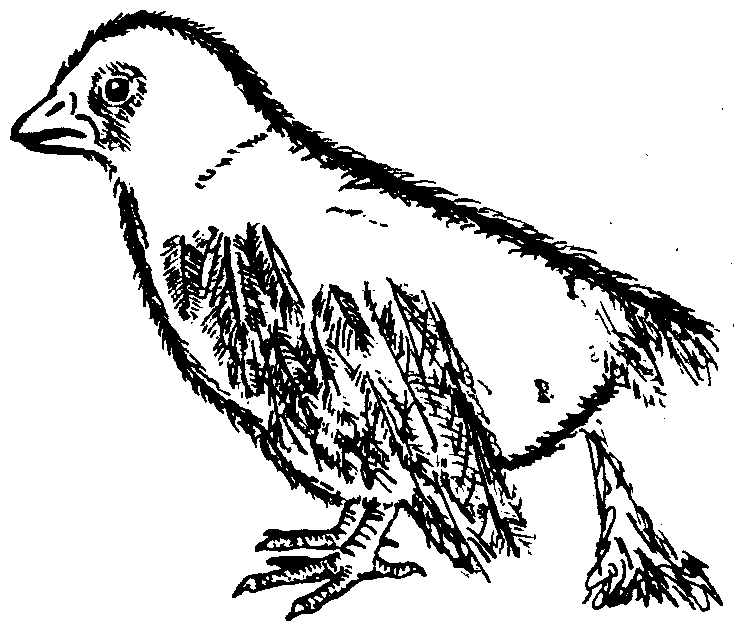
Symptoms:
Red-tinged diarrhea (bloody) and death especially in young chickens.
Depression and decreased appetite.
Poor weight gain and egg production loss.
The comb may look pale.
Postmortem Findings:
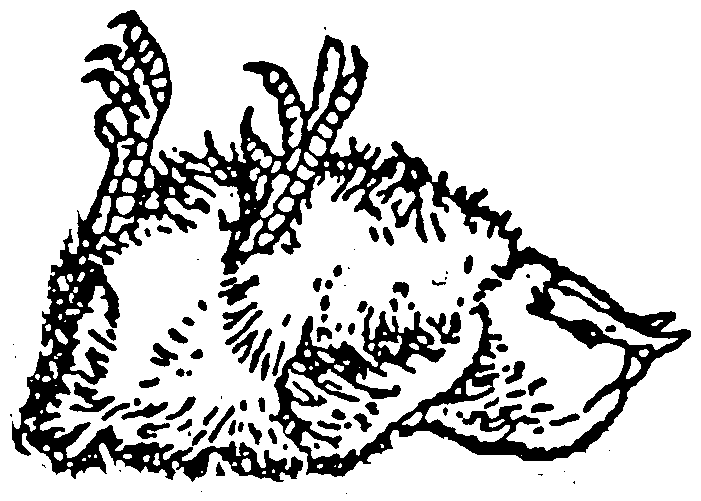
Enlarged cecum containing blood.
Intestine near the cecum appears enlarged and rotten White spots or lines on the intestinal wall.
Microscopic examination of intestinal scrapings show coccidial oocysts (eggs).
Diagnosis:
Based on symptoms and postmortem Treatment/Prevention:
There are several drugs that treat coccidiosis. These include amprolium, sulfaquinoxaline (SQ), and sulfamethazine (Sulmet). Find out which drugs are available in your area and follow label instructions from the manufacturer.
A vaccine called Cocci-Vac may be available in the near future to prevent coccidiosis.
There are several drugs that can be put in the feed or water to prevent or control coccidiosis. These drugs include monensin, lasalocid, and salinomycin.
For broilers: raise only one age group at a time (called an “all-in, all-out program”) and clean and disinfect between each group of broilers.
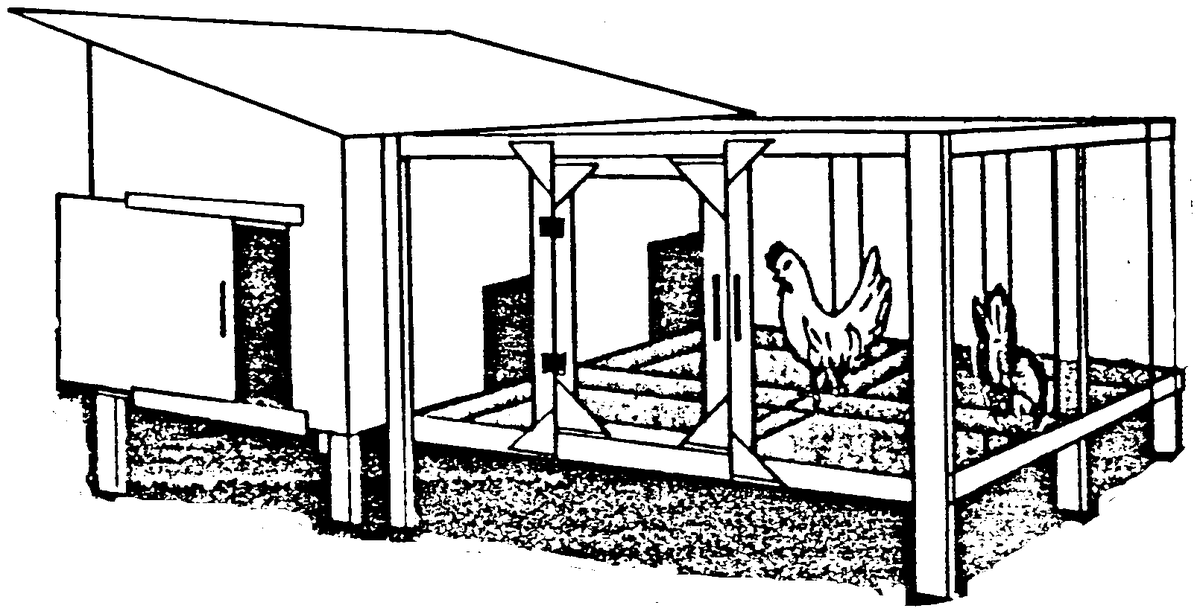
It may be necessary to grow chickens in cages off the ground, on slat or wire floors to reduce coccidiosis infection. Such cages permanently separate the chickens from their manure.
Chickens raised on slat or wire floors, separated from their manure.