Newcastle Disease
24.1.1 Newcastle Disease Newcastle Disease is an acute, deadly disease that affects chickens of all ages. It is caused by a virus. It spreads rapidly, and may kill most of the chickens in the area. The nervous and respiratory systems are usually affected.
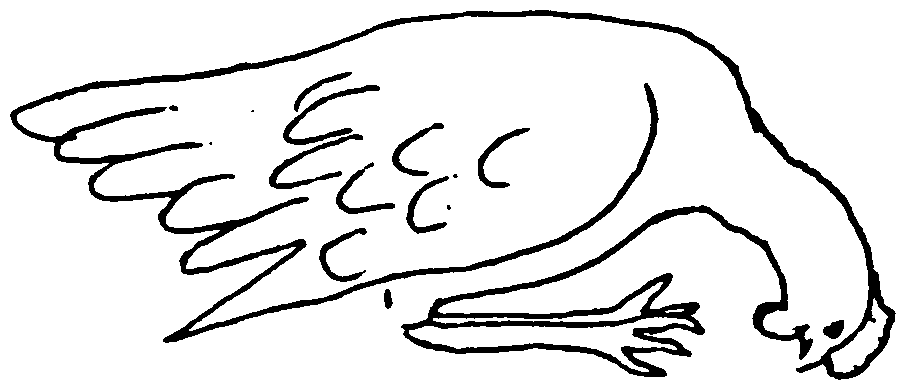
Symptoms:
Fever, depression and loss of appetite.
Swollen head, and sometimes swollen wattles.
Watery discharge from nostrils and eyes with difficult breathing.
Nervous signs such as twisting of the head and neck, paralysis and walk as if drunk, wings relaxed and held away from body.
Green diarrhea which is sometimes bloody.
Sudden death.
Postmortem findings:
Hemorrhage (red spots) and swelling in the wall of the esophagus, proventriculus and any part of the intestines. Particularly typical of Newcastle disease, is hemorrhage at or near the junction of the esophagus and proventriculus.
Necrotic patches (yellow spots), surrounded by inflamed (red) tissue in the intestinal wall.
Hemorrhage in muscles, with fluid buildup in lungs (edema).
Sometimes in a laying hen: broken egg in the abdominal cavity.
Diagnosis:
Based on symptoms and postmortem findings.
No history of Newcastle disease vaccination.
Treatment:
No treatment is effective.
Kill and bury all sick chickens.
Prevention/Control:
Give Newcastle disease vaccine according to the vaccine manufacturer’s instructions (usually at one to four days of age, and a second dose several days later):
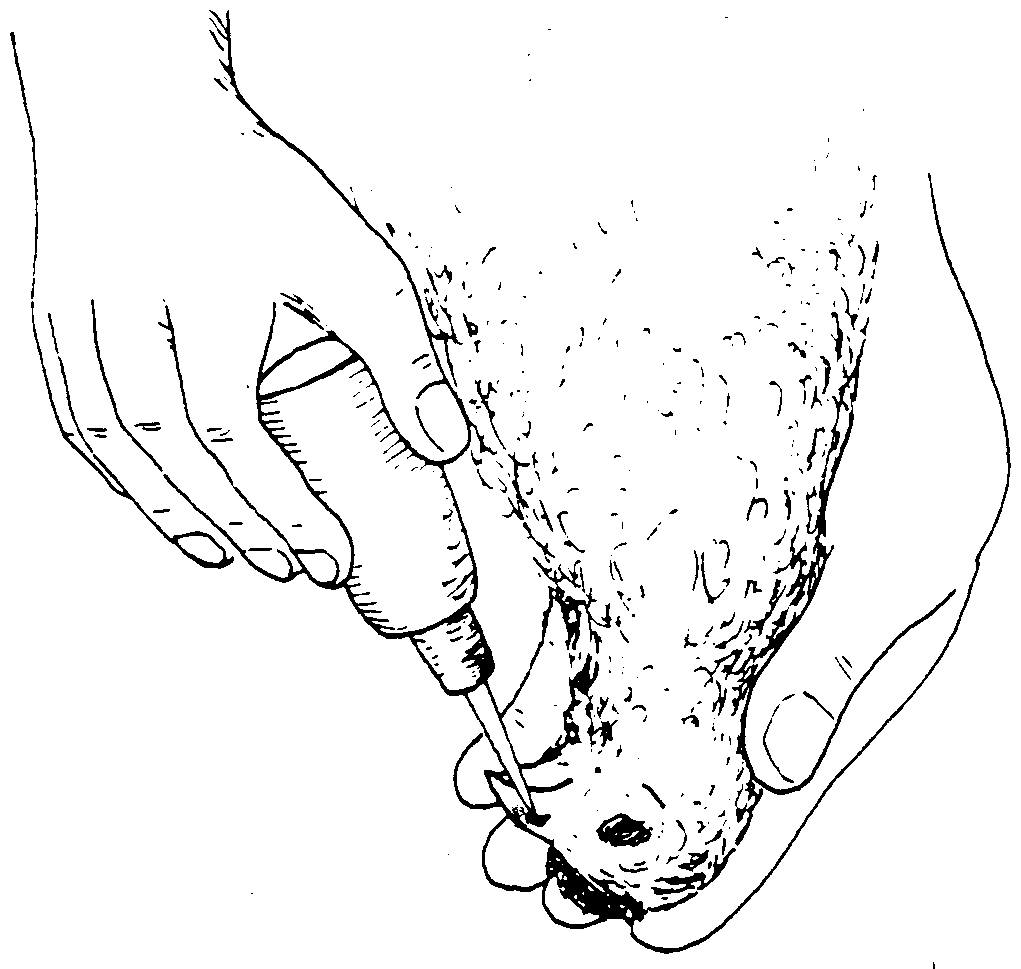
by drops in the eyes or nostrils, or
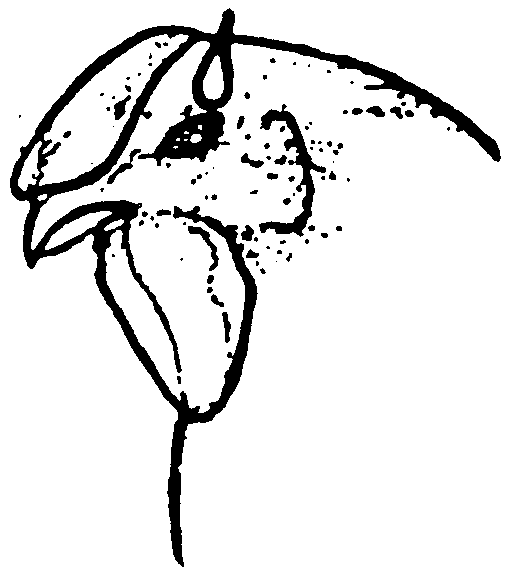
in the drinking water, or by spray using special equipment Keep flocks isolated from other flocks. Never allow strangers/visitors inside the chicken house.
Bury all dead chickens immediately and kill or remove weak, sick chickens from flock.
Notes: Immediately use all opened vials of Newcastle disease vaccine. Do not save an opened vial for later use. A vaccine for feed application may soon be available.