Trypanosomiasis
21.4.3 TrypanosomiasisNote: The change to pitch (12) and font (6) must be converted manually.
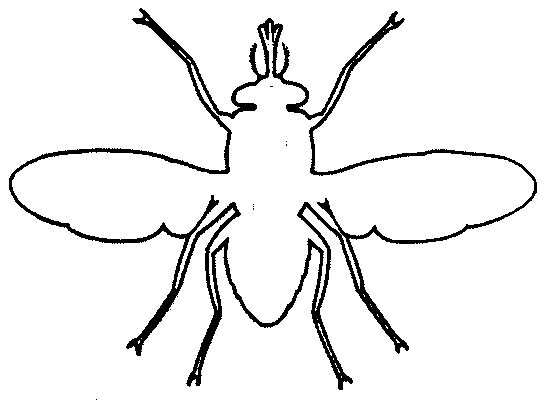
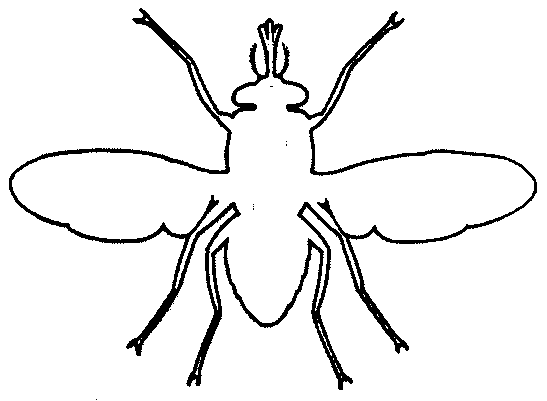
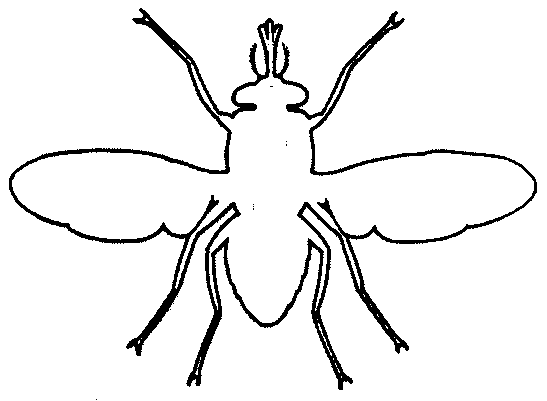
Trypanosomiasis in livestock is caused by a group of protozoa (Trypanosomas) found in parts of Africa. It is usually a chronic disease seen in cattle, sheep, dogs, pigs, camels, horses and most wild animals. It is spread by a biting insect called the tsetse fly. Some local animals are fairly resistant to the organism because they have thick skin and the flies cannot successfully bite them. There are about 12 different species of trypanosomas. Four of the most important are: T. congolense, T. vivax, T. brucei, and T. simiae.
Symptoms:
Fever Anemia and weakness Abortion Swollen lymph nodes Weight loss Reduced milk production Diagnosis:
Thin and anemic The parasite can be seen by examining a blood smear with a microscope Treatment:
There are several drugs available for trypanosomiasis (e.g. Berenil). However, trypanosomes often become resistant to them. If trypanosomiasis is a problem in your area, find out which drugs are effective from the Ministry of Agriculture or a reliable local veterinarian or AHA. Follow carefully the instructions for use.
Control/Prevention:
Control can be achieved through controlling the insect. See page 118.