Hematuria in Cattle and Buffalo
16.3.1 Hematuria in Cattle and Buffalo
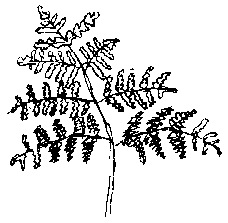
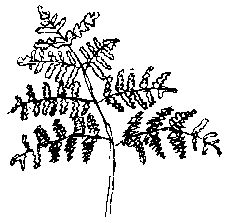
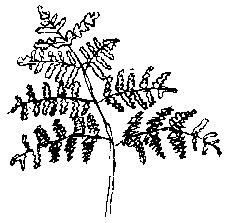
Wounds in the urinary tract. Anything that causes bleeding in the urinary tract may cause redwater. Eating large amounts of bracken fern over an extended period of time (e.g. 2-3 months) may result in a chronic disease, particularly, in cattle and buffalo (and less commonly sheep). The bracken fern causes bleeding to occur inside the body. These symptoms may appear long after the animal has stopped eating the bracken fern, and may be associated with bladder cancer.
Note: Animals do not normally eat bracken fern, but will if they are hungry enough (e.g. during a drought when there is little fodder).
Symptoms: The main symptom is red-colored urine. The animal may also have a fever.
The condition is chronic and the animal gradually becomes thin. Sometimes an animal may appear to recover, only to relapse at a later date.






Diagnosis: The diagnosis of hematuria is based on observing red blood cells in the urine with a microscope. Even without a microscope, one can collect urine in a container, let it sit for at least one hour and look for red cells to appear at the bottom of the container. The diagnosis of bracken fern poisoning is based on a history that the animal ate bracken fern.
urine sample collected blood cells in a clear container settle to bottom Treatment: Treatment options are limited. The AHA can give the animal plenty of fresh drinking water and rest. If the problem is already chronic, the animal is less likely to recover. Penicillin might help if the animal has a low-grade fever (assumed to be an infection that is complicating the problem). Local herbal diuretics (i.e. which cause the animal to make more urine) might also be helpful.
Prevention: Be especially careful during periods of drought (i.e. when animals are more likely to eat poisonous plants), by not allowing animals to graze in areas where there are known toxic plants like bracken fern.