Other Options for Genetic Improvement
10.9.3 Other Options for Genetic Improvement What are other options to improve the local livestock without importing animals?
Genetic improvement can be achieved by carefully selecting young animals for breeding based on the performance of their parents. This is called “selection.” If the parents grew quickly and produced well, their offspring are likely to do the same. Improvements by selection may be slower than if an improved animal is imported. However, the risks are less since the offspring are well-adapted to the local conditions.
Unproductive animals or those with defects should not be used as breeding animals. Instead, unproductive animals should be castrated before they are old enough to mate. The process of removing undesirable animals from the herd is called “culling.” Culling prevents a livestock producer from wasting resources on poor quality livestock.
Inbreeding is when two closely related animals are bred together. This is sometimes done deliberately to develop certain characteristics in the offspring. However, inbreeding is generally not recommended because there is a risk that offspring will have defects, or are weaker, smaller and less productive. There are three ways to avoid inbreeding:
Don’t breed related animals to each other.
When the same males are used continuously in an area, these same males will most likely breed their mothers, sisters, or daughters, or their offspring may be bred to one another. The solution is to send these males to another area and bring in new ones.
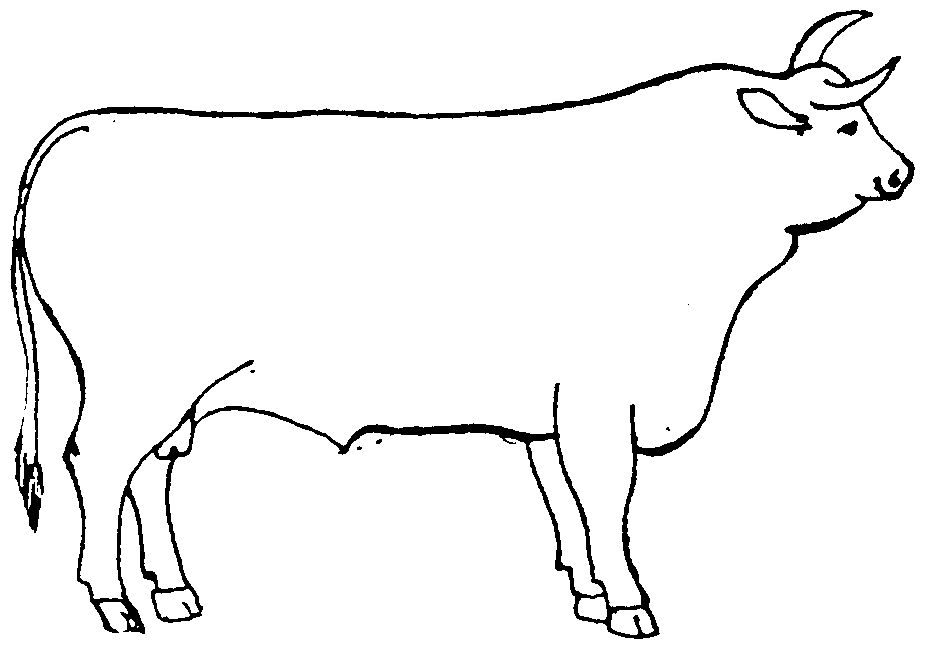
Don’t breed the sire
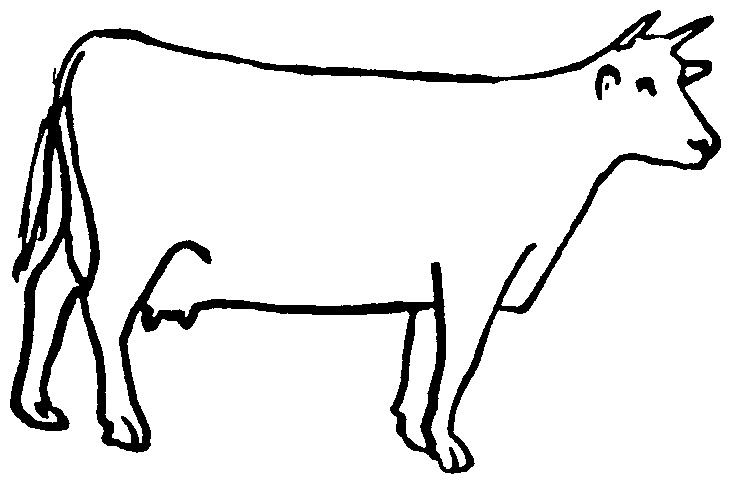
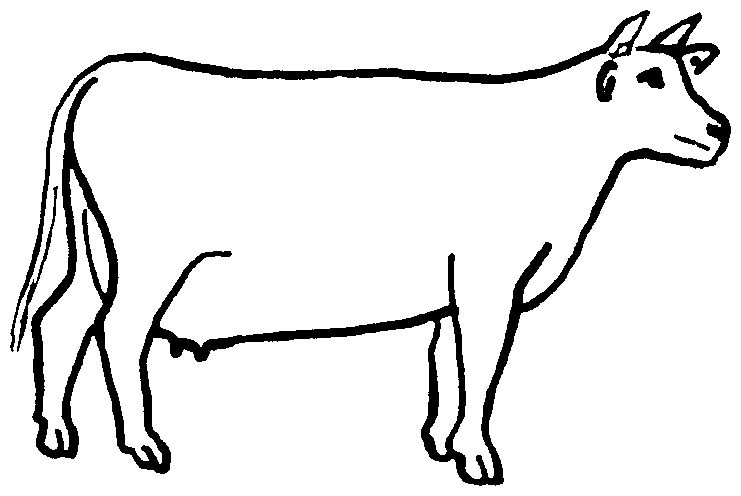
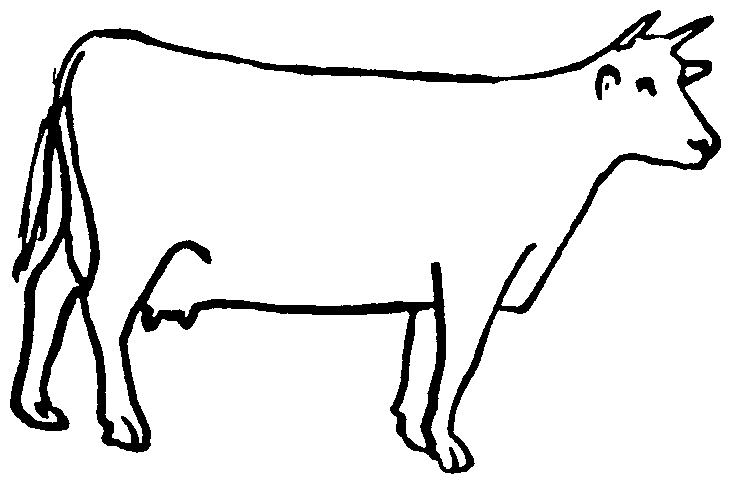
With his sister With his mother With his daughter Don’t leave animals loose or unattended.
Animals that run loose or are unattended may mate with their relatives or with poor quality animals. Also, if breeding took place while the animals were running loose or unattended, it is impossible to know who the father was. The solution is to avoid letting animals run loose or leaving them unattended.
Castrate young males that will not be used for breeding Some male animals reach puberty at a young age, and if not castrated, may mate with their mother or sisters. The solution is to castrate young males that will not be used for breeding.