Difficult Births (Dystocias)
10.7.1 Difficult Births (Dystocias)
A difficult birth is called Note: The change to pitch (12) and font (6) must be converted manually.a “dystocia.” There are many causes of a dystocia:
the mother may be weak and unable to push the cervix may not open the baby may not be in the correct position the baby may be dead and possibly bloated the baby may be deformed the baby may be too big for the mother (sometimes a problem when a small cow is bred to a big bull)
Equipment Needed for Delivery of Babies 1. Clean water and soap. Disinfectant soap is best, but regular soap also works.
1. Three small ropes about 1.3 meters in length. Nylon ropes are easiest to clean.
1. Plastic sleeves, if possible.
Note: Women often make excellent birth assistants, especially for smaller animals like pigs, sheep and goats. Their hands are smaller to assist the delivery when necessary, and they tend to take good care of newborn babies.
How to Handle a Dystocia Step 1. Take a history: Take a history and be sure to ask the following questions:
1. When (what date) is the mother supposed to have her baby? Is it early or late?
1. For how many hours has the mother been trying to deliver the baby?
1. Has someone already put their hand inside the mother to help her?
How to handle a dystocia 1. Take a history 2. Conduct an external exam 3. Conduct an internal exam 4. Correct the problem & deliver the baby -open cervix, correct position -open cervix, incorrect position -closed cervix -twisted uterus -dead and bloated baby 5. Treat for any other conditions found in the baby or mother If the mother has already been trying to have her baby for several days, then the baby is probably already dead and the mother may also die. You must warn the owner before you begin to work or you may be blamed for the death. Also, if someone has already tried to pull the baby out, they may have already injured the uterus inside.
Step 2. Conduct an external examination: Examine the animal. In particular, note whether she is thin and weak (and so may not be able to push the baby out), and whether there is placenta or smelly fluid coming out of the vulva.
Step 3. Conduct an internal examination:
If the animal can move, put her in a clean, dry place. If it is a cow, buffalo, or horse, have someone hold the tail out of the way (or tie it up). Wash around the mother's vulva thoroughly with soap and water. Wash your arm up to the shoulder with soap and water. If you have sores on your arm, or if the calf is already dead, wear a plastic glove to protect yourself from infections like Brucellosis. After washing, apply soap again to your arm (or the plastic sleeve) to make your arm slippery. Then gently insert your hand and arm into the vulva and on into the vagina (birth canal).
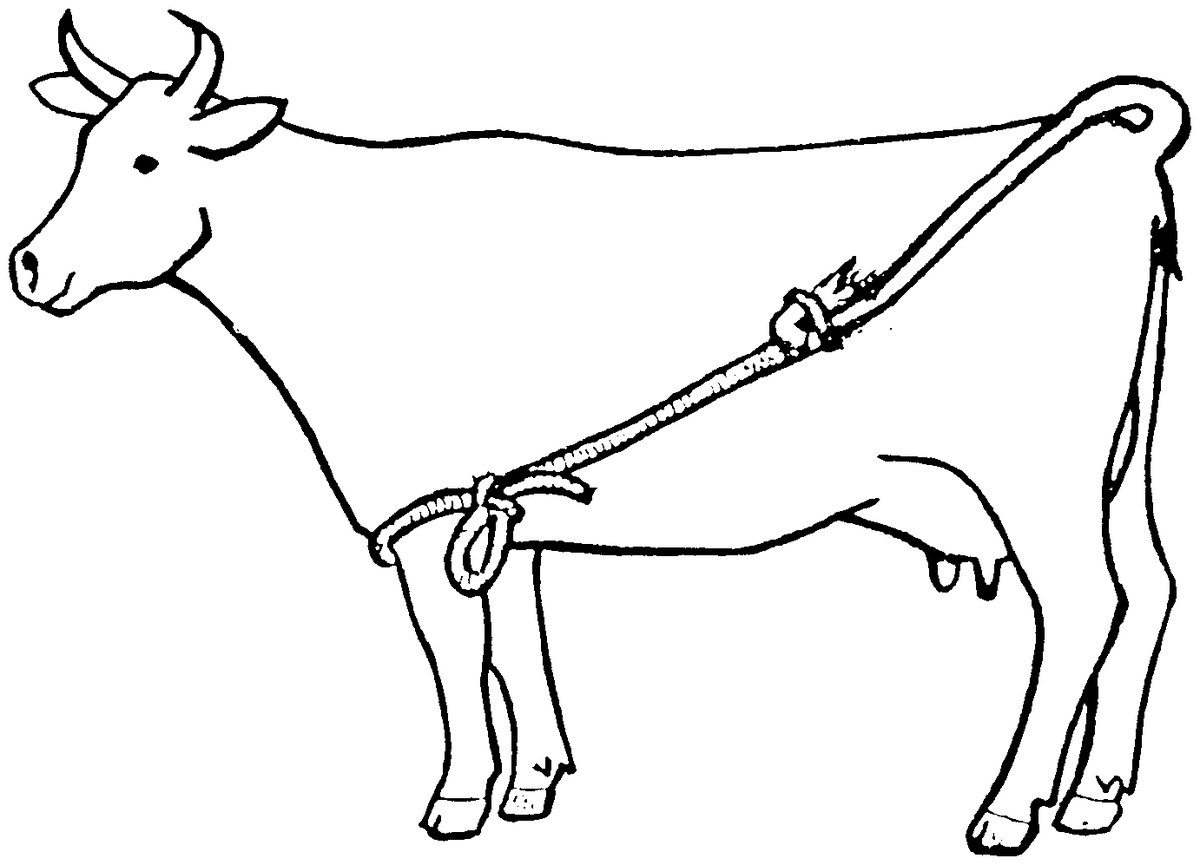
Have someone hold the animal's tail or tie it to the side
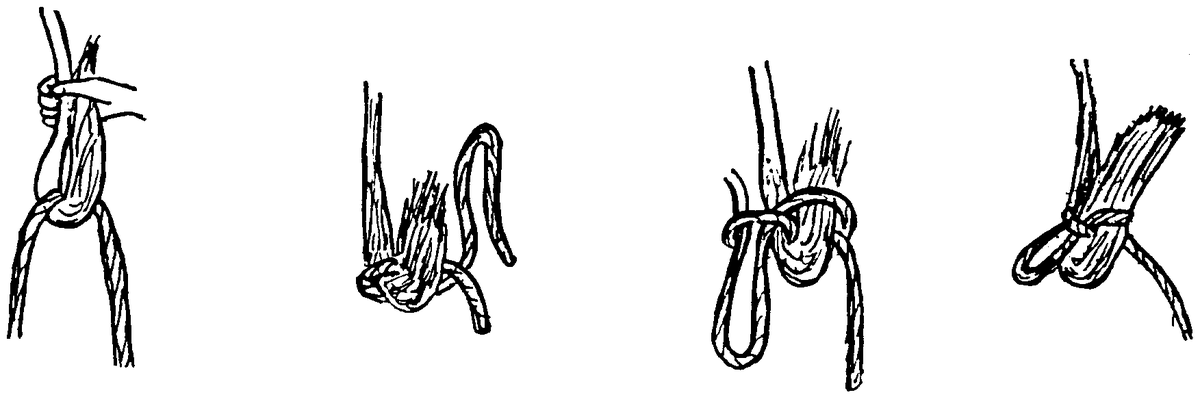
How to tie a tail
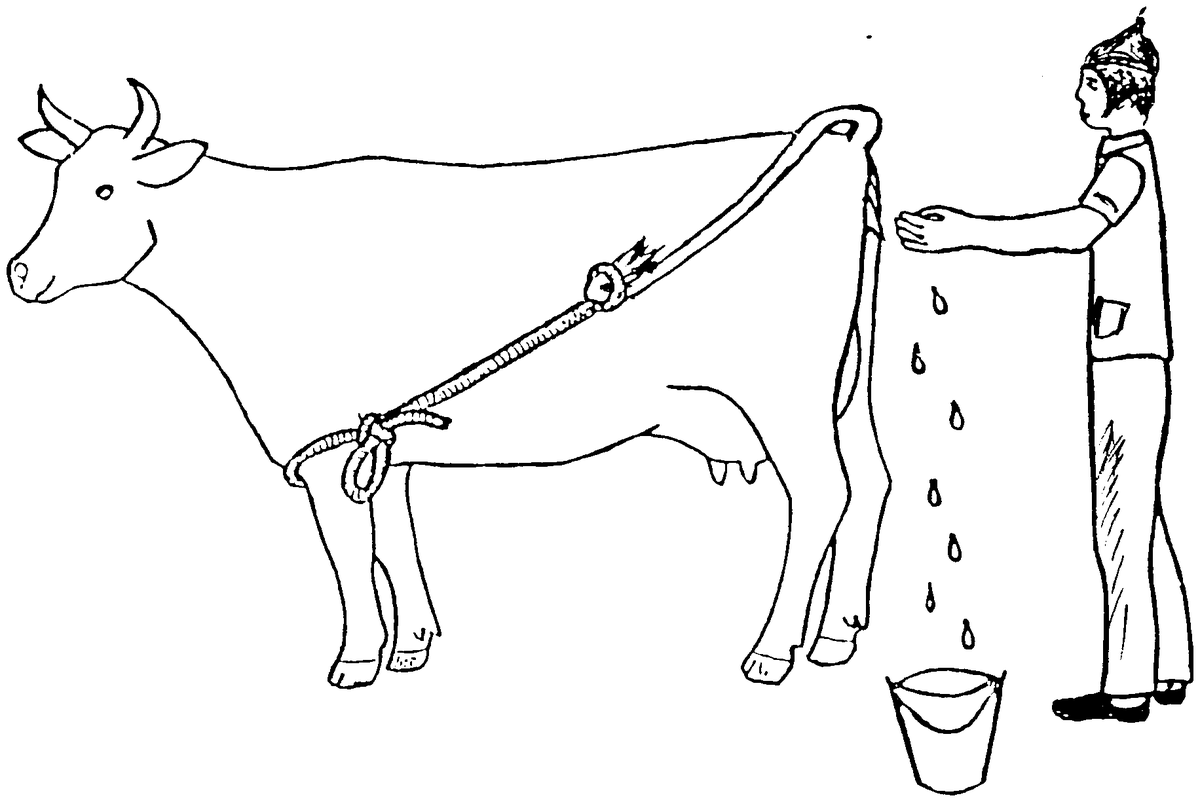
Wash the animal's vulva and surrounding area
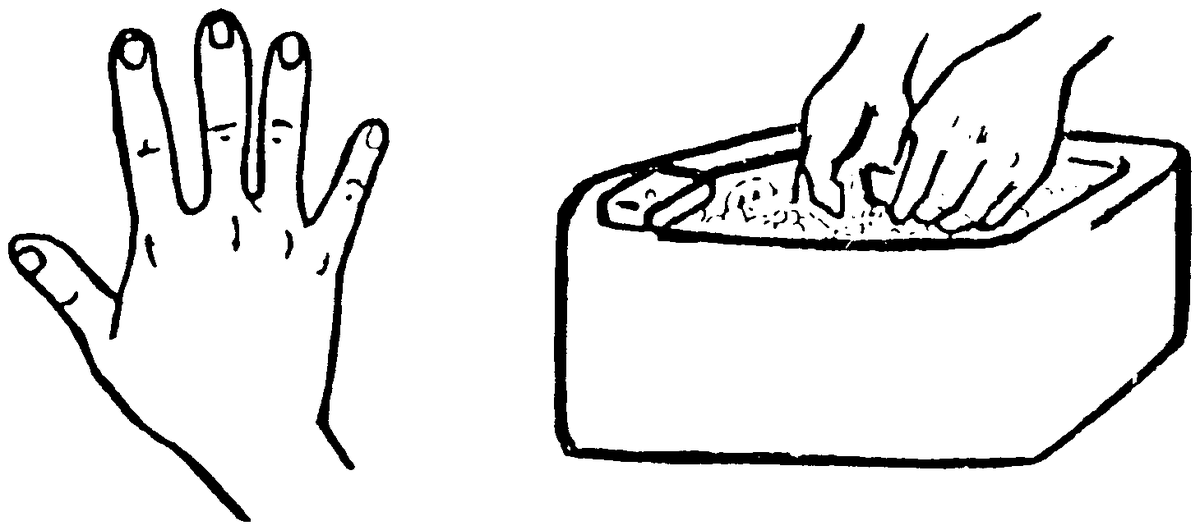
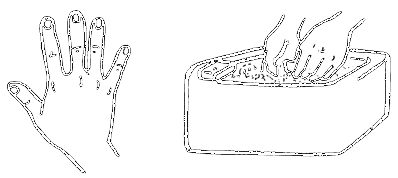
Wash your own hands and arm. Put on a plastic sleeve if available
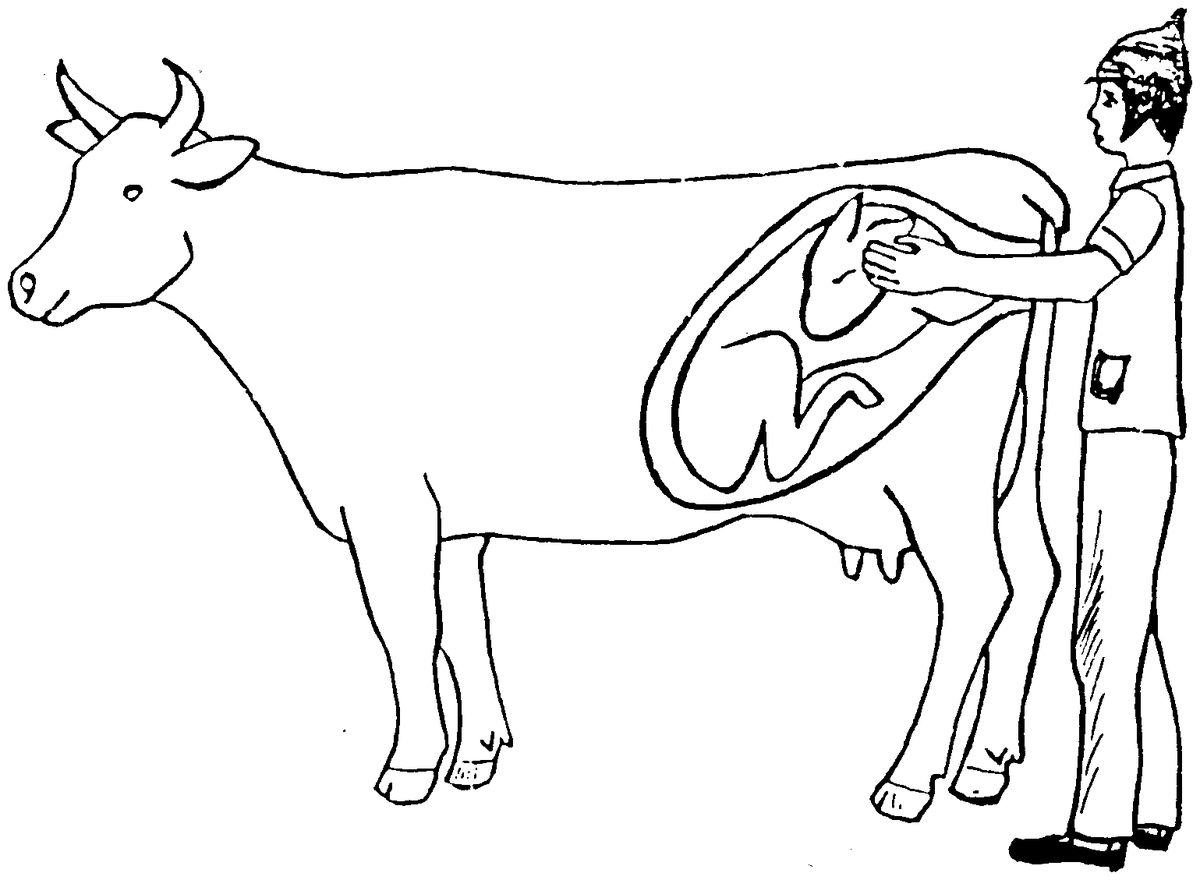
Insert your hand and arm gently into the animal Once your hand is inside the vagina, determine the following:
Is the cervix closed?
Is the baby in a bad position?
Is the baby too large to pass easily through the birth canal?
How to determine whether the cervix is open Once your hand is in the vagina, if you can touch the baby with your hands, then the cervix is open. If you cannot touch the baby, then the cervix is still closed.
How to determine whether the position is correct If you can feel the legs, determine whether they are front or back legs. To do this, first find the hoof and then feel up the leg. If the first 2 joints on the leg bend the same way, then it is a front leg. If the first 2 joints on the leg bend the opposite way, then it is a back leg. If you have identified two front legs, then the head should be positioned between them, otherwise the baby is not correctly positioned. Similarly, if you have identified two back legs, and you cannot find a tail, then the baby is incorrectly positioned.
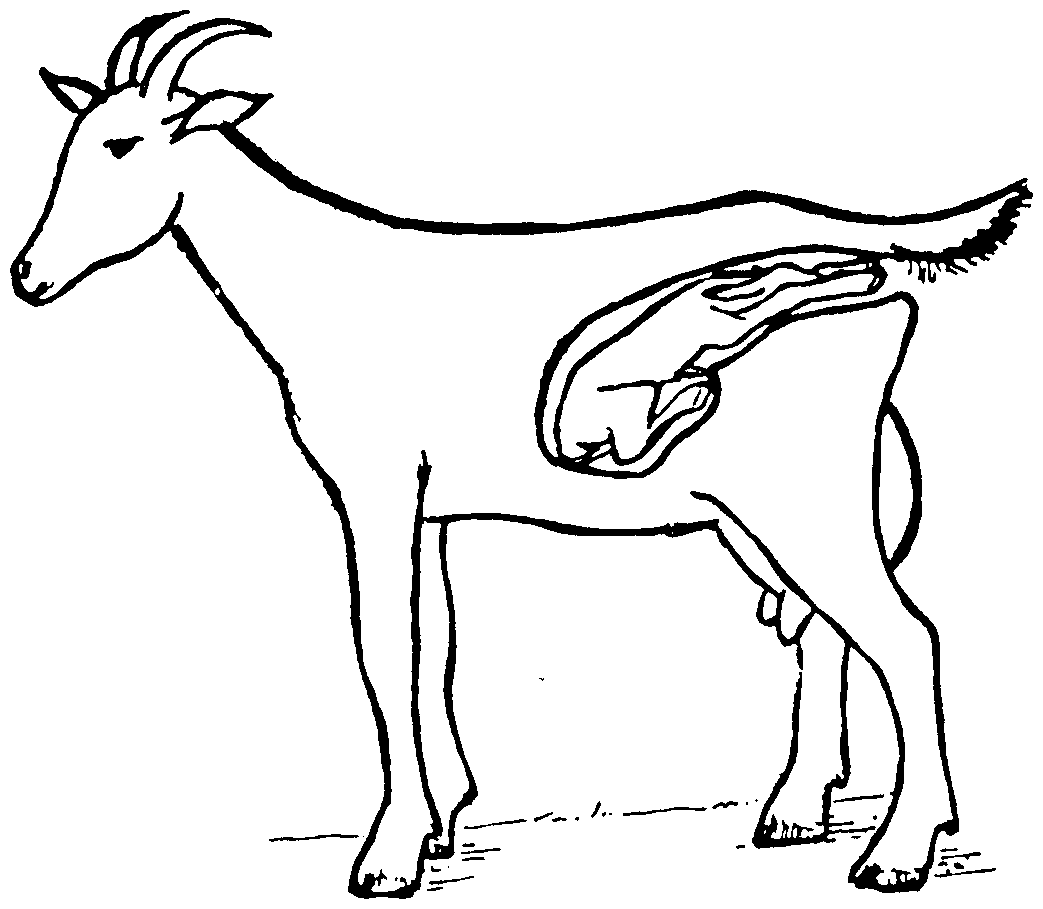
Correct / Normal Positions for Delivery
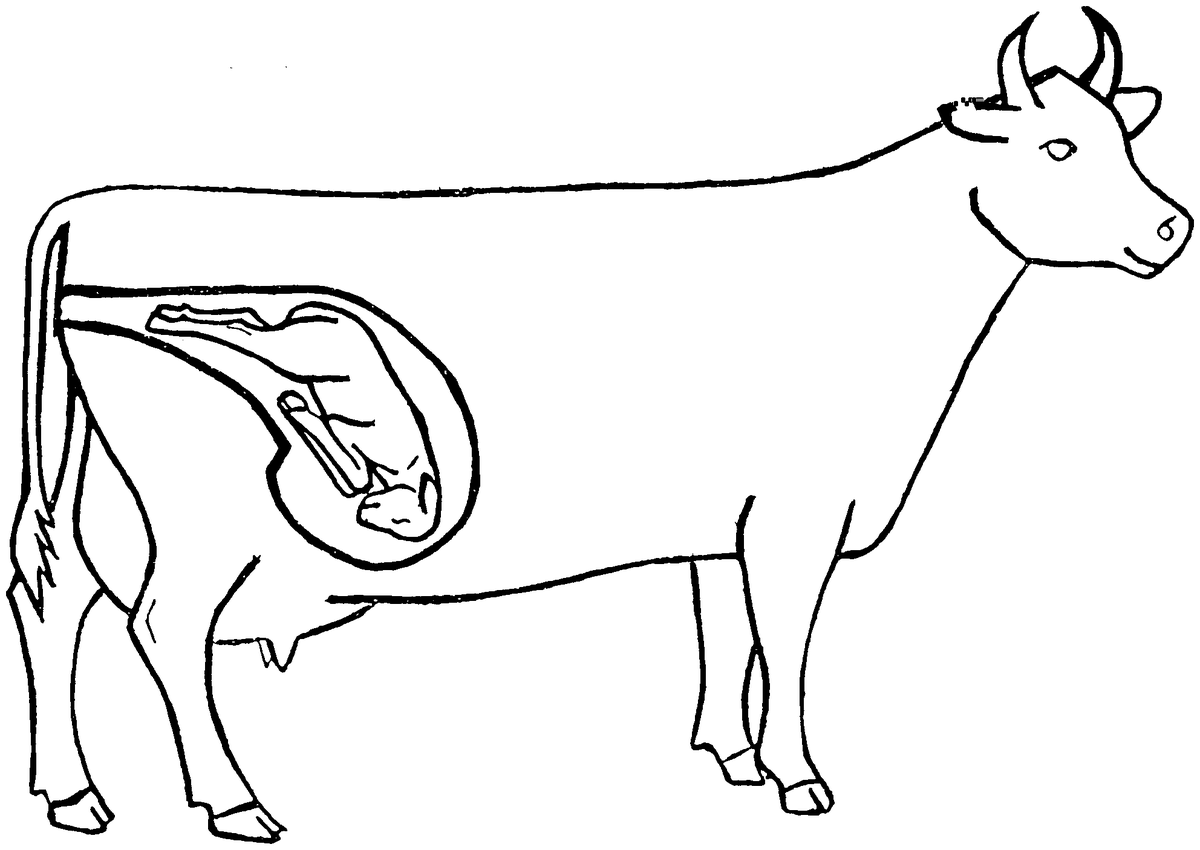
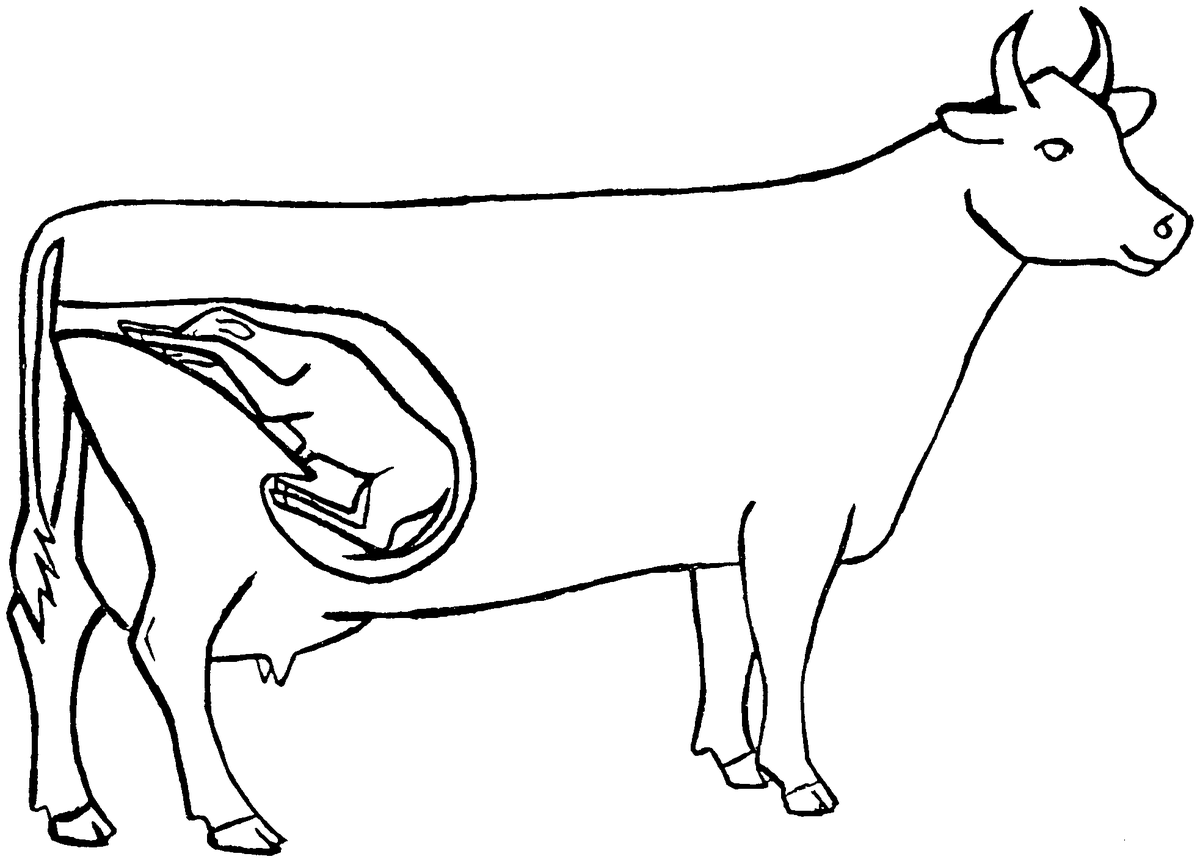
Most babies are born with the head and two front legs coming first. However, a baby can also be born if both back legs and the tail come at the same time.
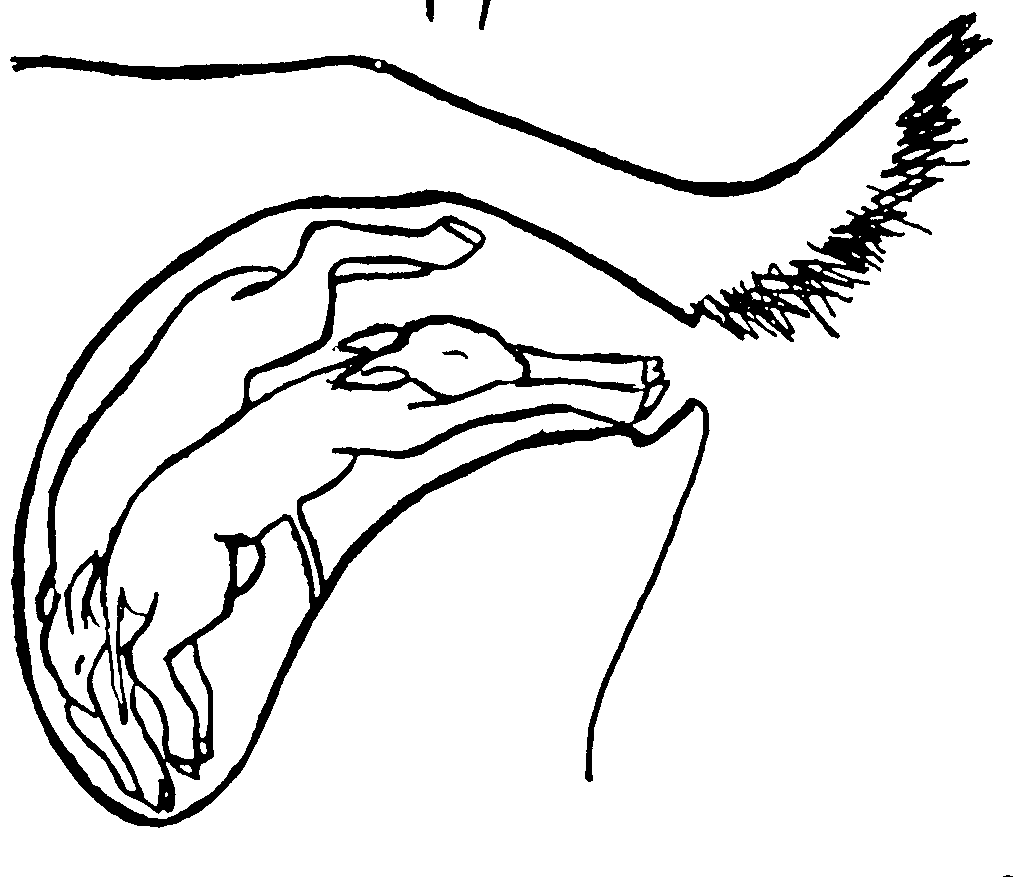
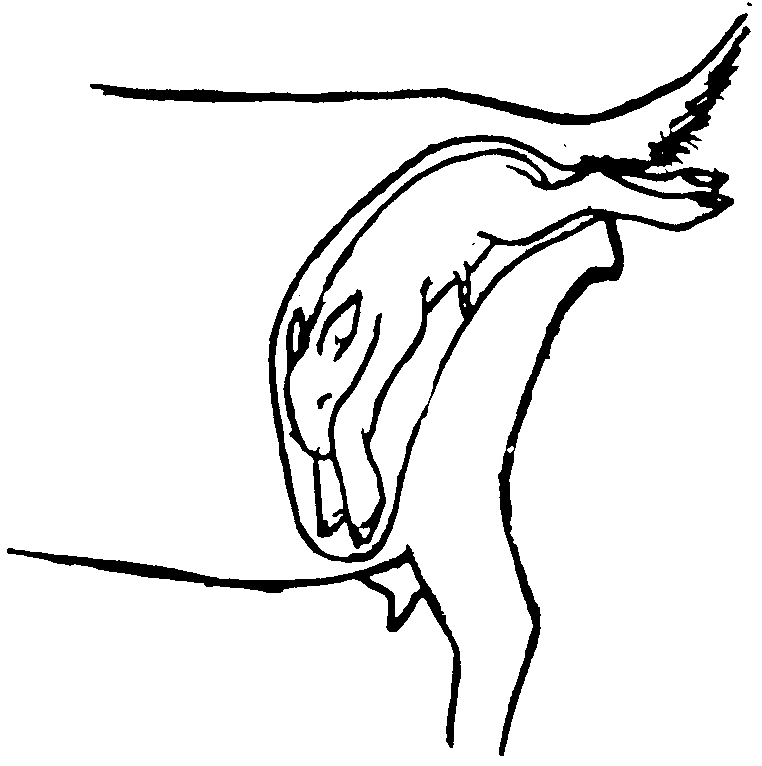
If the baby is not in one of these positions, it is the job of the AHA to move the baby into one of these positions so that it can be delivered.
Problem 1. The cervix is open and the position is correct, but the mother cannot deliver This problem may occur when the baby is too big for the mother's birth canal, the mother is unable to push properly, the slippery fluids have dried out or a combination of these factors.
Treatment:
Make sure that the baby is slippery (apply soap if necessary).
Attach ropes to the legs (with a slip knot).
Pull on the ropes (particularly as the mother pushes) until the baby is born.
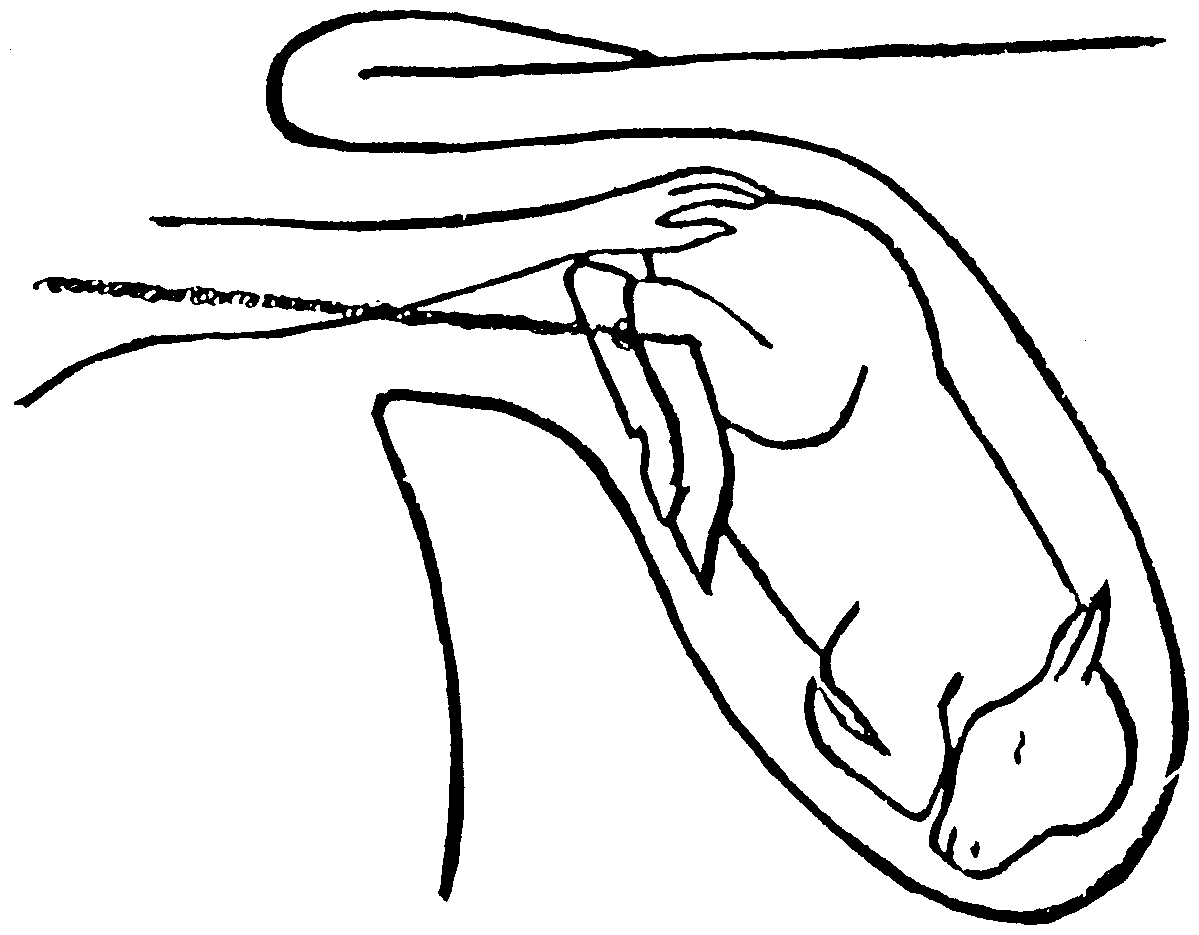
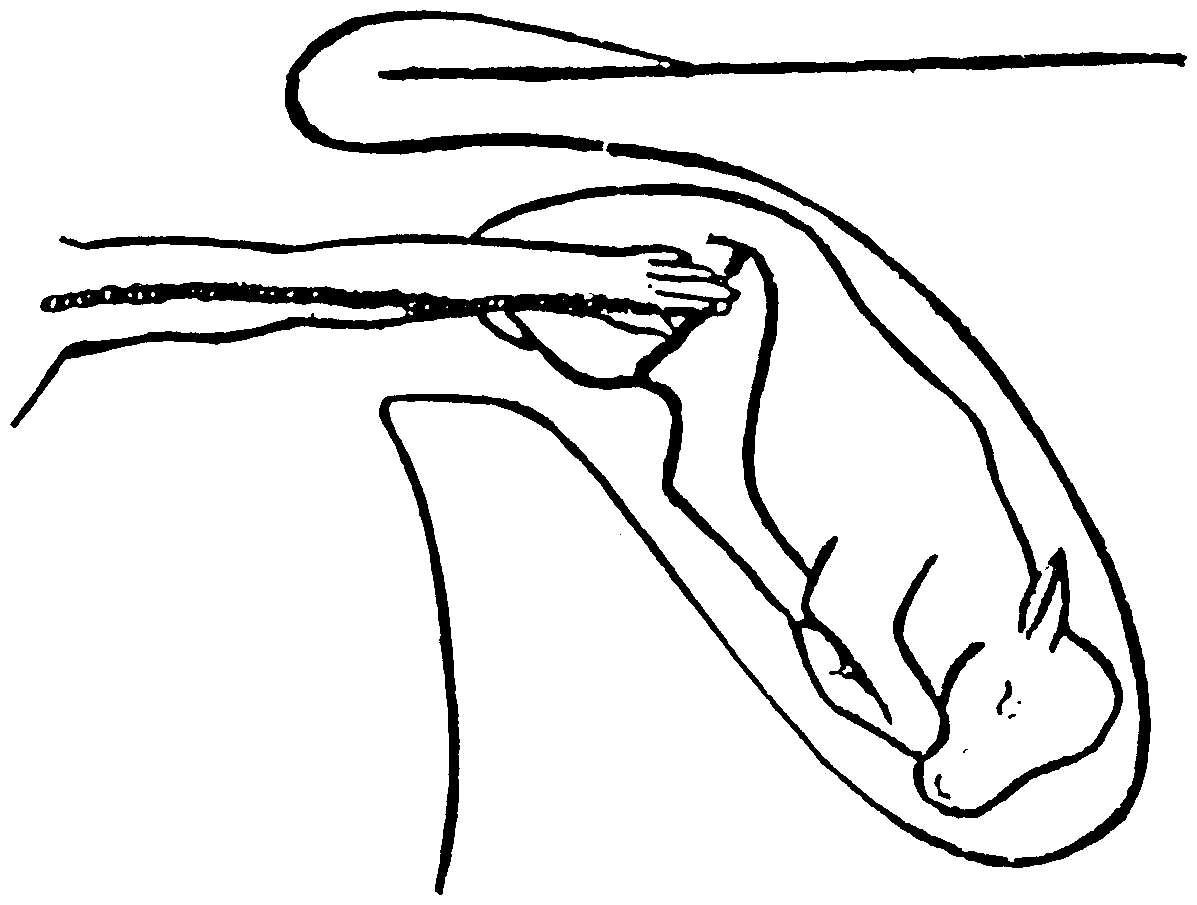
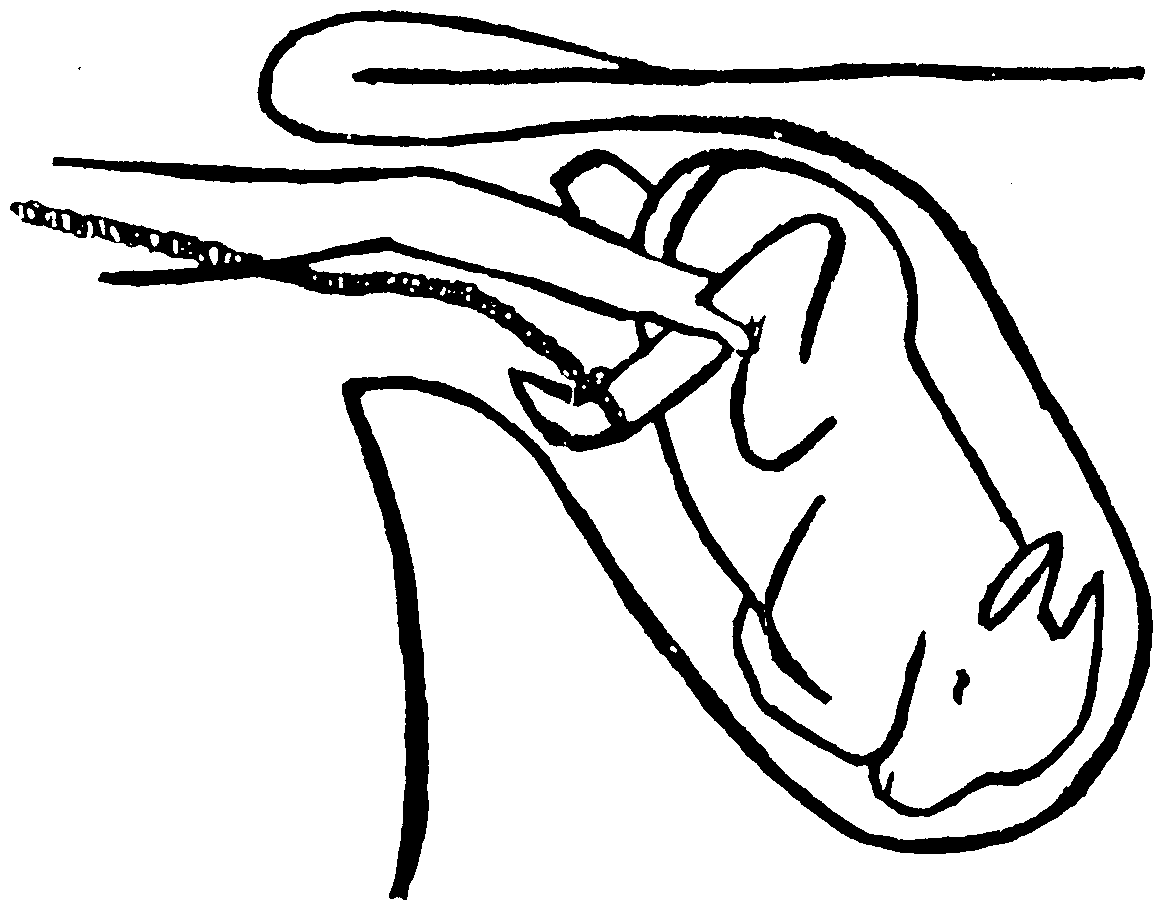
Problem 2. The cervix is open but position is incorrect The following diagrams show the most common positions that are incorrect.
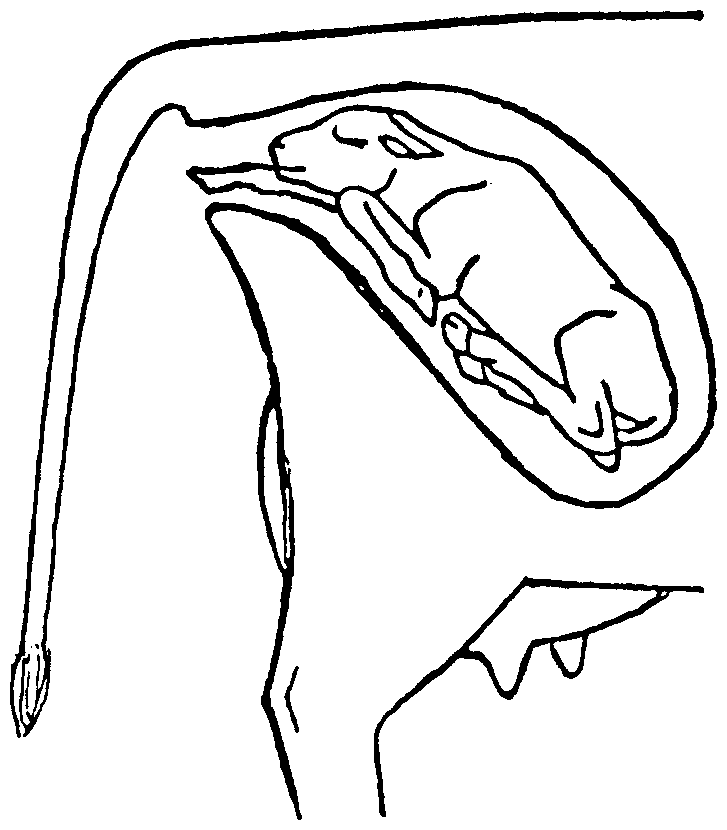
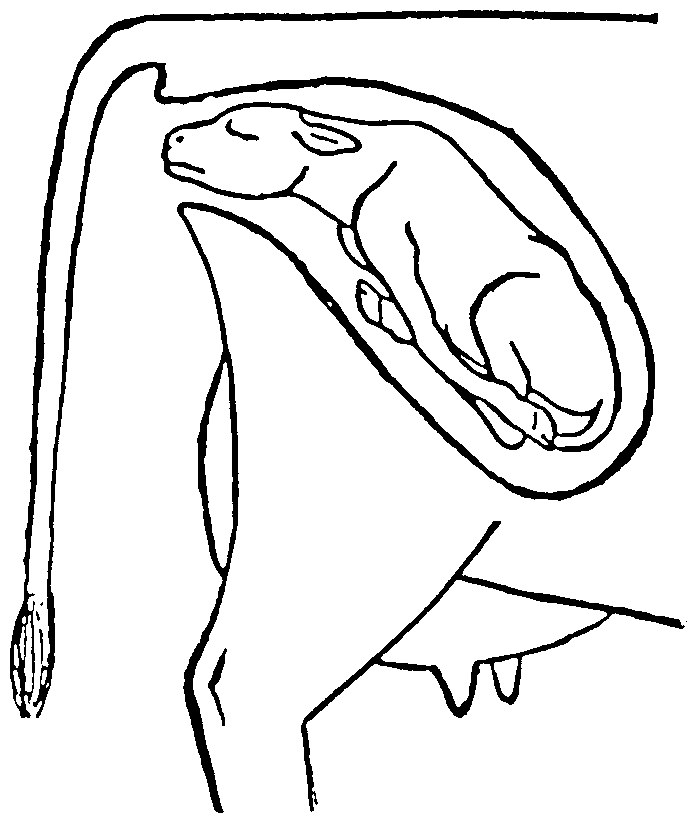
One leg is back Both legs are back
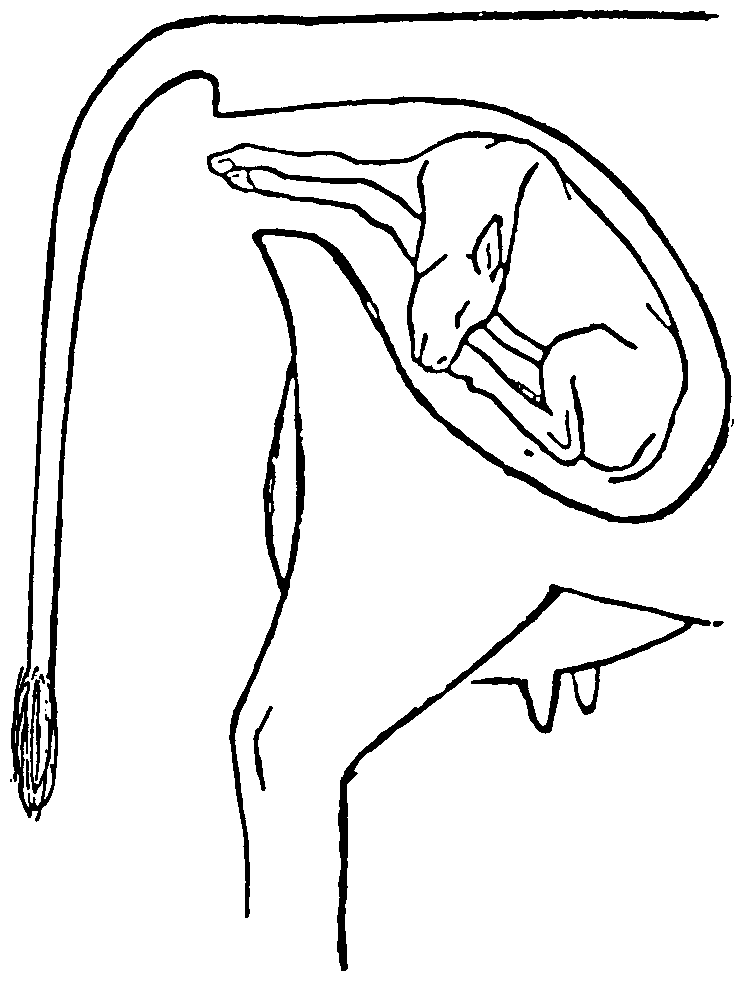
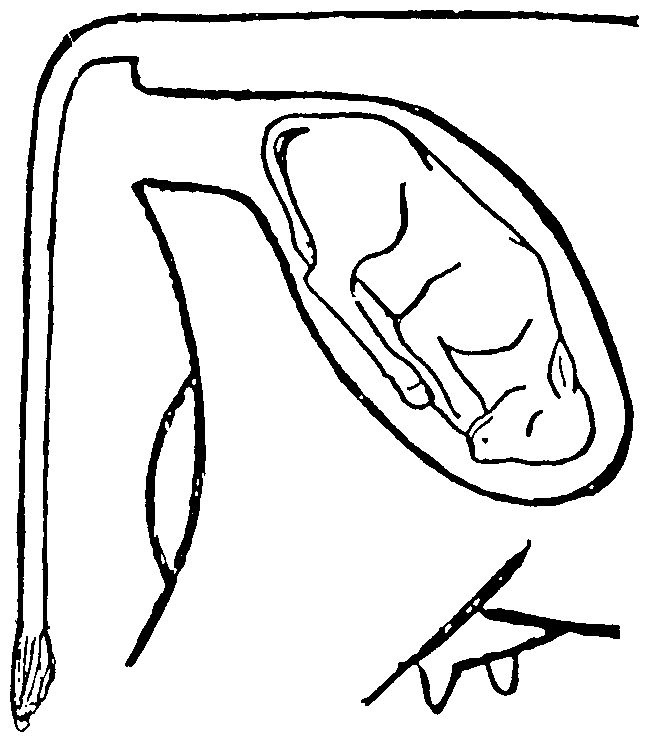
The head is back Breech position Treatment: Before correcting the problem in the following examples, you must first gently push the baby farther into the uterus to gain more space for maneuvering. Caution: To avoid tearing the uterus when maneuvering the baby, only push the baby back into the uterus when the mother is not pushing, and cup your hand around the edge of the hoof when repositioning a leg. Once the baby is delivered, antibiotics should be given to the mother to prevent uterine infection.
Caution: Never try to pull baby out of its mother before the baby is correctly positioned. Otherwise, you may kill both the baby and mother! Even if the baby is in the correct position, do not pull too hard. If two strong men cannot pull a baby cow or buffalo out, then stop and re-check that the baby is in the correct position.
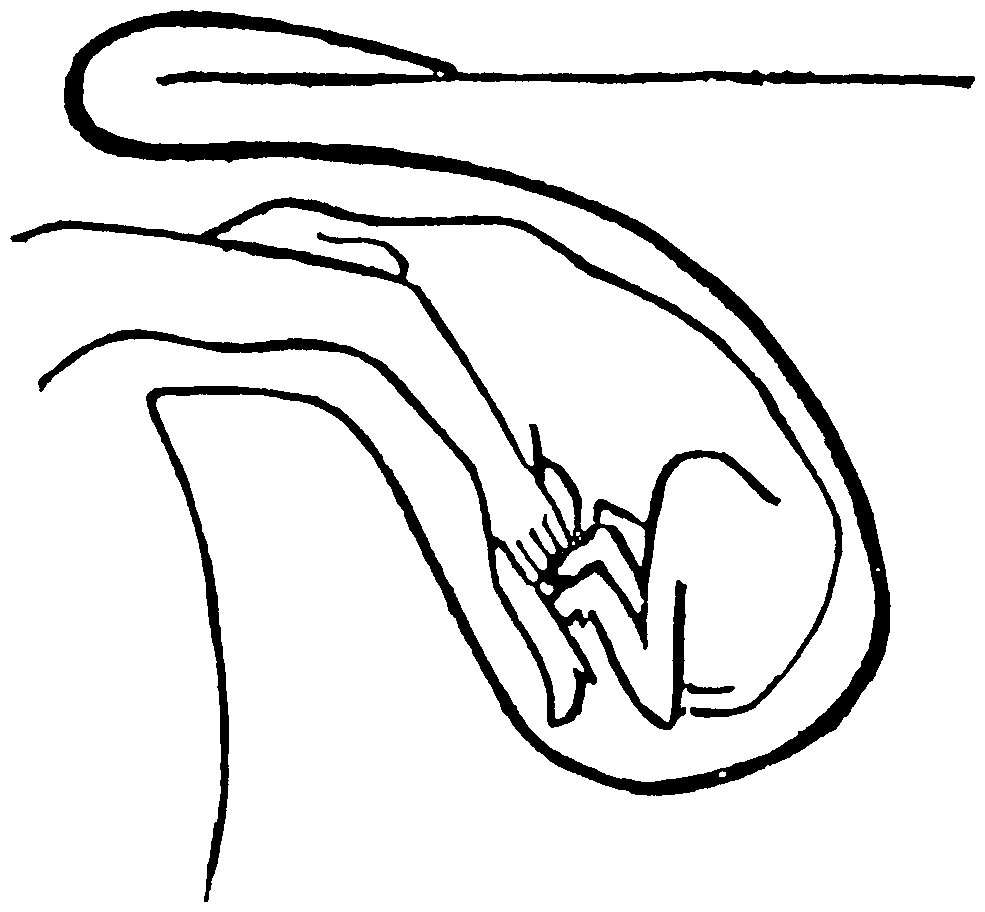
Assisting Deliveries in Various Situations Example 1. The head and only one front leg are forward Attach a rope to the front leg that is forward, but do not pull on it.
Slide your hand down the opposite side of the animal and find the leg that is back.
Cupping your hands around the hoof edges to avoid tearing the uterus, carefully move the leg into the correct position.
Once in the correct position, pull the baby out.
Example 2. The head only is forward, and both front legs are back Slide your hand down each side of the baby and grab the legs.
Cupping your hands around the hoof edges to avoid tearing the uterus, carefully move each leg into the correct position.
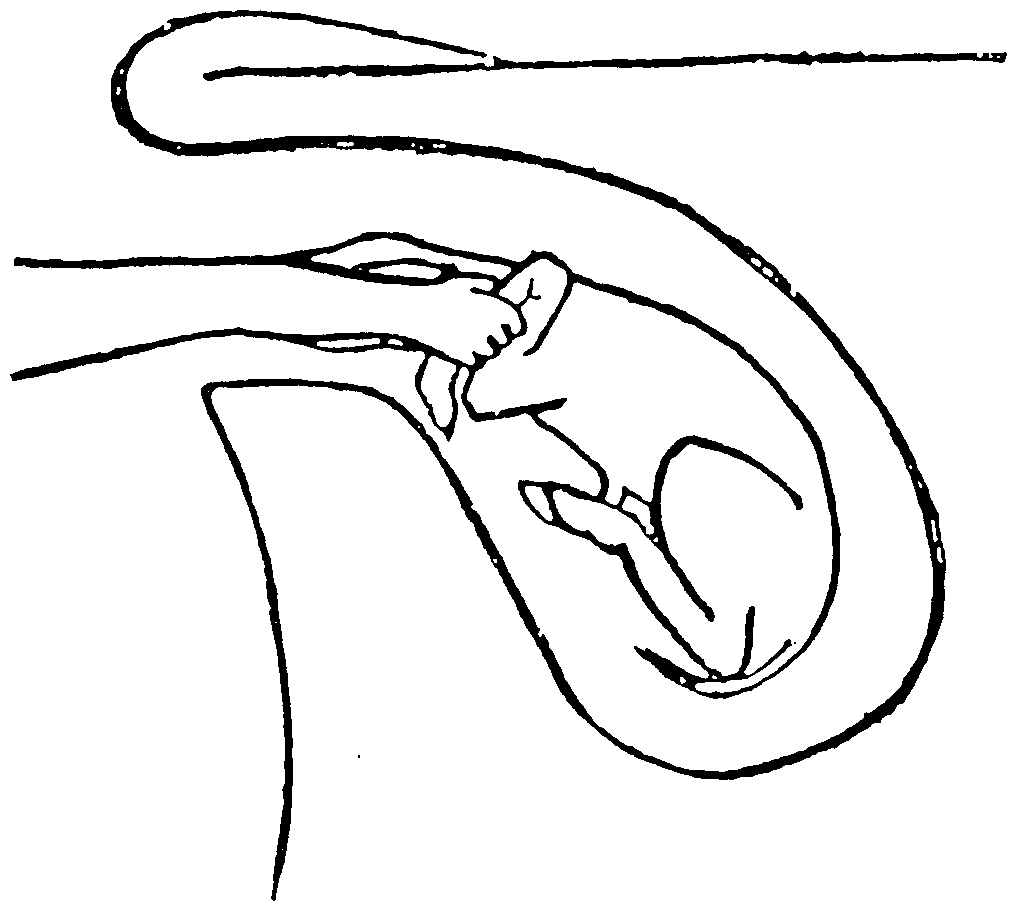
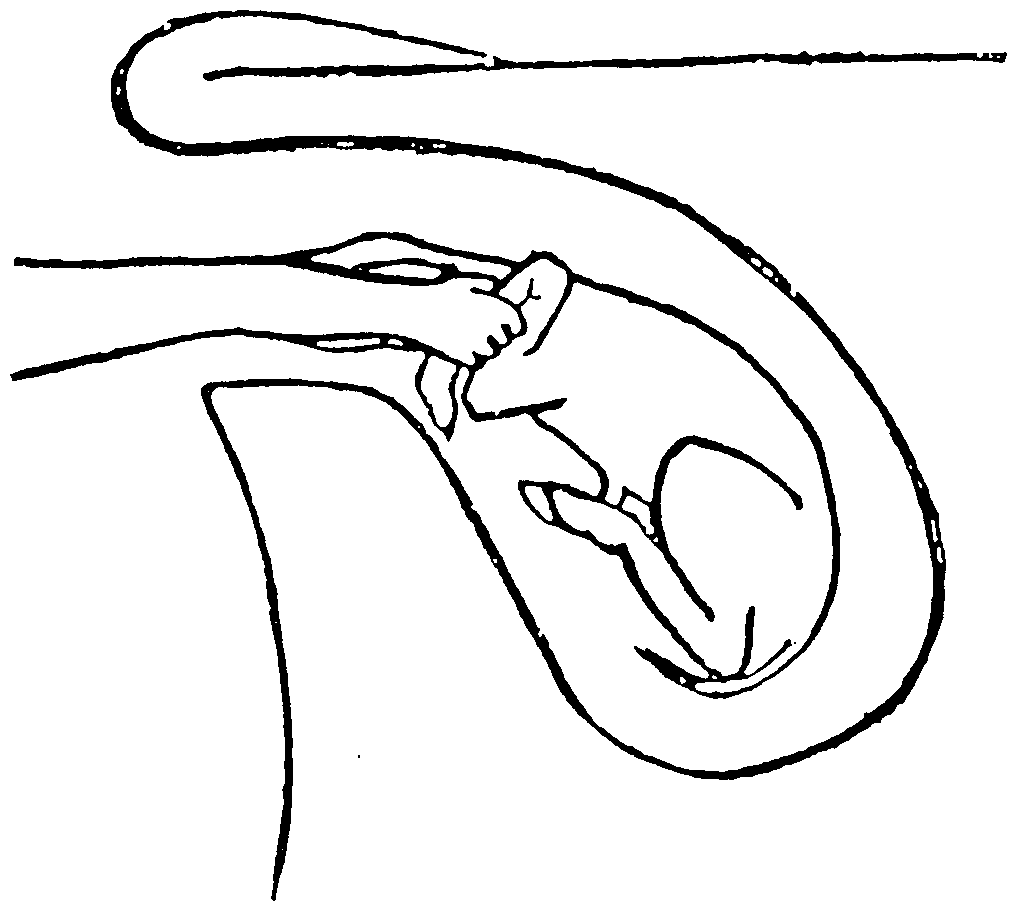
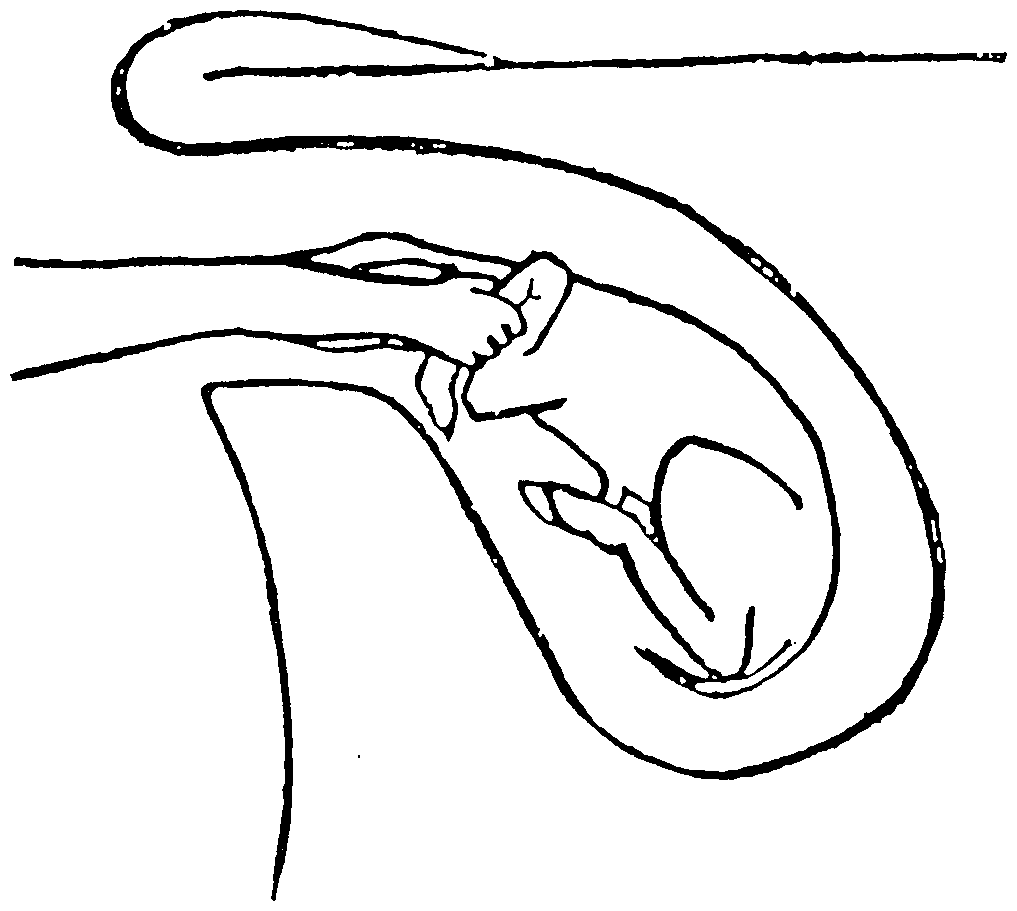
Once in the correct position, pull the baby out. Attach ropes to the front legs if necessary.
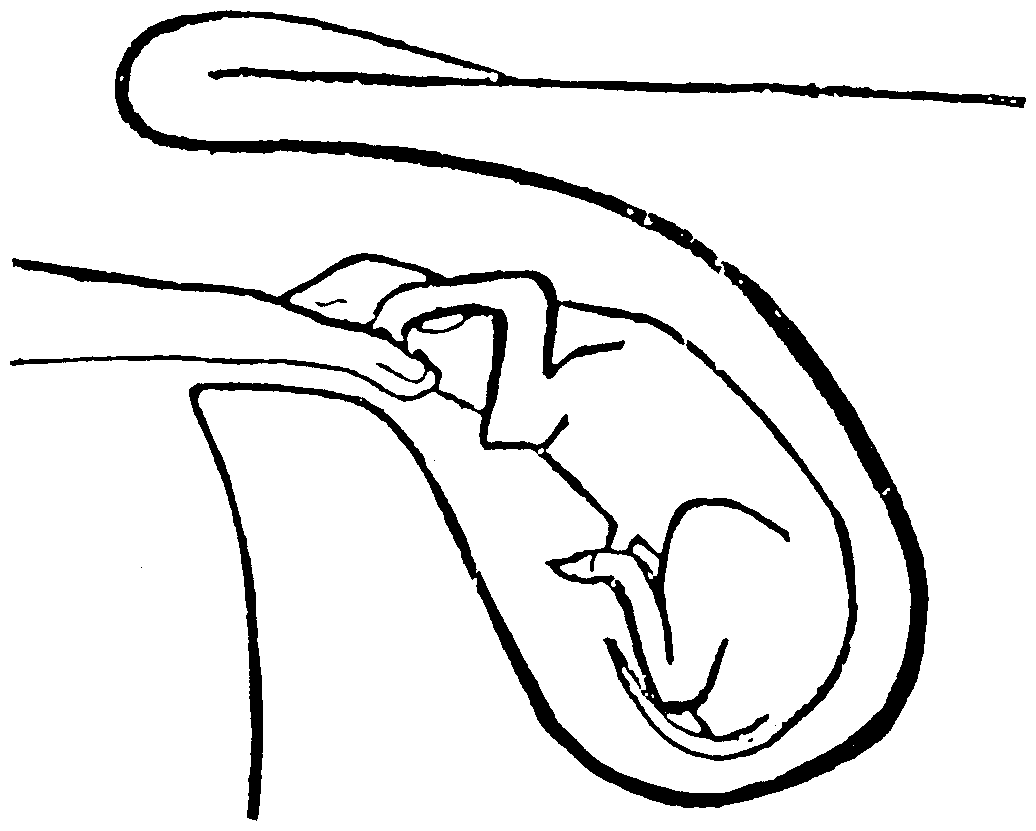
Similar example in sheep and goats
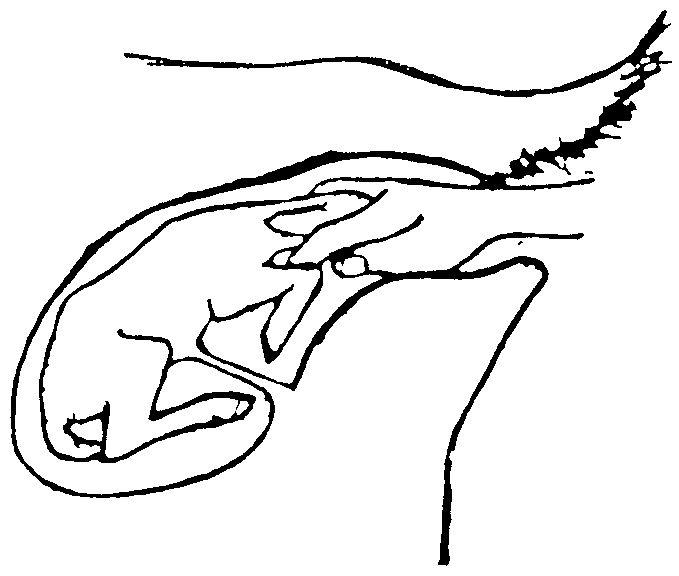
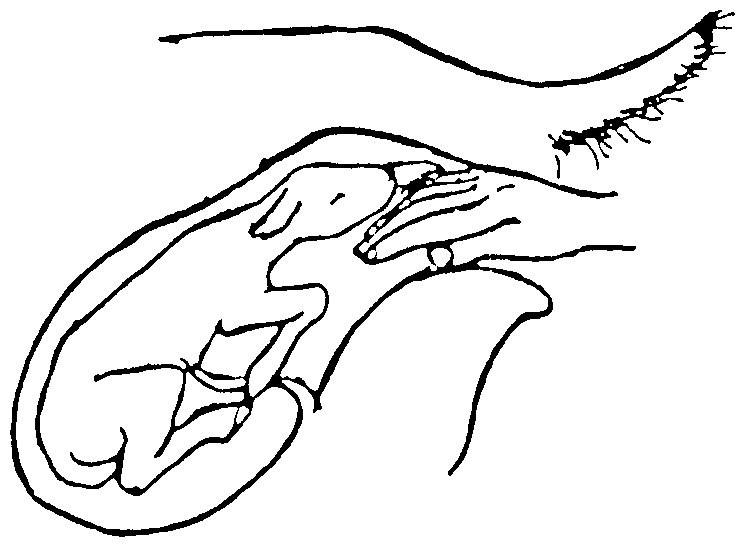
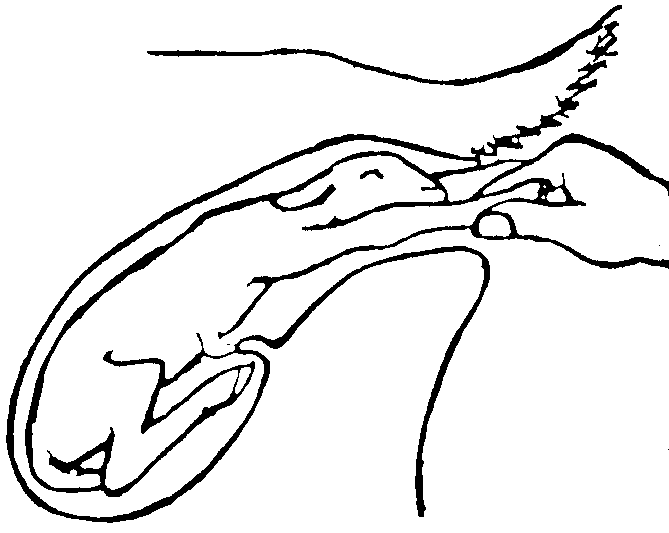
Example 3. Front legs only are forward and the head is turned back.
This position is one of the most difficult to correct. Sometimes, the neck may even be twisted so that the head may be turned up, down, or to the side.
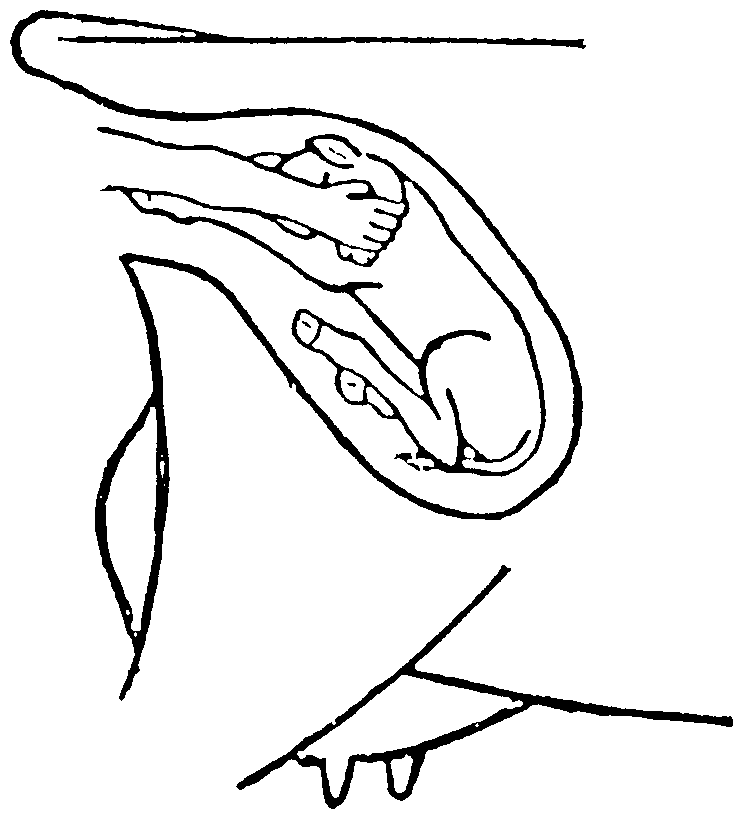
Check that the legs you feel are truly front legs.
Attach ropes to the front legs but do not pull on the ropes.
Search for the head After finding the head, grab the mouth, eyes sockets or ears and gently pull into the correct position. It may be necessary to untwist the neck first. Caution: Cup your hands around the baby's teeth when pulling the head forward to avoid tearing the uterus with the baby's teeth.
Once in the correct position, pull on the ropes to pull the baby out
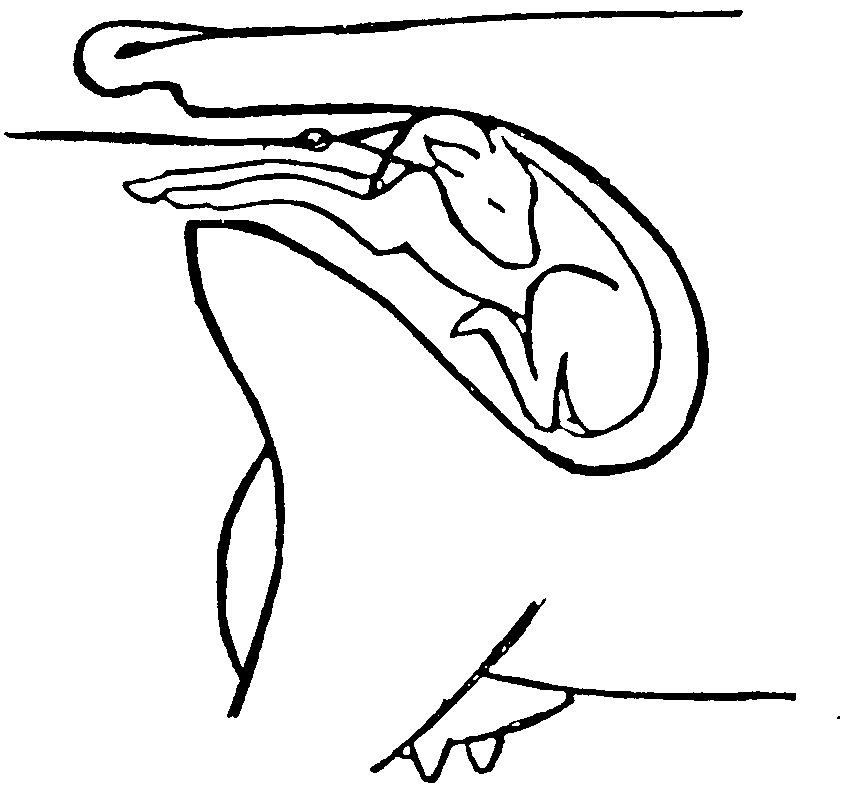
Note: Sometimes the head returns to its original position when you begin to pull. If this occurs, attach a rope to the head and apply tension to the rope to keep the head forward while pulling the baby out. There are two ways to do this that will not injure the baby:
Tie the rope, in a slip knot, to the bottom jaw only Tie the rope in a slip knot under the chin so that, as the baby's head comes out, the knot can be loosened to allow the baby to breathe.
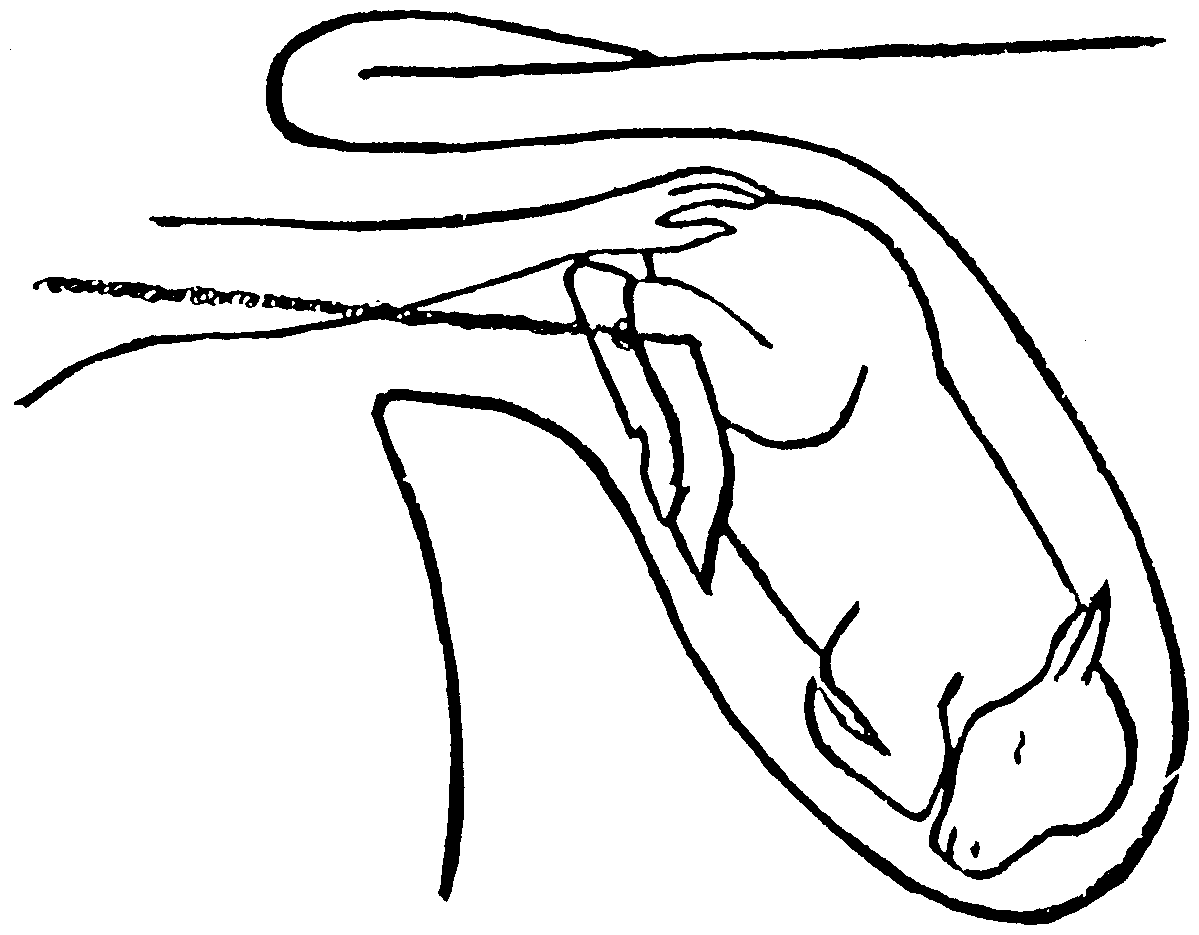
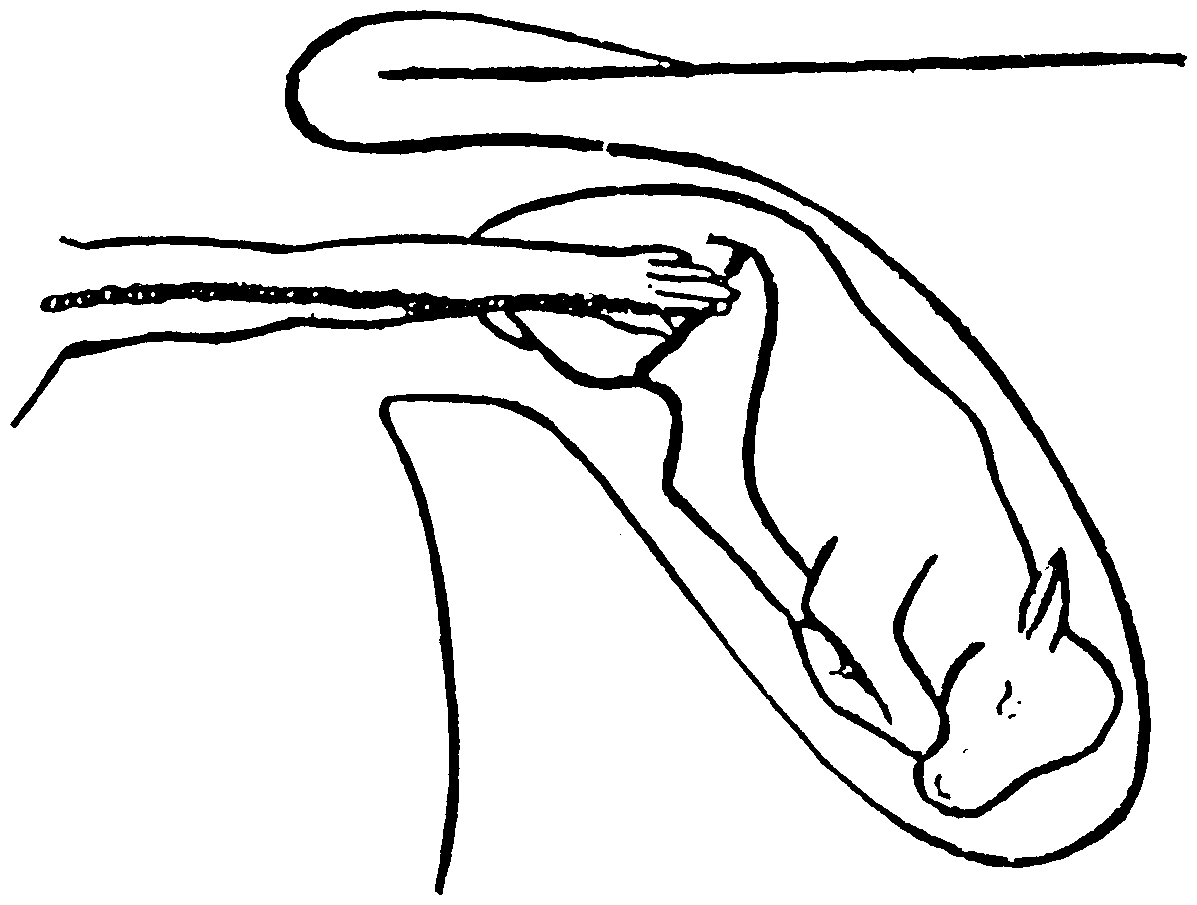
Example 4. The tail only is present without the back legs (Breech position)
Sometimes only the tail is found and both legs are tucked up under the body. This position can be difficult because the baby can be stuck tightly in the birth canal.
Put your hand on the rump of the baby and gently push it back in the birth canal so that you have room to correct the position of the back legs. Do this carefully, when the mother is not pushing.
Reach inside and find the hock joint (or knee) on one back leg.
Pull this knee up into a bent position.
Put your hand between the legs and push the knee to the outside. Pull the hoof toward the middle (or inside) and toward yourself at the same time. Caution: If you pull the hoof to the outside, you may tear the uterus or break the leg - or both!
Do the same for the other leg until both back legs and tail are in the birth canal.
Pull on the legs until the baby comes out. It may be necessary to attach ropes to the legs.
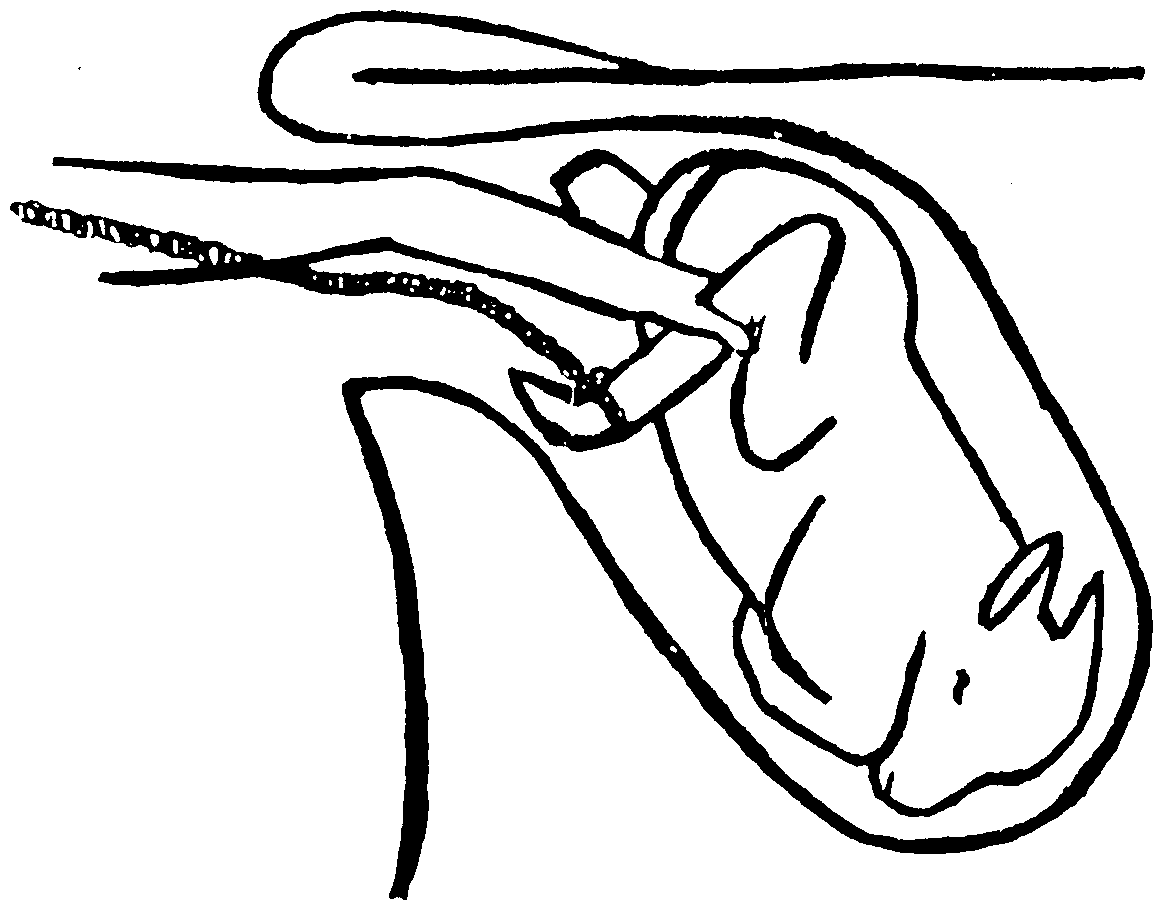
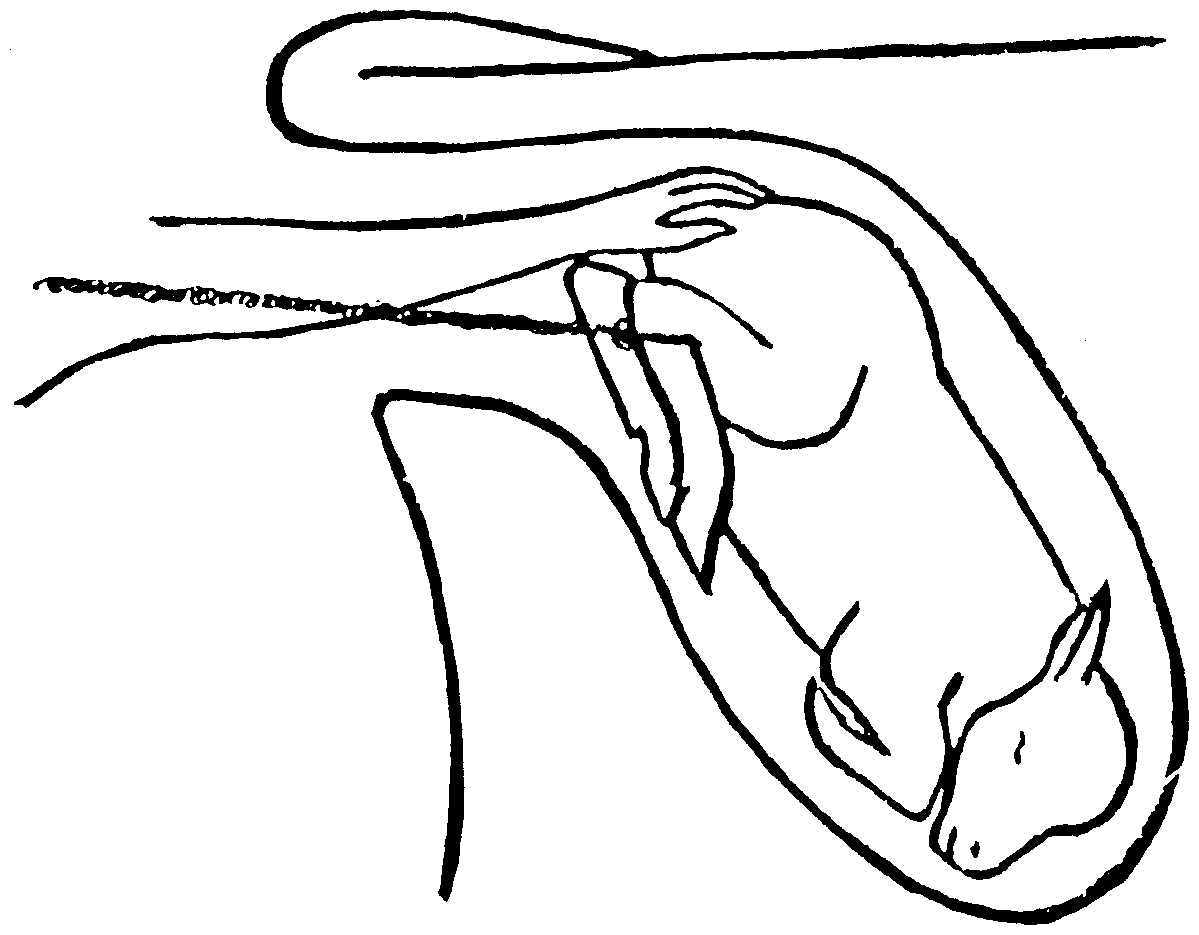
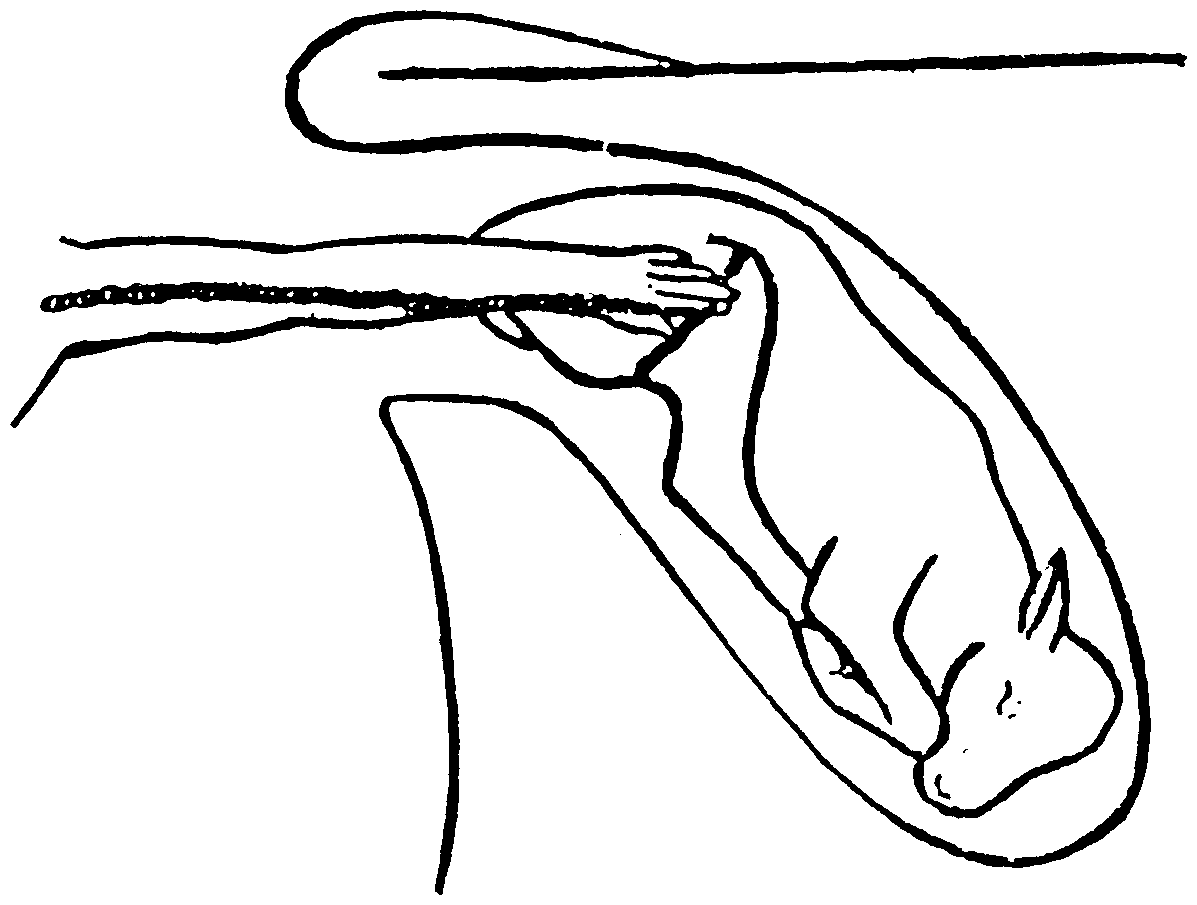
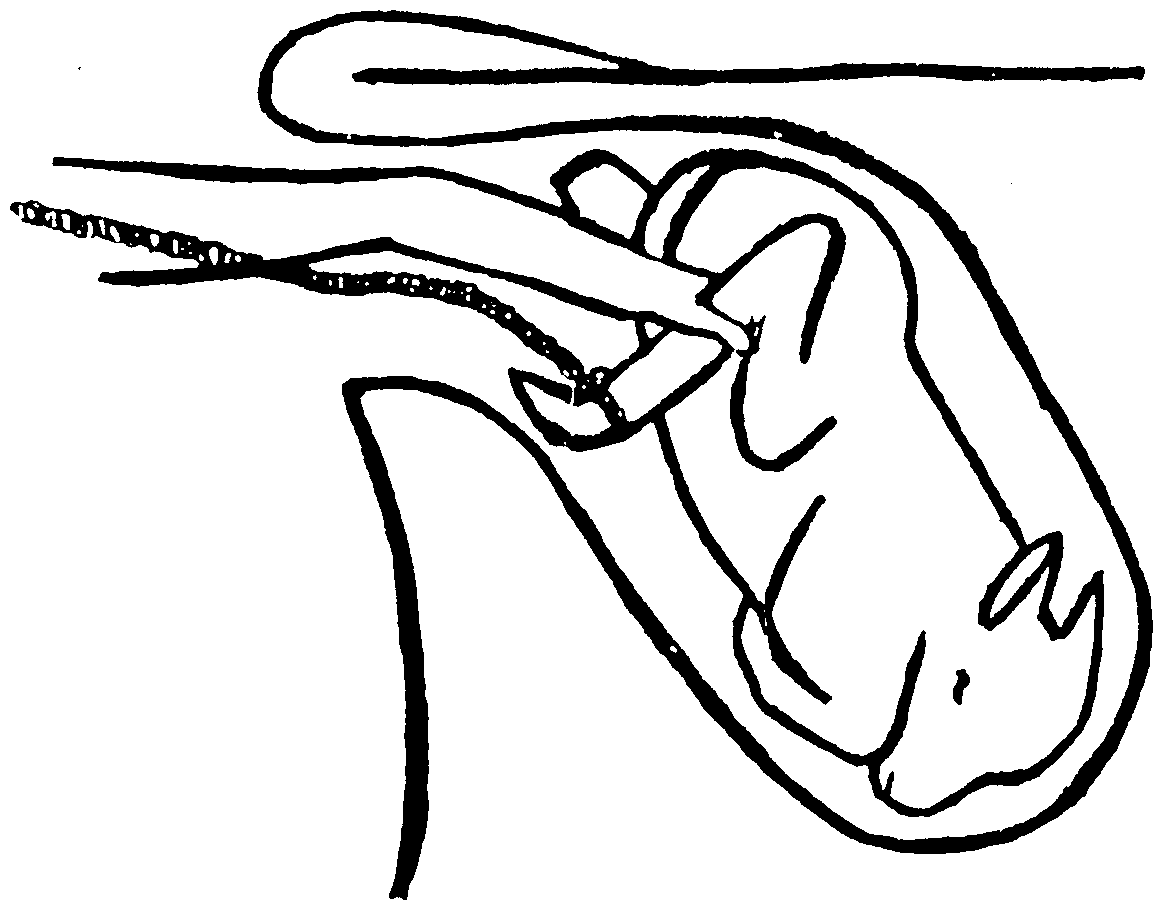
Problem 3. The cervix is closed The cervix may be closed for the following reasons:
It is too soon to give birth.
The cervix was already opened, the mother was unable to deliver the baby, and the cervix then closed (in which case, there is usually a bad odor and discharge from the mother's vulva).
The mother is too weak to push properly (i.e. pushing helps open the cervix).
Treatment: Re-examine in 1-2 hours to determine whether the mother is beginning to dilate If the cervix begins to open (dilate):
Insert your hand into the cervix and apply steady pressure by opening your hand to dilate the cervix completely. This may also stimulate the mother to push.
If the cervix opens by this technique, then apply soap around the baby to make it slippery and pull the baby out. You may need to reposition the baby or attach ropes to pull the baby out.
Give oxytocin to stimulate contractions.
If the cervix does not begin to open:
Insert antibiotics through the cervix (if possible), Give an injection of antibiotics.
Give estrogen (as an injection or tablets).
Wait for the cervix to open over the following week.
Re-examine the mother every 2 days to see if she has dilated, at which time remove dead baby, and treat the mother for a retained placenta.
Problem 4. The uterus is twisted so that it is difficult to put your hand in.
When the uterus itself is twisted, the birth canal cannot open properly. This is called a “uterine torsion” (twisted uterus) and happens most commonly in buffalo and cows, and less commonly in smaller animals.
Signs
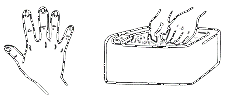
The animal is restless, uncomfortable and straining.
As always, wash your hands and arms with soap.
When you insert your hand into the vagina, it seems narrow and twisted. You may or may not be able to feel the baby.
Treatment
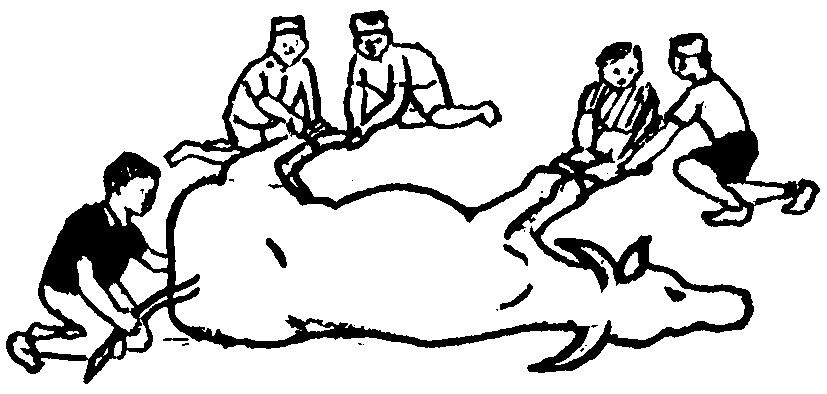
If the cervix is open enough to put your arm in, try to untwist the uterus by grasping the baby and turning it over inside the uterus. This is often difficult to do unless you are very strong. If this does not work, then do the following:
Ask 4-5 strong men to help you.
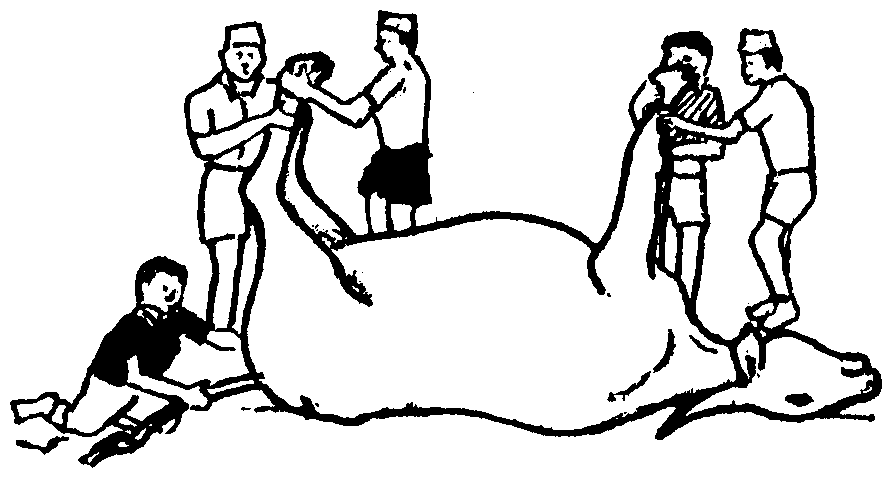
Find a clean, dry, level place to make the mother lie down. If the uterus seems twisted to the right (i.e. clockwise), then gently cast the mother onto her right side. If the uterus seems twisted to the left (i.e. counter-clockwise), then gently cast the mother onto her left side.
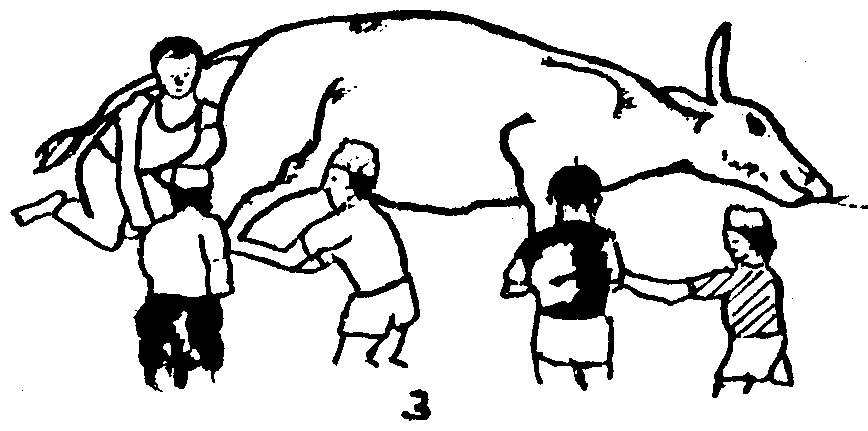
Try to insert your hands gently through the twisted part of the birth canal and grip some part of the baby. While gripping the baby, roll the mother onto her back and then to her other side.
If it is impossible to grip the baby, then place a plank across the mother's abdomen (with one end of the plank on the ground) and roll the mother to her other side while applying pressure to the abdomen with the plank. The plank holds the baby in place while turning the mother, thereby untwisting the uterus.
Caution: If the twist becomes tighter, you probably rolled her in the wrong direction. In this case, keep your hand in, and roll the mother back to her original position. Remove your hand, have the mother lie on her opposite side, and begin again by rolling her in the opposite direction from before. This time the twist should become looser. Once you determine which way to roll the mother so as to untwist the uterus, you may have to repeat the procedure 4 or 5 times until the uterus is completely untwisted.
After the uterus is untwisted and the vagina is straight, the cervix may be somewhat closed. In this case, try to open it with your fingers or wait 1-2 hours for it to open naturally.
Once the cervix is open, make sure the baby is in the right position, or reposition it.
Gently pull the baby out.
Problem 5. The baby is dead and bloated inside the mother This problem causes the uterus to be very weak so that it may easily tear.
Treatment:
Wash your hand and arm and put on a plastic sleeve. Apply soap to make the sleeve slippery.
Check to see if the uterus is already torn. If so, inform the owner, so that you are not blamed for a pre-existing condition. You may want to advise the owner to forego treatment (and slaughter the animal). If the owner wants to try saving the mother, warn the owner before you begin to work of the high risk that the uterus may tear during treatment.
Check the position of the baby. If incorrectly positioned, try to correct it and pull the baby out without tearing the uterus.
If the baby is bloated, carefully try to split the skin of the baby with a sharp knife so that the air comes out. Then try to pull out the intestines, heart, lungs, bones, etc. Sometimes it all comes out in pieces. Caution: Insert the knife cupped in your hand to avoid cutting uterus.
If you still cannot deliver the baby, you may need to do a fetotomy (see next section) which is a technique of cutting up the dead baby while it is still inside the mother and removing the pieces.
Once the baby is removed, flush out the uterus and treat the mother for a retained placenta.
Embryotomy (Fetotomy)
Sometimes you cannot remove a dead baby without first cutting it into pieces. There is a special instrument for this purpose called an embryotome or fetotome. Its purpose is to cut the dead baby into pieces without injuring the mother. It looks like a metal pipe, (or two metal pipes welded together). Fetotomes are not easy to use nor is there one method that works in all situations.
A special wire (embryotomy wire or horn cutting wire) is put through the pipes of the fetotome. The pipes protect the uterus from the wire. The exposed loop wire that comes out of the other end of the fetotome is then looped around the part you want to cut off (e.g. the head). A handle is placed on each end of the wire. As one person holds the fetotome so that pipe ends are tightly against the calf, another person pulls back and forth on the handles, in a sawing action, so that the exposed loop of wire cuts through the calf without damaging the mother's uterus. If you do not have a fetotome, use a single pipe with smooth edges and put the two ends of the wire next to each other in the pipe to accomplish the same thing.
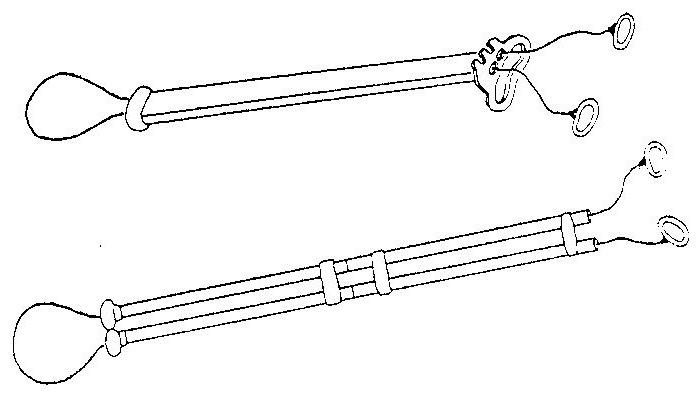
Fetotome Used for Cutting Up Dead Babies Inside the Uterus