Normal Delivery Of The Baby (Or Babies)
10.5 NORMAL DELIVERY OF THE BABY (OR BABIES)
The weeks before delivery During the last few weeks before delivery, the udder enlarges. During the last few days before delivery, the level of progesterone in the blood decreases and the estrogen level increases. This causes the muscles around the vulva to relax. Just before delivery, the mother may act differently. She may be nervous, lie down and get up many times, or look at her side as if it hurts. Her udder may become very large and may even appear swollen. Horses may have a bead of waxy substance at the tip of their teats during the last 24 hours before delivery.
Preparing for the delivery When these signs are seen, the delivery place should be prepared. The delivery place should be quiet, clean, dry, and warm - but not hot. There should be enough space for the mother to lie down comfortably. The delivery place should be nearby the animal keeper so that the mother can be monitored. The mother’s hair and udder should be clean, and she should be untied so that she can lie down comfortably.
When labor begins When labor begins, the hormone called oxytocin begins contracting the uterus and usually the mother begins pushing. Both activities help to open (dilate) the cervix so that the baby (or babies) can be born. During labor, the fluid-filled sack around the baby breaks and fluid rushes out, making the birth canal slippery.
Time Required: The cervix should open within an hour of the time the mother begins pushing. The baby cannot come out until after the cervix opens. Labor usually lasts 2 to 3 hours from the time the mother begins to push until the baby is born. If labor lasts more than 8 hours and someone does not intervene, the baby (or babies) may die. If labor lasts more than 24 hours, the mother may die also. If labor continues beyond 48 hours and the mother does not die, the dead baby (or babies) will begin to bloat. At this point, delivery will be very difficult and the uterus may tear, in which case, the mother will probably die.
Position:
In animals that have only one baby at a time (such as cows, buffalo, sheep, goats, horses, yaks, llamas, and camels), the mother can normally deliver a baby only if it is in one of following two positions:
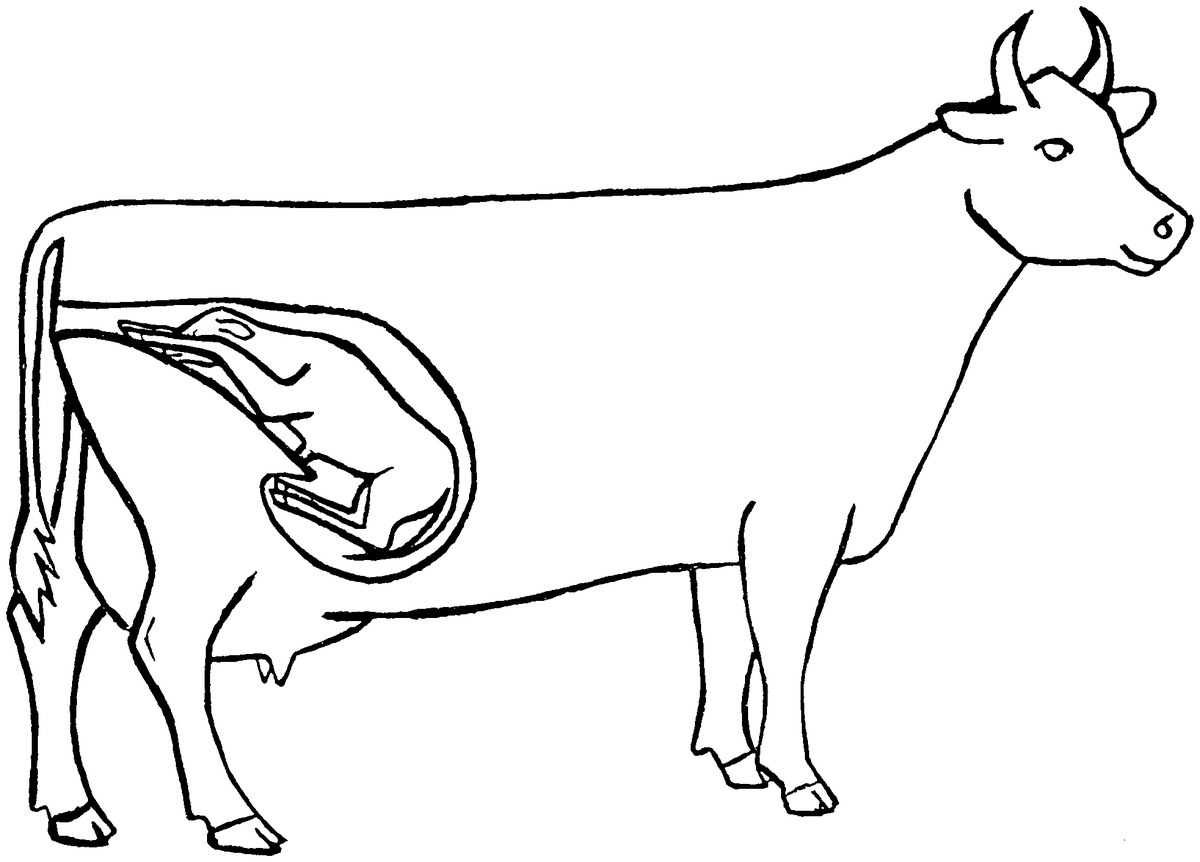
1. With the 2 front feet and the head coming out at the same time; or
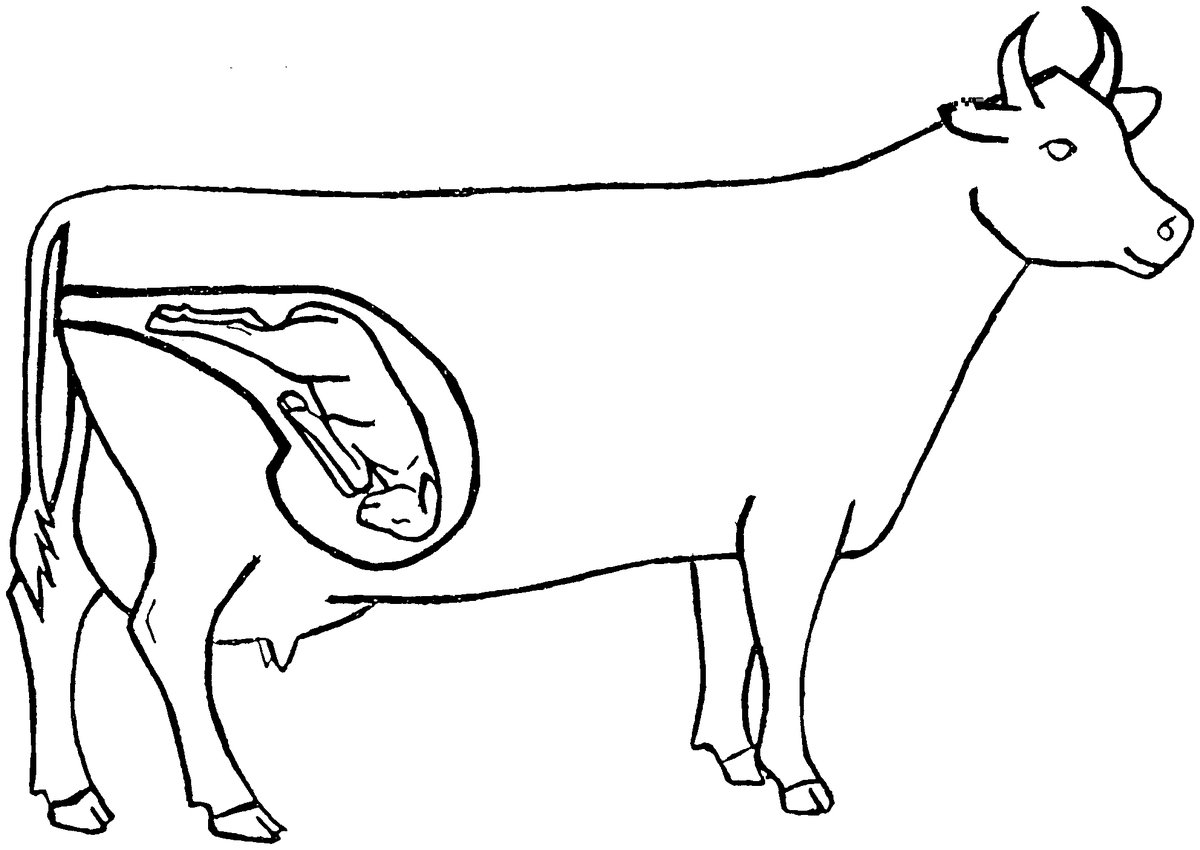
2. With the 2 hind feet and the tail coming out at the same time.
If the baby is not in one of these two positions, the AHA must reposition it.
In animals that have a number of babies at one time (such as pigs, rabbits, dogs and cats), the position of the baby’s head, legs and tail is not as critical. However, if the baby is turned sideways in the uterus, the AHA must reposition it. In addition, the uterus must squeeze (contract) to push the babies towards the cervix. If the uterus does not contract properly, the birth of the babies may be delayed and oxytocin may be needed to make the uterus contract. In pigs, if there is a delay between births of more than 30-60 minutes, the AHA should rub the mother's teats (causing a natural release of oxytocin into the mother pig's body), or give her an injection of oxytocin. See page 213.