Digestibility
25.4 DIGESTIBILITY
Digestion is when the body breaks food down into smaller particles, which are taken into the blood and sent throughout the body. These substances contain the five major nutrients used by the body for growth, maintenance, and production.
Some feeds are difficult to break down into smaller particles, while other feeds are more easily broken down. The technical word for this concept is digestibility. The more digestible a food is, the more easily it is broken down into basic nutrients that the body can use. Food with much fiber, such as old, dry forage or straw, is less digestible.
Why is this important to know? An animal might eat a large quantity of food but continue to lose weight. This may be because the food is rough, old forage that is not very digestible. Most of it is not used, and instead passes out of the animal's body as manure.
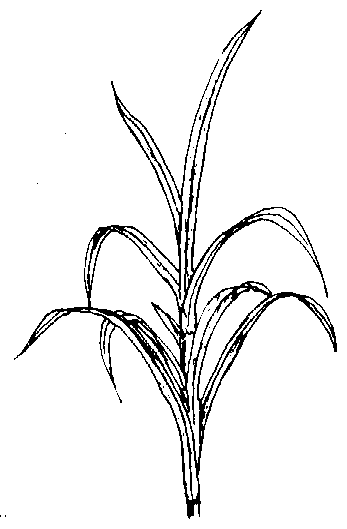
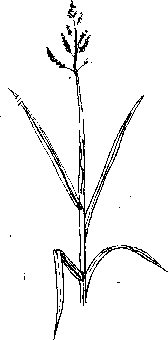
Digestibility of Grasses: In general, forage is most nutritious and digestible if it is cut for food before, or just when, it begins to flower. Before grass flowers, it is easily digestible by grass-eaters and has more vitamins. However, after it flowers, the plant begins to dry up, becomes less digestible and loses its vitamins. The easily digestible components are replaced by less digestible substances, such as “lignin.”
| Forages are most digestible if they are cut before, or just when, they begin to flower. |
Therefore, forages should be fed before becoming too mature. If fed at the proper time, they provide most nutrients (except for salt) needed by a grass-eating animal. Note: Even for making hay, forages should be cut when still green and tender to make the most nutritious and tasty hay.