Hydatid Tapeworm
22.2 Hydatid Tapeworm Echinococcus granulosis is a tapeworm in which the adult worm is found in the dog’s intestines, even though it does not make dogs sick. The tapeworm lays eggs which pass out in the dog's feces. If these eggs are eaten by grazing sheep/goats, pigs, buffalo, or cattle, then cysts will develop in these animals. People also become infected by accidentally contacting dog feces, and then touching their hands to their mouth.
Hydatid Cyst / Hydatidosis
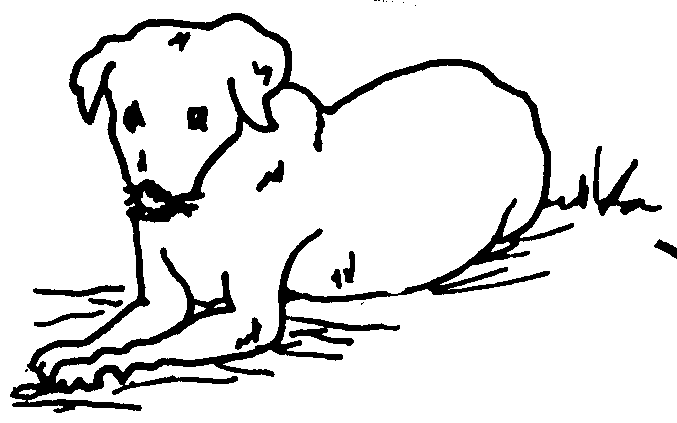
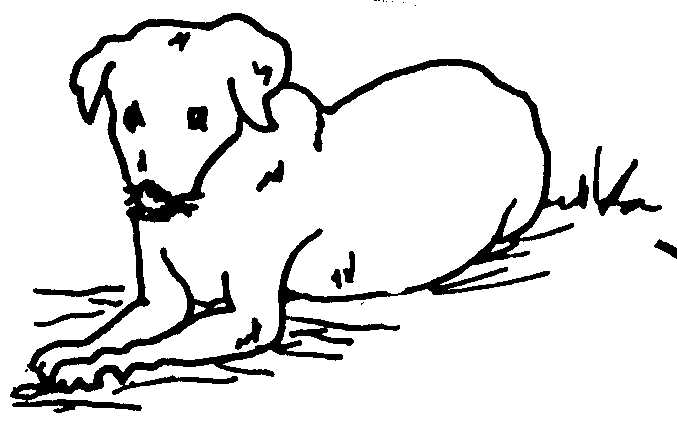
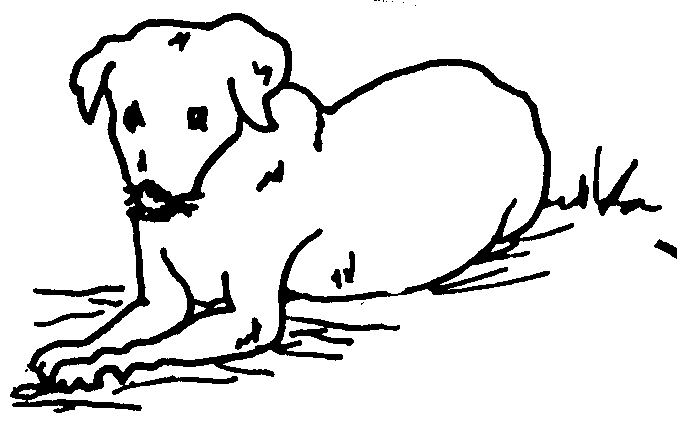
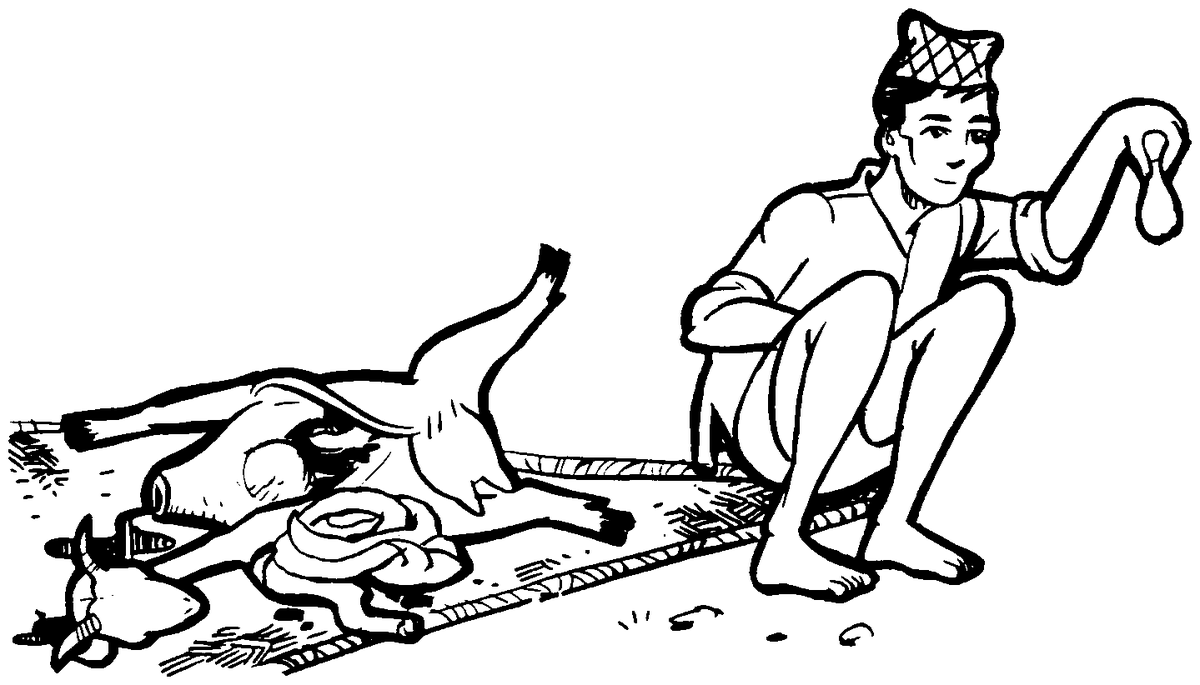
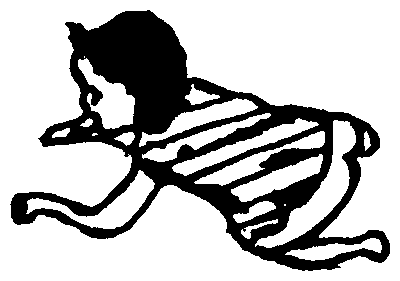

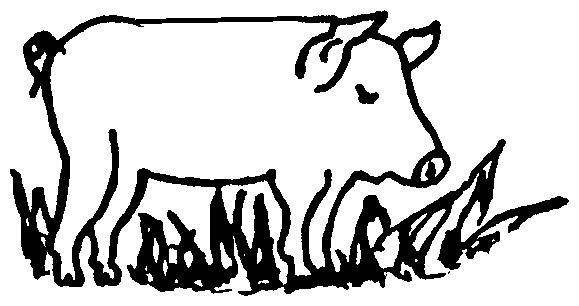
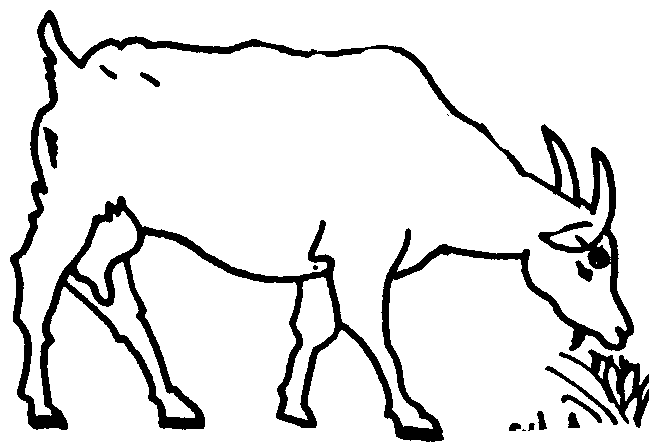
These cysts can grow large and destroy the tissues around them. For instance, a person may suffer from lung or liver disease. X-rays are taken which show large cysts in or near the lung or liver. At this time a difficult surgery is required to remove the cyst and to save the life of the patient. This disease continues in nature when animals with cysts are killed for meat. If these cysts are discarded and a dog eats them, the cycle starts all over again.
These cysts are a major public health problem in some countries. This condition is referred to as “hydatidosis”, echinococcosis or hydatid cyst disease. Hydatidosis is most commonly seen in areas where shepherds keep close contact with sheep, and where they also have close contact with dogs.
Symptoms/Diagnosis The symptoms in people depend upon the location of the cysts (often in lungs, liver or brain). Diagnosis can be made with x-rays and a history of the disease in the area.
Treatment Surgery is the most common treatment. Some new parasite medicines also seem to work.
Prevention/Control Several methods are available to control this disease:
People should wash their hands after handling dogs or dog feces.
Regularly treat dogs with medicine for tapeworms. This will prevent the spread of tapeworm eggs or segments in the dogs' feces. Praziquantel is a new medicine that is safe and effective and should be given every 6 weeks. However, it does not kill the eggs in the stools. Therefore, the stools following the first treatment must be disposed of carefully.
When livestock are slaughtered, the cysts must not be fed to dogs. They must be buried or burned.