Dehydration: Water Deficiency
21.1.2 Dehydration: Water Deficiency Water is the most important nutrient and makes up about 50% of the animal’s weight. The water in the body is mixed with sodium chloride (salt), and other minerals (also called “electrolytes) such as potassium and calcium. When the body loses water (e.g. from diarrhea, vomiting, sweat), it also loses some of these good minerals, or they become out of balance with each other. This imbalance may cause problems with the functioning of the body’s cells, blood flow, the heart beat and the kidneys. If the kidneys fail to function, wastes build up in the blood. The animal then develops signs of toxemia, becomes unconscious, and dies. A heart that beats abnormally may result in death also.
Some animals obtain water through the forage they eat. However, most animals must also drink water to survive. Sick animals, mother animals that are giving milk and baby animals especially need fresh, clean drinking water.
Symptoms of Dehydration:
Dry mouth and nose.
Lethargy.
Dark urine or decreased urine production.
When a fold of skin is pinched and then released, the skin does not return quickly into place (i.e. it’s not “elastic”). See page 49.
Sunk in eyeballs (a sign of severe dehydration).
Diagnosis: Based on symptoms.
Treatment:
The main treatment for dehydration is water. However, some body minerals may have been lost in the diarrhea or sweat. Oral Rehydration Solution (ORS) helps to replace these minerals and restore the dehydrated animal to health. If ORS is not available, give plain, clean water.
ORS packets for Small Animals



In many countries, inexpensive “Oral Rehydration Salt Solution” (ORS) packets are usually available for humans (at health posts or pharmacies). Some countries make their own packets. Other countries obtain packets supplied by UNICEF which is marked in big letters on the packets. These ORS packets can be used for animals. Prepare it according the instructions. Usually empty the contents of the packet into a liter of fresh, clean water.
Warning!! Never mix the ORS without enough water. Making it too concentrated may worsen the animal’s condition.
HOMEMADE SOLUTION (especially for large animals)
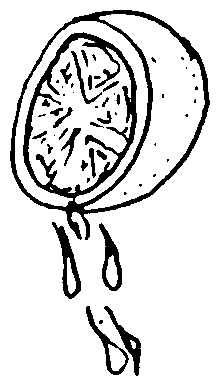
If ORS packets are not available, ORS can be prepared by mixing two tablespoons of sugar and one teaspoon of salt in a liter of clean water. If possible, squeeze several drops of lime or lemon juice (to provide potassium) into the solution.
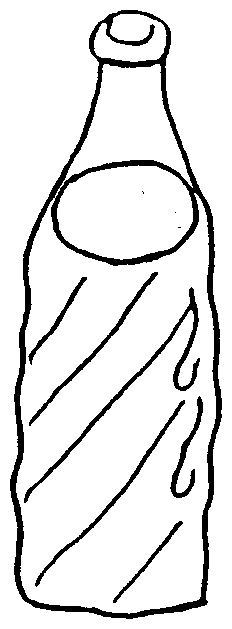
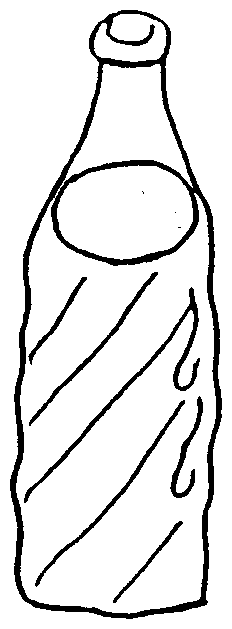
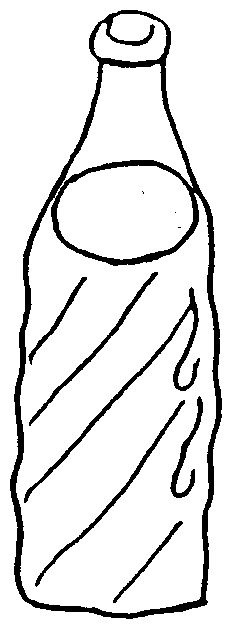
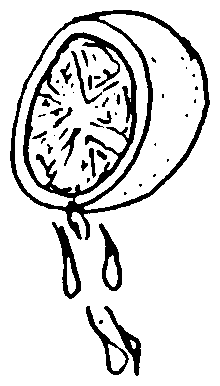
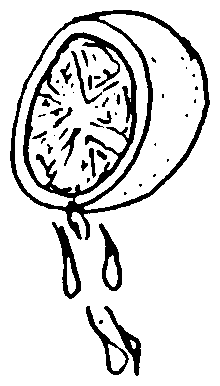
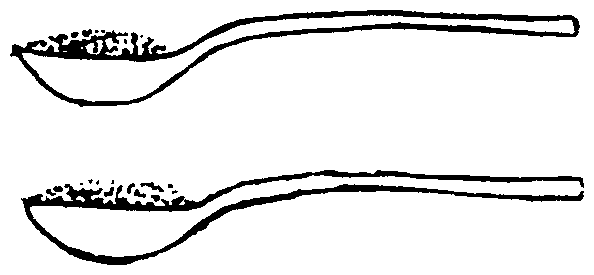
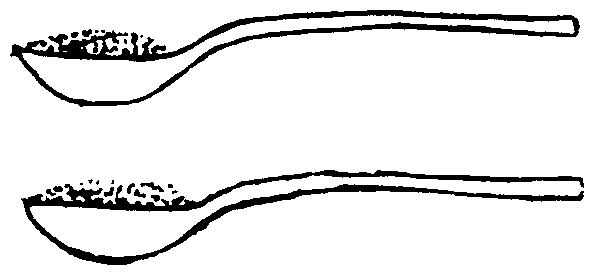
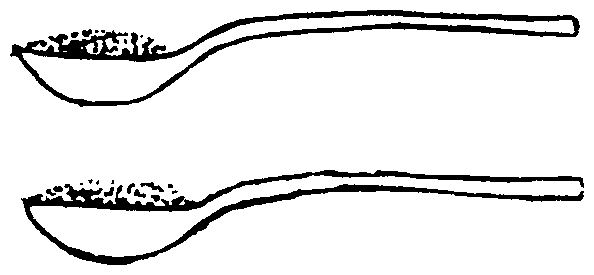

Ways to improve homemade ORS If rice flour is available, use 2 tablespoons instead of sugar. Rice flour is usually less expensive, provides some energy and helps thicken the diarrhea.
If sodium bicarbonate (baking powder) is available, replace the teaspoon of salt with 1/2 teaspoon of bicarbonate and 1/2 teaspoon of salt.
Amount of Fluid to Give How much ORS should be given? In theory, the animal should be given at least as much ORS as the quantity of its diarrhea.
| The more severe the diarrhea, the more ORS should be given. |
How to Give the Fluids If the animal is too weak to drink, then it must be force fed. Small animals or babies (e.g. kids or lambs) can be fed the fluid slowly. Use a small spoon or syringe (without the needle) allowing the animal time to swallow. A dehydrated animal is often weak and must be handled gently. The fluid should be given slowly, allowing the animal time to swallow. Larger animals can be force fed the fluids using a stomach tube. See page 66.
IV fluids may also be given by someone who knows how. IV fluids should be given slowly while at the same time monitoring the heart for irregular beats. If the heart begins beating irregularly, then stop giving the fluids. Begin again slowly once the heart beats normally.
Prevention of Dehydration:
When an animal has diarrhea, begin giving water or ORS immediately (i.e. don't wait until the animal is dehydrated).
Help sick or weak animals to drink.
Supply clean, fresh water for animals to drink.