Common Toxicities and Poisonings
17.1.3 Common Toxicities and Poisonings Summary The word “toxicity” is the same as a poisoning. It means that an animal has taken into its body a certain substance than it cannot handle (i.e. a poison), resulting in harmful, or “toxic” effects in the body. Some substances are not toxic in small quantities, but only at larger doses. A toxin in the blood is called “toxemia.” The symptoms of toxicity vary depending upon the type of toxic substance taken into the body. It is beyond the scope of this book to review all toxicities, but some of the most common ones are included in the chapters related to the system affected. The most important thing to do when you suspect toxicity is to take a careful history. Examine the area where the animal has been (for toxic plants, rat poisons, etc.), verify the food, water, and any medications it has received (including the quantity or dose). Ask if there are other animals in the area with the same symptoms. Conduct a thorough examination of the affected animal.
Examples of different types of toxicities:
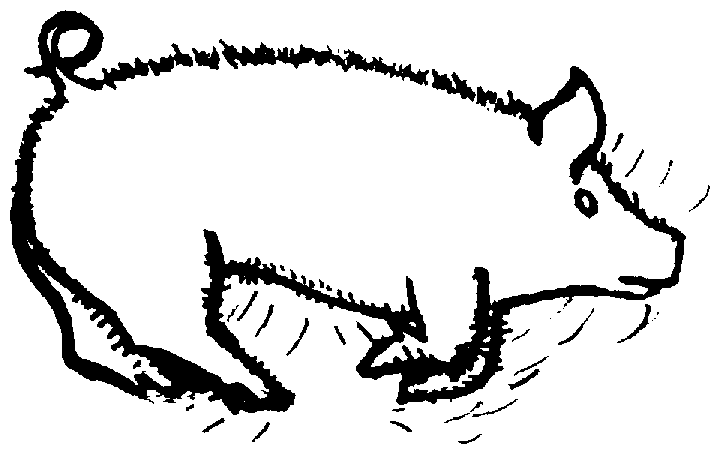
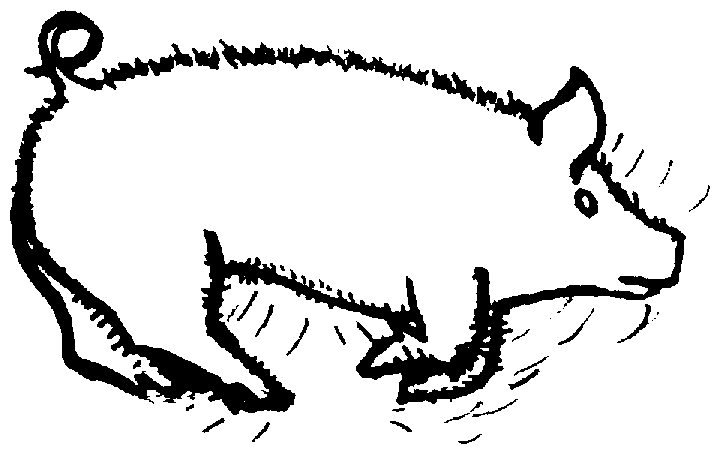
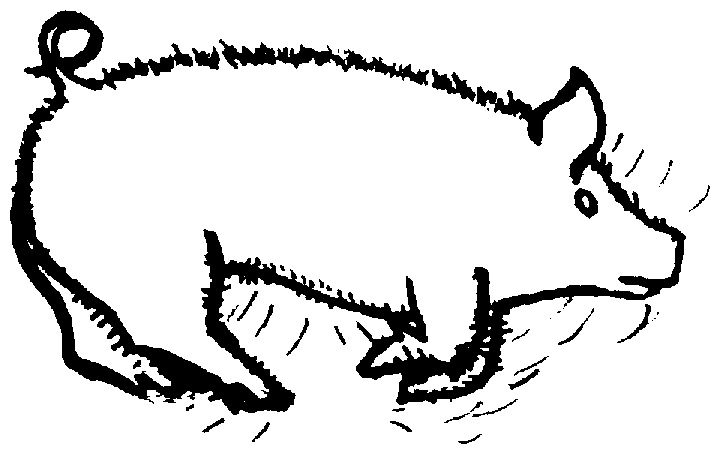
Salt poisoning is a condition found most commonly in pigs. Normally, the body needs salt to stay healthy. However, if the pig does not receive enough water while eating a normal amount of salt in its diet, the salt actually begins to act like a poison in the body because it becomes too concentrated. The pig trembles, has convulsions, and may even die. See pages 55, 269,313.
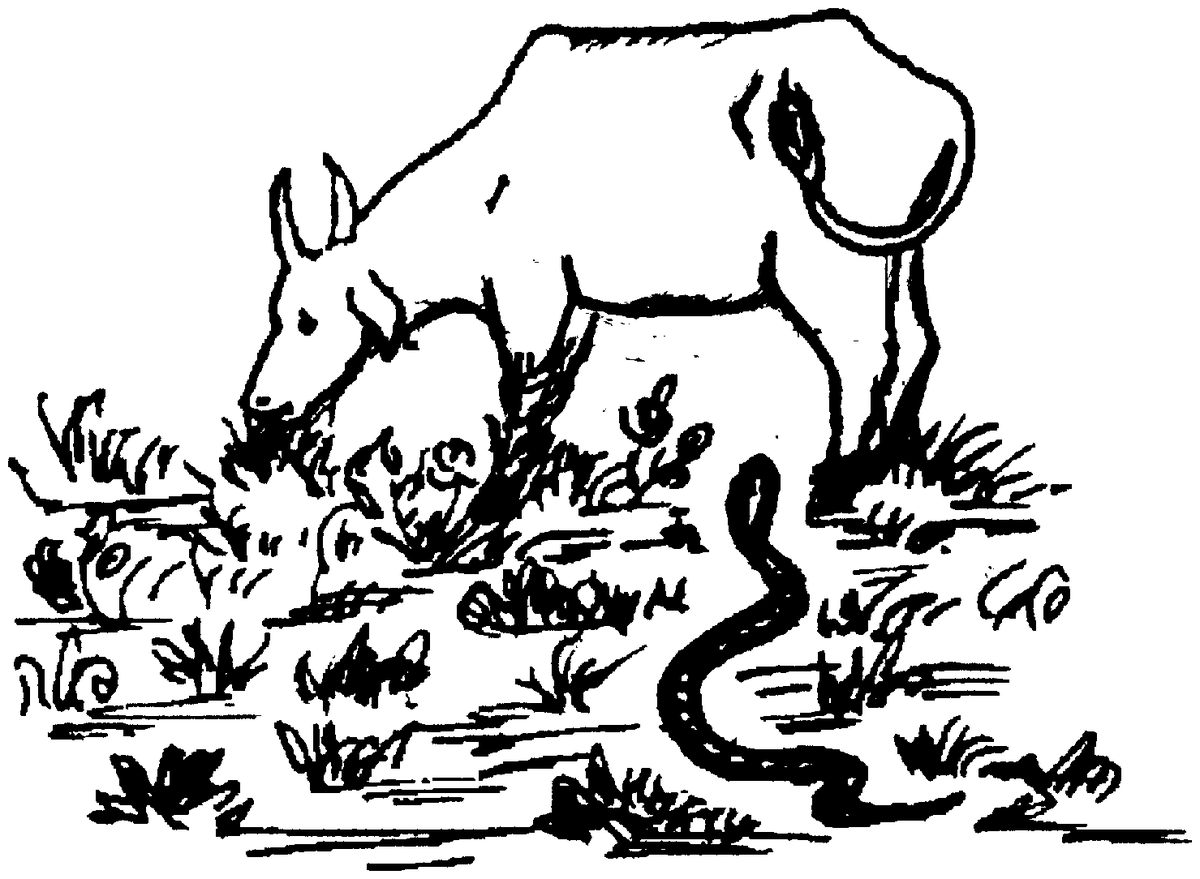
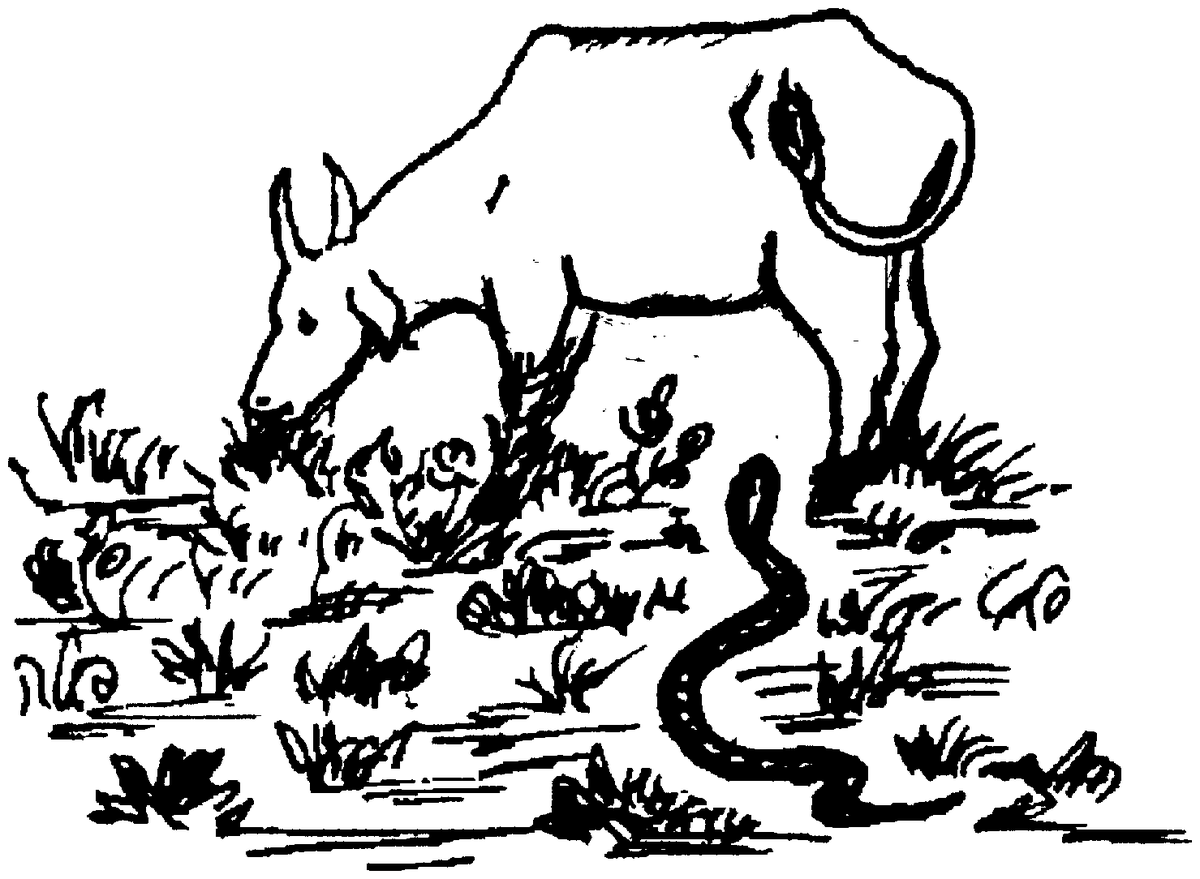
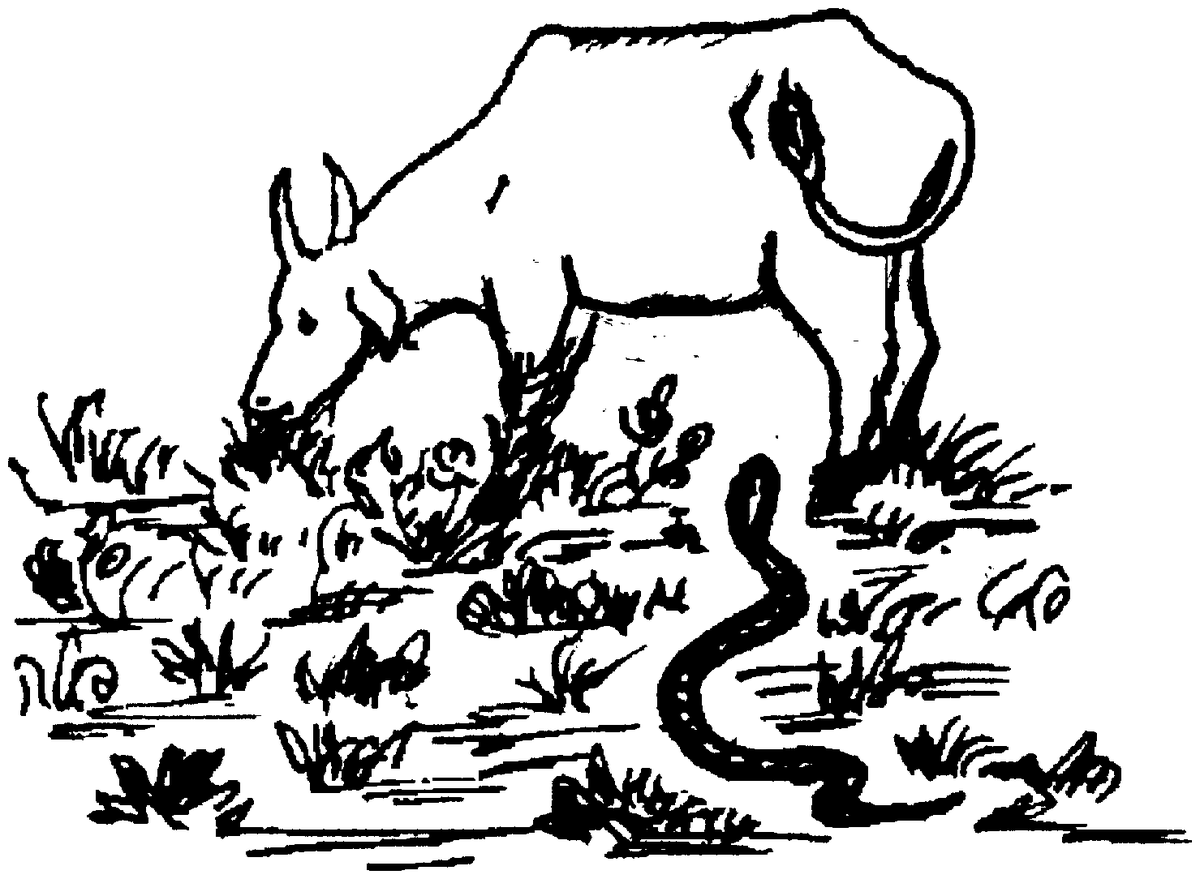
Snake-bite poisoning is a different kind of toxicity. The poison from snakes, even in small amounts, causes harmful effects in the body.
Toxemia is a condition resulting from various diseases like hemorrhagic septicemia, metritis, mastitis and navel infections. The bacteria make toxins that travel in the blood and act like a poison to the body. These toxins affect many different organs and the animal can become very sick in several different systems at the same time. This is a very serious condition that often results in death.
67 Common Toxicities and Poisoning In Livestock Livestock commonly suffer from poisonings due to:
Eating too much rich food (grain overload) See page 185.
Eating poisons (plants and others) See page 80.
Snake and insect bites See page 82.
Touching or eating some kinds of insecticides See page 83.
Eating mineral mixes, or salty food, without enough water See page 55.
Toxemia from infectious diseases like hemorrhagic septicemia, metritis, mastitis, navel infections, etc. See page 267.