Crusty Spots
14.10 Crusty Spots Several disease conditions can cause crusty spots and sores on the skin of livestock.
Warts Warts are dry, crusty bumps that occur on the skin, mainly in younger animals, and are caused by a virus. They are seen most often in cattle, horses, dogs, and occasionally rabbits.
Most animals develop resistance to the wart virus with increasing age and the warts eventually disappear on their own. Sometimes the resistance fades away and the animal gets warts again. However, resistance will then develop again and the warts will disappear.
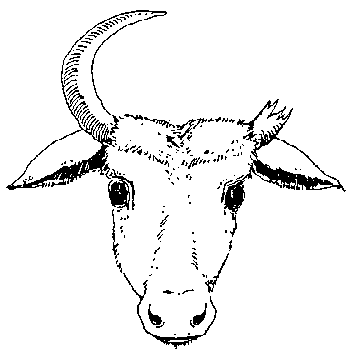
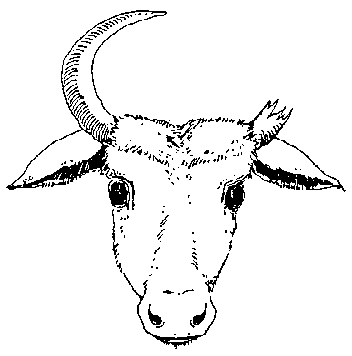
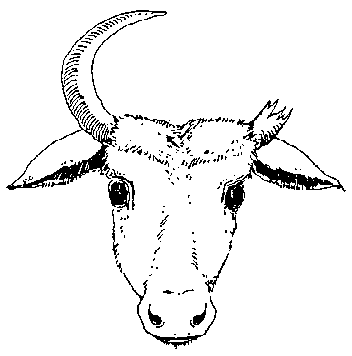
Cattle: Warts usually appear on the head, neck, shoulders, ears and sometimes on the belly or back. Warts might also appear on the penis of young bulls and the vulvas of young cows which may interfere with breeding.
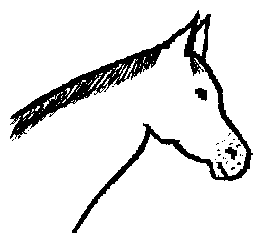
Horses: Warts usually appear on the nose and lips, and disappear after a few weeks.
Dogs: Dogs get two kinds of warts. One kind appears in the mouth and often results in infections of the mouth. The other is exterior and looks like warts on cattle.
Treatment / Control of Warts: This disease gets well on its own. No treatment is necessary. Try to control the disease by keeping animals infected with warts separate from other animals.
Pox Pox is the word used to describe a group of diseases that produce bumps in the skin and eventually scab-covered, crusty sores. These diseases are caused by viruses that are spread directly from animal to animal, and sometimes indirectly by insects.
Cattlepox: Two different kinds of pox affect cattle.
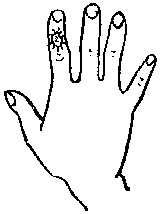
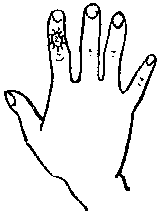
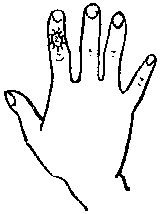
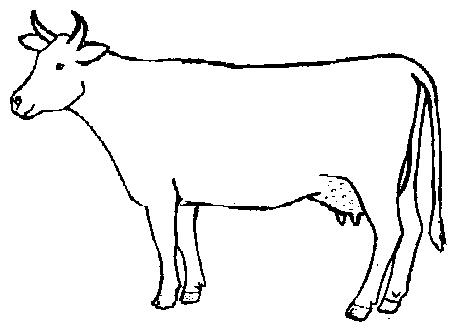
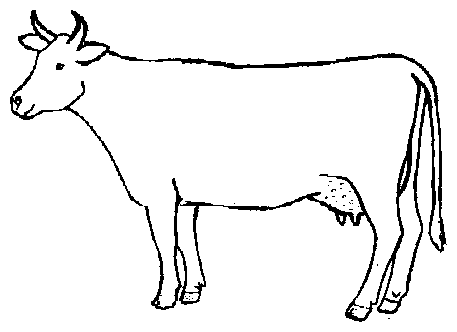
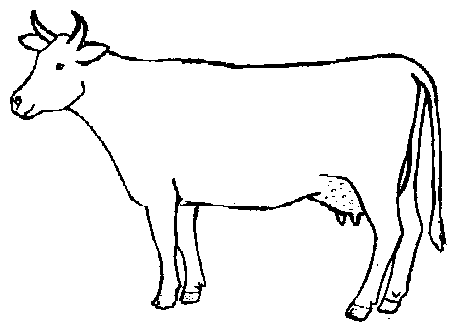
One is more serious than the other but both of them cause sores on the udder and teats. These sores are painful, and milking becomes very difficult. The sores heal without treatment but it may take 1 or 2 months. People can also become infected by milking cattle which have open sores. However, people also recover on their own.
A similar virus causes lumps in the skin and in the lining of the digestive system, the respiratory system, and the reproductive system. This disease is called “lumpy skin disease.” The lumps often fall off and the area underneath may become infected (which eventually heals).
Sheep pox and Goat pox: These are two similar diseases caused by viruses. The symptoms in goats are not as serious as in sheep.
Symptoms: The eyelids become swollen; pus and mucus come from the nostrils; and crusty sores develop on the nose, ears, and other areas which are free of long hair or wool. When the scab is removed from these sores, a “star-shaped” scar remains.
Treatment: None except supportive care. Most animals recover on their own.
Prevention and Control: Vaccines are available in some countries.
Swine pox: This is a mild disease causing crusty sores on the skin of pigs. Later the scabs drop off and the pigs look “spotted.” Most pigs recover easily without treatment.
Prevention and Control: Controlling lice is important to prevent the spread of this disease.
Sore-mouth (Contagious Ecthyma)
This is a similar disease but causes sores mainly around the mouth. It can affect the ability of the animal to eat.
Ringworm This contagious skin disease is caused by a fungus and causes dry, crusty sores. See page 123.